
The Sunday Scaries Are Starting Earlier: How to Help Your Teen With Back-to-School Anxiety
The Sunday Scaries Are Starting Earlier: How to Help Your Teen With Back-to-School Anxiety
Carly Wolfram, Licensed Clinical Professional Counselor (LCPC), Doctoral CandidateThe Sunday Scaries Are Starting Earlier: How to Help Your Teen With Back-to-School Anxiety explores why school-related anxiety can begin weeks before the first day and how it may appear as irritability, avoidance, sleep problems, headaches, stomachaches, or withdrawal. The article helps parents recognize anxiety signals, validate their teen’s fears without reinforcing school avoidance, and create a practical back-to-school coping plan. Prospering Minds Counseling supports teens and families experiencing anxiety, panic, academic stress, social concerns, and difficult school transitions.
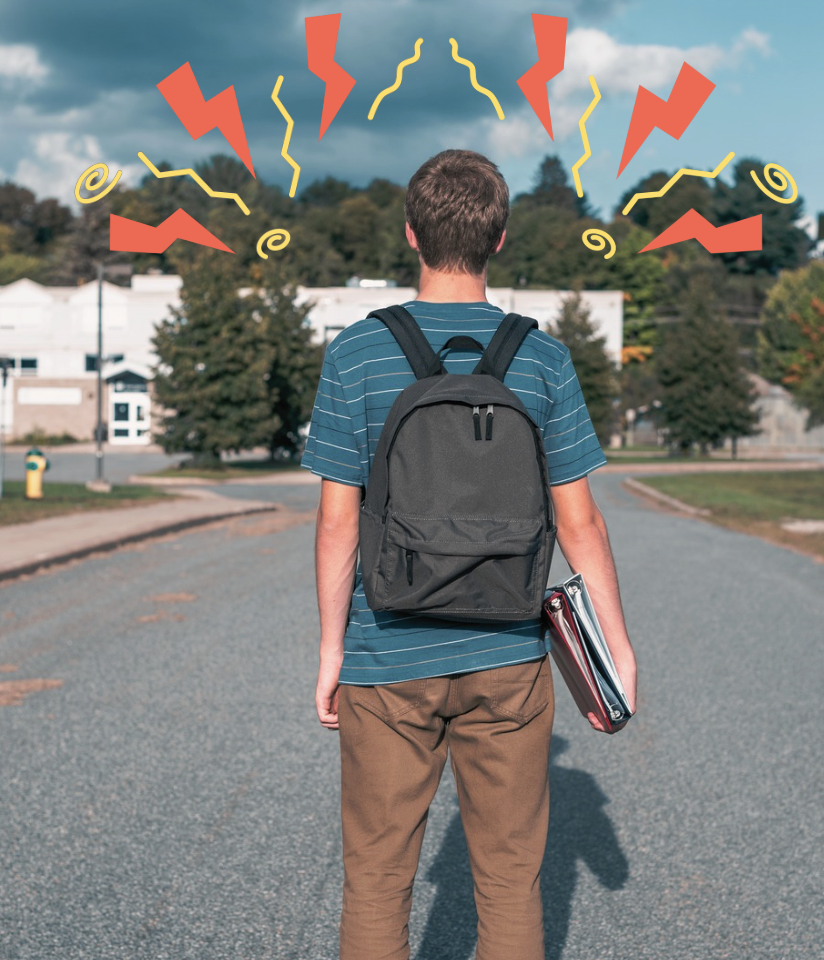
The Sunday scaries are not always limited to Sunday.
For many teens, back-to-school anxiety begins days or even weeks before the first bell rings. A shopping trip for school supplies may trigger irritability. A reminder about class schedules may lead to silence, snapping, or tears. Sleep may become disrupted. Stomachaches may return. Your teen may suddenly seem withdrawn, unmotivated, or determined to avoid talking about school altogether.
Parents may find themselves thinking:
“They have not even started yet.”
“Why are they already so overwhelmed?”
“What if this becomes another difficult school year?”
Back-to-school anxiety is not always a reaction to something that is happening in the present. It can also be a response to what your teen expects might happen based on previous experiences.
Perhaps last year involved bullying, academic pressure, friendship conflict, panic attacks, sensory overload, missed assignments, social rejection, or difficulty getting support from teachers. Even if this year will be different, your teen’s nervous system may already be preparing for the same pain.
The goal is not to convince your teen that there is nothing to fear. The goal is to help them feel understood, supported, and capable of facing what comes next.
Why Back-to-School Anxiety Begins Before the First Day
Anticipatory anxiety occurs when the brain begins reacting to a future situation before it happens.
For teens, the return to school can involve many unknowns:
Will I know anyone in my classes?
What if I cannot keep up with the work?
What if people judge how I look?
Who will I sit with at lunch?
What if I have a panic attack?
What if my teachers do not understand me?
What if this year is just as bad as last year?
Even positive changes can create anxiety. A new school, advanced classes, a different schedule, sports tryouts, or greater independence may bring excitement and fear at the same time.
Adolescence is also a period when peer relationships, identity, belonging, and social evaluation can feel especially intense. A situation that seems manageable to an adult may feel deeply threatening to a teen who is worried about embarrassment, rejection, or losing control in front of others.
If your teen has ADHD, autism, anxiety, depression, trauma, learning differences, or a history of difficult school experiences, the transition may feel even more demanding. The brain is not only preparing for academics. It may also be preparing for crowded hallways, changing routines, social expectations, sensory input, and constant performance demands.
This is why anxiety may begin well before the first day. The body may start responding as soon as school feels close enough to imagine.
Anxiety Does Not Always Look Like Worry
Some teens will say, “I am anxious about school.”
Many will not.
Anxiety can appear as irritability, anger, avoidance, procrastination, withdrawal, perfectionism, or exhaustion. A teen who seems uncooperative may actually feel overwhelmed and unsure how to explain it.
You may notice that your teen:
Becomes defensive when school is mentioned
Refuses to shop for supplies or prepare their schedule
Stays up late and sleeps through the day
Spends more time alone
Becomes unusually argumentative
Avoids friends or activities
Insists they do not care about school
Becomes intensely focused on grades, clothing, or appearance
Says they are too tired or unmotivated to do anything
- Wants repeated reassurance that everything will be okay
Anxiety can also look like perfectionism. Your teen may spend excessive time trying to prepare for every possible problem, become upset when plans change, or feel that anything less than a perfect start means the entire year will go badly.
Other teens cope by emotionally distancing themselves from school. Saying “I do not care” can feel safer than admitting, “I am scared that I will fail,” or “I do not think I can handle this again.”
Before assuming your teen is being lazy, dramatic, or oppositional, consider whether their behavior may be communicating distress.
When Stomachaches and Headaches Are Stress Signals
Anxiety is not only experienced in thoughts. It also affects the body.
The nervous system can respond to anticipated stress with muscle tension, nausea, headaches, stomachaches, dizziness, fatigue, changes in appetite, rapid heartbeat, or difficulty sleeping. Your teen may not recognize these sensations as anxiety, especially if the physical discomfort feels intense or appears without a clear trigger.
You may notice symptoms become worse:
The night before school
When discussing class schedules
Before orientation or registration
After seeing school-related social media
When shopping for clothing or supplies
During the morning routine
Before tests, presentations, or social events
Physical symptoms should not automatically be dismissed as “just anxiety.” New, severe, persistent, or concerning symptoms deserve medical attention. However, when symptoms repeatedly appear around school-related stress, it may be helpful to consider whether anxiety is playing a role.
Telling a teen, “There is nothing wrong with you,” or “It is all in your head,” can make them feel misunderstood. The pain is real, even when stress is contributing to it.
A more supportive response might be:
“Your stomach really does hurt. Sometimes stress can affect the body, so let’s figure out what your body may be reacting to and what might help.”
This acknowledges the physical experience without assuming catastrophe or ignoring the emotional context.
Validate the Fear Without Reinforcing Avoidance
Parents often feel caught between two difficult options: pushing too hard or allowing anxiety to take over.
You may want to reassure your teen by saying:
“You will be fine.”
“There is nothing to worry about.”
“You are overthinking this.”
While these statements are usually intended to comfort, they may unintentionally communicate that your teen’s fear does not make sense.
Validation does not mean agreeing that the worst-case scenario will happen. It means recognizing that the feeling is understandable.
You might say:
“It makes sense that you are nervous after how hard last year was.”
“There are a lot of unknowns right now.”
“I can see that this feels overwhelming.”
“We do not have to solve the whole school year tonight.”
At the same time, validation does not require removing every uncomfortable situation.
Avoidance can provide immediate relief, but repeated avoidance often strengthens anxiety over time. If your teen avoids orientation, refuses to view their schedule, or stays home each time anxiety rises, their brain may learn that the situation was too dangerous to face.
The goal is to offer support while gently helping your teen move toward the feared situation in manageable steps.
For example, instead of forcing your teen to attend an entire orientation alone, you might walk through the building together, meet one staff member, or identify a quiet place they can use if they become overwhelmed.
Support says, “You do not have to do this alone.”
Avoidance says, “You cannot handle this.”
The difference often lies in whether help is increasing your teen’s ability to participate or helping them escape participation entirely.
Help Your Teen Create a Back-to-School Coping Plan

Anxiety often becomes more manageable when a teen knows what they can do if something becomes difficult.
A coping plan does not need to eliminate every possible problem. It should help your teen feel more prepared, connected, and capable of responding.
Start by asking open-ended questions:
What part of going back feels hardest?
Is there something specific you are worried will happen?
What made school difficult last year?
What helped, even a little?
Who at school feels safe or approachable?
What would make the first week feel more manageable?
Try not to immediately offer solutions. Your teen may need to feel heard before they can think about planning.
Together, you can build a plan that includes:
A predictable morning routine
Prepare clothing, meals, transportation, and school materials in advance when possible. Predictability reduces the number of decisions your teen has to make while already anxious.
A school support person
Identify a counselor, social worker, teacher, nurse, coach, case manager, or administrator your teen can approach. Knowing who to contact may reduce the fear of becoming overwhelmed without help.
A plan for physical symptoms
Discuss what your teen can do if they experience nausea, headaches, panic symptoms, or dizziness. This might include using paced breathing, getting water, visiting the nurse, eating a small snack, using grounding skills, or taking a brief break.
A manageable goal for the first week
The goal does not have to be “feel confident” or “have a perfect week.” It may be attending each day, introducing themselves to one teacher, sitting through one difficult class, or asking for help once.
A decompression routine
Teens may need time after school to recover from social, academic, and sensory demands. Consider building in quiet time, food, movement, music, or another low-pressure activity before asking detailed questions about the day.
A plan for communication
Some teens do not want to discuss school immediately. Agree on a time and format that feels manageable. A brief evening check-in may work better than questions as soon as they enter the car.
You might ask:
“Do you want me to listen, help you solve it, or give you some space?”
This helps your teen identify the kind of support they need.
The plan should be flexible. What helps before school starts may need to change once your teen understands their schedule, teachers, workload, and social environment.
How Prospering Minds Counseling Can Help You
Back-to-school anxiety can affect the entire family. Parents may feel helpless, frustrated, worried, or unsure whether to push, reassure, accommodate, or step back.
At Prospering Minds Counseling, our therapists can help teens and families understand what is driving school-related anxiety and develop practical strategies for managing it.
Therapy may help your teen:
Identify school-related fears and triggers
Recognize how anxiety appears in their thoughts, body, and behavior
Develop coping skills for panic, overwhelm, and physical symptoms
Build confidence in handling uncertainty
Reduce avoidance in gradual, manageable ways
Strengthen emotional regulation and communication skills
Address bullying, social anxiety, perfectionism, trauma, or academic stress
Create a personalized plan for returning to school
Therapy may also help parents learn how to validate anxiety without reinforcing avoidance, respond to physical complaints compassionately, and communicate more effectively during stressful transitions.
Your teen does not need to wait until they are refusing school, experiencing frequent panic attacks, or falling behind academically before receiving support. Early intervention can help reduce distress and make the transition feel more manageable.
To learn more or schedule an appointment with Prospering Minds Counseling, call 708-680-7486 or email intake@prosperingmc.com.
Back-to-school anxiety does not mean your teen is incapable of handling the year ahead. It may mean they need additional safety, preparation, and support while they learn that fear can be present without making every decision.
