
Prospering Minds Counseling Blog
helping you prosper
The Prospering Minds Counseling Blog provides accessible, evidence-based mental health education to support individuals and families in understanding emotional wellness. We break down complex topics into practical insights that empower growth, resilience, and self-awareness. Our goal is to reduce stigma and offer trusted guidance as we continue helping you prosper.


When Life Gives You Lemons: You Don’t Always Have to Make Lemonade
When Life Gives You Lemons: You Don’t Always Have to Make Lemonade explores why healing does not require constant positivity or immediately finding a silver lining after painful experiences. The article explains toxic positivity, Radical Acceptance, validation, resilience, and post-traumatic growth while offering a compassionate perspective on grief, trauma, and emotional healing. Readers will learn how to accept difficult realities without giving up hope, why validation comes before problem-solving, and how to find meaning at their own pace. Prospering Minds Counseling supports individuals navigating grief, trauma, depression, anxiety, and major life transitions.

What Is Play Therapy? A Parent’s Guide
What Is Play Therapy? A Parent’s Guide to Understanding How Children Heal Through Play helps parents understand how play therapy supports children’s emotional, behavioral, and social development. The article explains why children naturally communicate through play, how play therapy differs from simply playing with toys, what ages benefit most, and common reasons families seek treatment, including anxiety, ADHD, trauma, grief, behavioral concerns, and major life transitions. Parents will also learn what to expect from the therapeutic process and how play therapy helps children express emotions they may not yet have the words to describe. Prospering Minds Counseling provides trauma-informed play therapy for children and collaborative support for families. Ages 3 and up.

Post-Traumatic Growth and Identity: Who Am I After What Happened?
Post-Traumatic Growth and Identity: Who Am I After What Happened? explores how trauma can reshape identity, relationships, values, boundaries, and a person’s sense of the future. The article discusses grieving the person you were before, recognizing survival roles, finding your voice after powerlessness, and discovering new strengths without romanticizing trauma. It also explains how healing can involve building a new identity rather than returning to an “old self.” Prospering Minds Counseling supports individuals navigating trauma recovery, identity changes, grief, self-advocacy, and post-traumatic growth.

When Depression Sneaks Up: From Functioning to Feeling Completely Shut Down
When Depression Sneaks Up: From Functioning to Feeling Completely Shut Down explores how depression can develop gradually through fatigue, withdrawal, reduced motivation, disrupted routines, and increasing difficulty with everyday tasks. The article explains how high-functioning depression can remain hidden, why ordinary responsibilities may begin requiring more energy, and how small next steps and practical support can help restore daily functioning. Prospering Minds Counseling supports individuals experiencing depression, emotional shutdown, burnout, isolation, and difficulty maintaining routines.

When Trauma Distorts Time: Why Hours Disappear and Deadlines Sneak Up
When Trauma Distorts Time: Why Hours Disappear and Deadlines Sneak Up explores how trauma, chronic stress, dissociation, and survival mode can affect time perception, planning, transitions, and time estimation. The article explains why a brain focused on safety may struggle to track the clock and offers trauma-informed strategies such as visible schedules, timers, routines, transition warnings, and grounding techniques. Prospering Minds Counseling supports individuals experiencing trauma-related time blindness, anxiety, dissociation, ADHD, and difficulty managing daily responsibilities.

The Caregiver Identity Crisis No One Talks About
The Caregiver Identity Crisis No One Talks About explores how caregiving can gradually replace other parts of a person’s identity. The article examines caregiver burnout, ambiguous loss, resentment, guilt, changing relationships, and the emotional impact of feeling responsible for another person’s well-being. It also offers practical ways to reconnect with personal interests, rebuild boundaries, and create a more sustainable caregiving role. Prospering Minds Counseling supports caregivers navigating grief, anxiety, burnout, family conflict, and loss of identity.

Same Show, Same Episodes, Same Sense of Safety
Same Show, Same Episodes, Same Sense of Safety explores why familiar television shows can feel emotionally regulating during stress, grief, anxiety, or trauma recovery. The article explains how predictability may calm an overactivated nervous system, reduce decision fatigue, support grounding, and create a sense of comfort through nostalgia. It also discusses when rewatching becomes avoidant and how to pair comfort shows with additional coping skills. Prospering Minds Counseling supports individuals navigating anxiety, trauma, grief, hypervigilance, emotional overwhelm, and difficulty tolerating uncertainty.
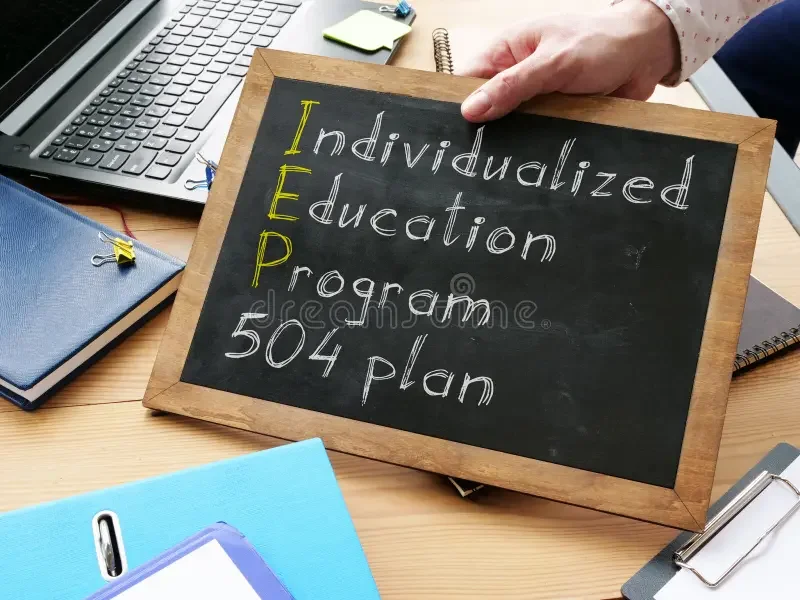
Does My Child Need a 504 Plan or IEP?
Does My Child Need a 504 Plan or IEP? helps parents understand where to begin when a child is struggling academically, emotionally, behaviorally, or medically at school. The article explains the roles of teachers, school counselors, social workers, psychologists, and outside therapists; the difference between informal supports, 504 plans, and IEPs; how accommodations differ from specialized instruction; and how parents can request a school evaluation. Prospering Minds Counseling supports children, teens, and families navigating school anxiety, ADHD, emotional regulation, school avoidance, and educational support needs.

Middle School, Here We Come: Helping Your Child Handle the Transition
Middle School, Here We Come: Helping Your Child Handle the Transition offers practical guidance for parents supporting children as they move from elementary to middle school. The article explores anxiety about changing classrooms, managing multiple teachers and schedules, getting lost, arriving late, making new friends, and adjusting to increased independence. It also explains how families can practice new routines, normalize the adjustment period, and create a calm, consistent home environment. Prospering Minds Counseling supports children and families navigating school transitions, anxiety, social stress, executive functioning challenges, and emotional overwhelm.

Is Overcommitting a Trauma Response?
Is Overcommitting a Trauma Response? Why Boundaries Can Feel Unsafe explores how people-pleasing, the fawn response, perfectionism, fear of abandonment, and childhood family roles can make saying no feel emotionally unsafe. The article explains why overcommitment is often more than poor time management and how nervous-system patterns may contribute to guilt, burnout, and difficulty setting boundaries. Readers will learn how to recognize trauma-related overfunctioning, tolerate other people’s disappointment, and begin building healthier boundaries without shame.

“I Don’t Want to Go Back”: What Your Teen May Really Be Trying to Tell You
“I Don’t Want to Go Back”: What Your Teen May Really Be Trying to Tell You explores the emotional reasons behind school avoidance, including anxiety, bullying, social exclusion, academic pressure, perfectionism, sensory overload, and fear of judgment. The article helps parents look beyond defiance, ask more curious questions, and support their teen without reinforcing avoidance. Prospering Minds Counseling offers therapy for teens and families navigating school anxiety, refusal, emotional overwhelm, and difficult school transitions.

The Sunday Scaries Are Starting Earlier: How to Help Your Teen With Back-to-School Anxiety
The Sunday Scaries Are Starting Earlier: How to Help Your Teen With Back-to-School Anxiety explores why school-related anxiety can begin weeks before the first day and how it may appear as irritability, avoidance, sleep problems, headaches, stomachaches, or withdrawal. The article helps parents recognize anxiety signals, validate their teen’s fears without reinforcing school avoidance, and create a practical back-to-school coping plan. Prospering Minds Counseling supports teens and families experiencing anxiety, panic, academic stress, social concerns, and difficult school transitions.

Growing Up With Financial Instability: How Childhood Money Stress Follows You
Growing up with financial instability can leave lasting emotional effects that follow you into adulthood. This article explores how childhood money stress can shape your relationship with spending, saving, self-worth, anxiety, and financial security. Learn how therapy can help residents of Carol Stream, IL heal inherited money fears, overcome scarcity mindset, and build a healthier relationship with finances.

When Spending Becomes a Coping Skill
Overspending is not always about poor money management. Sometimes spending becomes a coping skill used to manage stress, anxiety, trauma, ADHD, depression, loneliness, or emotional overwhelm. This article explores the emotional side of spending, why shame keeps the cycle going, and how therapy can help individuals in Carol Stream, IL build healthier coping strategies and a more balanced relationship with money.

Why Budgeting Advice Does Not Work for Everyone
Traditional budgeting advice does not work for everyone. For individuals living with ADHD, trauma, anxiety, depression, chronic stress, caregiving demands, or financial instability, budgeting can feel overwhelming rather than helpful. This article explores why budgeting often fails, how executive dysfunction and survival mode affect money management, and how you can build flexible financial systems that support long-term financial wellness without shame.

What Is Financial Trauma? When Money Stress Leaves a Lasting Impact
Financial trauma is more than money stress. It is the lasting emotional, psychological, and nervous system impact of financial instability, poverty, debt, job loss, financial abuse, housing insecurity, or chronic scarcity. Learn how financial trauma affects relationships, decision-making, anxiety, and feelings of safety, and discover how therapy in Carol Stream, IL can help support healing and financial wellness.

Medical Trauma and Chronic Illness
Chronic illness can affect more than the body. Learn how medical trauma, repeated dismissal, diagnosis uncertainty, pain, and fatigue can impact mental health, self-trust, and the nervous system.

Medical Gaslighting and Trauma: When Not Being Believed Becomes Part of the Wound
Medical gaslighting can leave lasting emotional wounds. Learn how repeated dismissal by healthcare providers can contribute to trauma, anxiety, self-doubt, and fear of medical care, and how trauma-informed therapy can help.

How to Build an Executive Functioning System That Survives Real Life
A sustainable executive functioning system is not about creating a perfect routine. It is about building flexible supports that can survive real life, including stress, grief, caregiving, neurodivergence, trauma responses, ADHD, anxiety, depression, burnout, and changing capacity. This article introduces a trauma-informed 5-part executive functioning system: regulate, reduce, externalize, simplify, and repair. It also explains how to choose one starting point, what to do when you fall off, and when to seek professional support.

From Shame-Based Productivity to Trauma-Informed Systems
Shame-based productivity often relies on pressure, punishment, comparison, rigid rules, and self-criticism. For trauma survivors and people with ADHD, anxiety, depression, burnout, or executive dysfunction, these systems can increase threat and make follow-through harder. This article introduces a trauma-informed executive functioning framework rooted in safety, flexibility, repair, choice, consent, support, and empowerment. It explains how shifting from “What’s wrong with me?” to “What support does my nervous system need?” can help create more sustainable planning, productivity, and self-trust.
Reach Out Today!
Questions? Reach out today to schedule a consultation call. Someone from our team will reach out within 24 business hours. You may also reach out to our team by phone or email, listed below.
Phone: 708-680-7486
Email: intake@prosperingmc.com
Address:
640 E Saint Charles Road, Unit 202, Carol Stream, IL 60188