
Medical Trauma and Chronic Illness
Medical Trauma and Chronic Illness: When Your Body Feels Unsafe
Carly Wolfram, Licensed Clinical Professional Counselor (LCPC), Doctoral CandidateProspering Minds Counseling provides trauma-informed therapy for individuals living with chronic illness, medical trauma, health anxiety, chronic pain, fatigue, diagnosis uncertainty, and repeated medical invalidation. This article explores how chronic illness can make the body feel unpredictable or unsafe, how repeated dismissal can create trauma responses, and how therapy can help clients process grief, rebuild self-trust, regulate the nervous system, and feel more supported in their healthcare journey.

You wake up tired.
Not the kind of tired that goes away after a good night’s sleep. The kind that settles into your bones. The kind that makes brushing your teeth feel like a task. The kind that forces you to calculate how much energy every part of the day will cost.
Before you even get out of bed, you check in with your body.
What hurts today? What symptom is flaring? How much can I do? What will I have to cancel? Will anyone believe me if I say I am struggling?
For many people living with chronic illness, these questions become part of daily life.
The physical symptoms are hard enough. But what often goes unseen is the emotional toll of living in a body that feels unpredictable, misunderstood, or unsafe.
Over time, chronic illness can affect far more than physical health. It can shape your nervous system, mental health, relationships, sense of identity, and ability to trust yourself and the world around you.
And for many people, that experience can begin to feel a lot like trauma.
When Your Body Stops Feeling Predictable
Most people move through life with a basic assumption: my body will do what I need it to do.
They expect to wake up with roughly the same energy they had yesterday. They assume they can make plans and follow through. They trust that if something hurts, it will eventually improve.
Chronic illness can change that relationship.
Suddenly, the body may feel less predictable. You may not know how you will feel tomorrow. You may need to cancel plans at the last minute because symptoms flare unexpectedly. You may spend hours researching symptoms, managing medications, attending appointments, or trying to understand what is happening inside your own body.
The body that once felt familiar may begin to feel uncertain. And uncertainty can be deeply stressful for the nervous system.
Why Chronic Illness Is Emotionally Exhausting
People often focus on the physical symptoms of chronic illness: the pain, the fatigue, the treatments, the appointments, and the diagnoses.
But chronic illness also carries constant emotional labor.
There is the work of adapting to limitations, managing uncertainty, navigating healthcare systems, explaining symptoms repeatedly, advocating for yourself, grieving changes in your abilities, and worrying about the future.
Many people feel like they are working a second full-time job just trying to manage their health.
Even on “good” days, the illness may still be there in the background. Your body may feel better, but your brain may still be monitoring, planning, adjusting, and preparing.
That kind of constant awareness can be exhausting.
The Trauma of Not Knowing
For some people, the hardest part is not the diagnosis. It is the absence of one.
Months can pass. Sometimes years. Appointment after appointment. Test after test. Specialist after specialist. You know something is wrong, but no one can tell you exactly what.
Living with unanswered questions creates chronic stress. The nervous system naturally looks for certainty, safety, and a way to understand what is happening. When answers remain out of reach, the brain may stay on high alert.
You may find yourself constantly scanning your body for clues, searching online for explanations, or replaying medical conversations to figure out what you missed.
Eventually, uncertainty itself becomes exhausting.
When Medical Appointments Become Sources of Stress

Most people think of healthcare as a place where healing happens.
But for many individuals living with chronic illness, healthcare can become a source of anxiety.
You may have been dismissed, rushed through appointments, told your symptoms were “just stress,” given conflicting information, or left struggling to access the care you needed. Over time, these experiences can teach your nervous system that medical appointments may not feel safe.
You may notice anxiety days before an appointment. Your heart may race in the waiting room. You may struggle to speak up, ask questions, or advocate for yourself. You may leave feeling defeated, even when nothing obviously “bad” happened.
These are common responses to medical trauma.
When healthcare has been associated with dismissal, confusion, or lack of control, the body may begin preparing for appointments as if it is preparing for threat.
How Repeated Dismissal Creates Trauma Responses
When symptoms are repeatedly minimized or ignored, the impact goes beyond frustration. The nervous system begins adapting. People often develop trauma responses that look like:
Hypervigilance
You become highly aware of every symptom and every sensation feels important. Then you might monitor your body constantly because you’re afraid of missing something. The goal is protection, but the result is often exhaustion.
Avoidance
Some people stop seeking medical care altogether, because being dismissed hurts. Then, avoidance becomes a way to protect against further disappointment or invalidation.
Anger
Anger is often misunderstood. For many people living with chronic illness, anger develops after years of fighting to be heard. Some might think it’s bad to be angry. However, anger could come from feeling dismissed, ignored, or forced to constantly prove your suffering. It’s communicating a boundary to you.
Shutdown
Eventually, some people stop talking about their symptoms. They stop asking for help, stop asking for answers, not because they feel better, but because they feel defeated. This is what we call, an emotional shutdown and it is often a sign that the nervous system has become too overwhelmed.
The Grief No One Talks About
One of the most overlooked aspects of chronic illness is grief.
Not only grief for your health, but grief for the life you had before symptoms became part of the daily landscape. Grief for plans that changed, opportunities that were lost, and the version of yourself that existed before every day became a negotiation with your body.
There is also a unique grief that comes from not being believed.
Many people spend years trying to convince others that their symptoms are real. Years trying to prove their pain. Years wondering if they are somehow failing to explain themselves clearly enough.
That kind of invalidation leaves emotional scars.
It can make you feel alone in your own body, as if you are carrying both the symptoms and the burden of proving they exist.
When You Stop Trusting Yourself
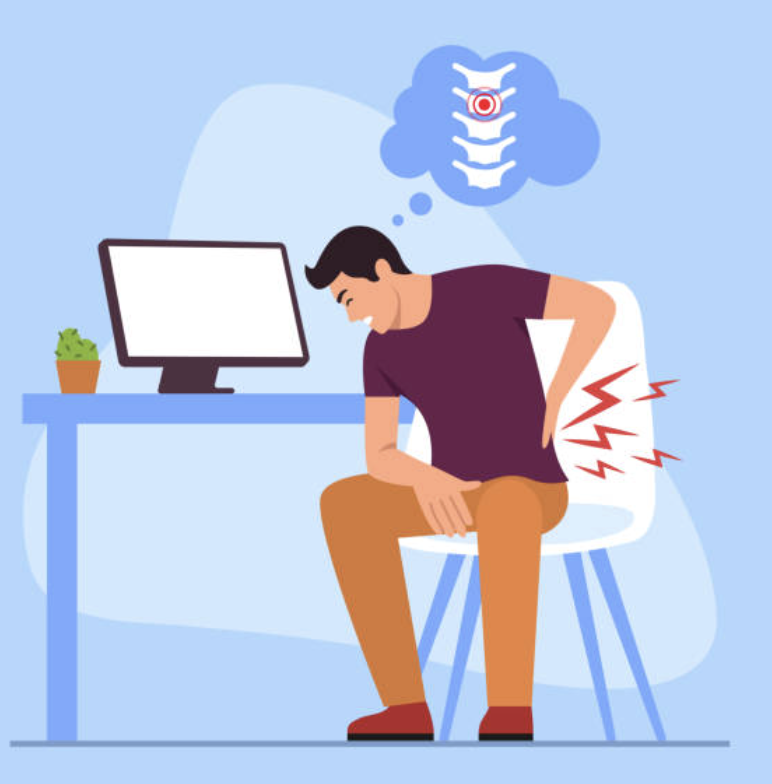
One of the most painful effects of chronic illness and medical trauma is the erosion of self-trust.
After being dismissed, misunderstood, or told that everything looks “normal” enough times, you may begin questioning your own experience. Am I really sick? Am I exaggerating? Am I being dramatic? Should I just push through?
Even when symptoms are real and disruptive, repeated invalidation can make you doubt what your body is telling you.
Over time, the voice of dismissal can become internalized. You may start minimizing your pain, second-guessing your needs, or preparing to defend your symptoms before you even speak.
And suddenly, you are questioning yourself before anyone else has the chance to.
How Therapy Can Help Heal Medical Trauma
Therapy cannot eliminate chronic illness, but it can help address the emotional wounds that often come with it.
A trauma-informed therapist can help you process medical trauma, reduce anxiety around healthcare experiences, rebuild trust in yourself, cope with uncertainty, navigate grief and loss, regulate your nervous system, and develop self-advocacy skills.
Most importantly, therapy can offer something many people living with chronic illness deeply need: a place where they do not have to prove their pain.
A place where their experience is believed and where the emotional burden of chronic illness can finally be acknowledged. Sadly, the road to diagnosis often takes YEARS.
You Deserve Support for More Than Just the Symptoms
Living with chronic illness is not only a medical experience. It is an emotional experience, a nervous system experience, a relationship experience, a grief experience, and sometimes, a trauma experience.
At Prospering Minds Counseling, we understand the complex emotional impact of chronic illness, medical trauma, and repeated invalidation. Our trauma-informed therapists help individuals navigate anxiety, grief, self-doubt, and the stress of living in a body that feels unpredictable.
Because healing is not always about fixing symptoms.
Sometimes healing begins when someone finally understands how hard you have been fighting just to be believed and reminds you that you do not have to carry that burden alone.
Now accepting new clients. We accept most major private insurance plans.
Prospering Minds Counseling
📞 Call: 708-680-7486
📧 Email:intake@prosperingmc.com
