
Medical Gaslighting and Trauma: When Not Being Believed Becomes Part of the Wound
Medical Gaslighting and Trauma: When Not Being Believed Becomes Part of the Wound
Carly Wolfram, Licensed Clinical Professional Counselor (LCPC), Doctoral CandidateProspering Minds Counseling provides trauma-informed therapy for individuals impacted by medical gaslighting, medical trauma, chronic illness, health anxiety, and repeated invalidation in healthcare settings. This article explores how not being believed by medical providers can affect the nervous system, create self-doubt, worsen anxiety or depression, and make future medical care feel unsafe. Therapy can help clients rebuild trust in themselves, process medical trauma, and feel more empowered when advocating for their health.
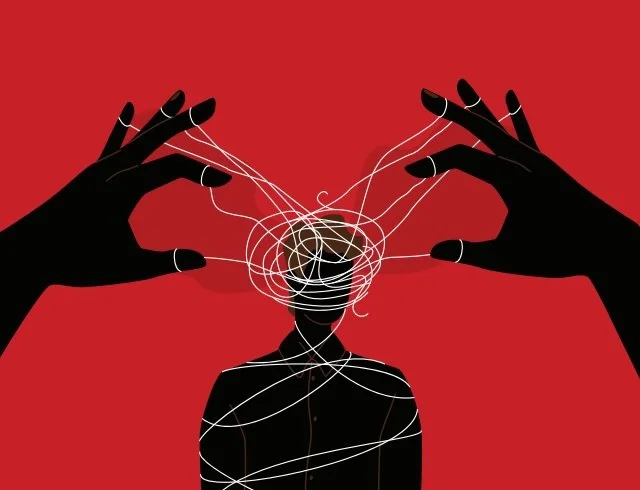
You know something is wrong. Your body has been trying to get your attention. You are exhausted, in pain, or dealing with symptoms that make daily life harder than it used to be.
So you do what you have been told to do. You make the appointment. You explain what is happening. You try to be clear, calm, and specific. You ask for help. Then you hear:
“Your labs look normal.”
“It’s probably stress.”
“You seem anxious.”
“You’re too young for that.”
“Let’s just wait and see.”
“Have you tried exercising more?”
You leave the appointment feeling worse than when you arrived. Confused. Embarrassed. Angry. Maybe even unsure of yourself.
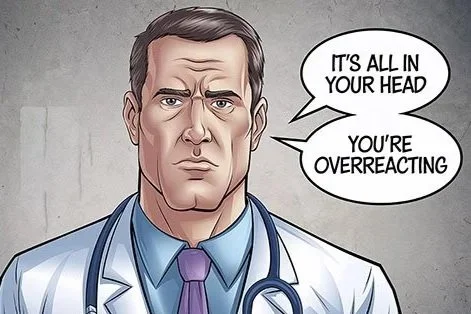
You may start wondering if you explained it wrong, if you are overreacting, or if the symptoms are somehow “all in your head.”
This experience has become common enough that many people now call it medical gaslighting. And for many patients, it is not just frustrating. It can be deeply traumatic.
What Is Medical Gaslighting?
Medical gaslighting occurs when a person’s symptoms, concerns, experiences, or health issues are dismissed, minimized, misattributed, or not taken seriously by healthcare providers.
Sometimes this dismissal is intentional. Often, it is not.
Most healthcare providers genuinely want to help their patients. However, systemic issues such as time constraints, implicit bias, lack of knowledge about certain conditions, and overreliance on testing can contribute to patients feeling unheard and invalidated.
Regardless of intent, the impact can be profound. When someone repeatedly seeks help and is told that nothing is wrong, despite ongoing symptoms, they may begin to question their own reality.
What Medical Gaslighting Can Sound Like
Medical gaslighting doesn’t always look dramatic.
Sometimes it sounds subtle.
Comments such as:
“It’s probably anxiety.”
“You’re overthinking it.”
“You just need to reduce stress.”
“Everyone gets tired.”
“That’s normal.”
“Your test results are fine.”
…can leave patients (like yourself and others) feeling dismissed when their symptoms are very real. For individuals with chronic illness, autoimmune disorders, chronic pain conditions, endometriosis, ADHD, autism, POTS, Ehlers-Danlos Syndrome, fibromyalgia, long COVID, and many other complex conditions, this experience is unfortunately common. They do not feel like they are being taken seriously.
When the Healthcare System Stops Feeling Safe

Most of us are taught that healthcare providers are the people we turn to when something feels wrong. We expect to be heard, helped, and taken seriously. We expect our pain, symptoms, and concerns to matter.
But when that expectation is violated again and again, something deeper can happen. The healthcare system itself may begin to feel unsafe.
You may feel anxious before appointments, struggle to trust providers, avoid medical care altogether, or feel panicked when talking about symptoms. You may fear being judged, dismissed, or labeled as “too anxious.” You may leave appointments feeling emotionally drained, embarrassed, angry, or unsure of yourself.
For some people, even making a doctor’s appointment can trigger a significant stress response.
Why Medical Gaslighting Can Be Traumatic
Trauma is not defined only by what happens. It is also shaped by how powerless, trapped, invalidated, or unsupported someone feels while it is happening.
Medical gaslighting can include many of these elements. A person may know something is wrong, seek help repeatedly, be told they are fine, and continue suffering without answers. Over time, they may begin to question their own body, memory, and perception.
That kind of repeated dismissal can create a deep sense of helplessness. The message becomes, “Maybe I cannot trust my body.” “Maybe I cannot trust myself.” “Maybe no one will believe me.”
Those messages can linger long after a diagnosis is finally found, and sometimes even when one never is.
The Connection Between Medical Gaslighting and Complex Trauma
For individuals who already have trauma histories, medical gaslighting can be especially painful.
Many trauma survivors have previous experiences of:
not being believed
having their reality questioned
having their needs dismissed
being told their experiences didn’t matter
When a healthcare interaction mirrors those experiences, old wounds can be activated.
The nervous system may react as though it is reliving a familiar pattern:
“I am not being heard.”
“My experience doesn’t matter.”
“No one is coming to help.”
This is one reason medical encounters can feel disproportionately distressing for trauma survivors. The experience may be touching something much older than the current appointment.
How Medical Trauma Affects Mental Health
Repeated invalidation can have significant emotional consequences.
Many individuals experience:
anxiety
depression
hypervigilance
health anxiety
panic attacks
emotional exhaustion
feelings of hopelessness
distrust of healthcare providers
Some people respond by constantly monitoring their symptoms, afraid they will miss something important or need to “prove” their pain. Others avoid medical care altogether because appointments feel too stressful or unsafe.
Although these responses may look different, they often come from the same place: the nervous system trying to prevent further harm.
The Self-Doubt That Follows
One of the most damaging effects of medical gaslighting is self-doubt.
After being dismissed enough times, you may begin to question things you once felt certain about. You may wonder whether your symptoms are real, whether you are overreacting, whether you are being “too sensitive,” or whether you are asking for too much. You may start minimizing your pain before anyone else does, rehearsing how to explain yourself, or trying to sound calm enough to be believed but serious enough to be taken seriously.
This kind of self-doubt can be exhausting because it turns your own body into something you feel you have to debate.
Instead of simply noticing, “Something feels wrong,” you may find yourself asking, “Is this bad enough?” “Will they believe me?” “What if they think I am dramatic?” “What if I go in and they find nothing?” “What if I am wasting everyone’s time?”
Many people end up fighting two battles at once: the symptoms themselves, and the constant questioning of whether they are allowed to trust their own experience.
Over time, that can change a person’s relationship with their body. Pain, fatigue, dizziness, digestive issues, heart symptoms, hormonal changes, or other concerns may no longer feel like information. They may feel like evidence you have to defend.
Healing from medical gaslighting often involves rebuilding trust with yourself. Your body does not need to be perfectly understood for your experience to matter. You are allowed to notice what is happening. You are allowed to ask questions. You are allowed to seek support. And you are allowed to believe that your symptoms deserve care, even when answers take time.
Relearning How to Trust Yourself
Healing from medical gaslighting often involves rebuilding trust. Not only trust in healthcare providers, but trust in yourself.
After repeated dismissal, it can take time to believe your own body again. You may need to practice validating your experience, keeping records of symptoms, seeking second opinions when necessary, and advocating for your needs in appointments.
It may also mean reminding yourself that normal test results do not automatically mean your symptoms are imagined. Sometimes answers take time. Sometimes the right tests have not been ordered yet. Sometimes the first explanation is not the full explanation.
Your body communicates important information. You deserve to listen to it, ask questions, and seek care that takes your experience seriously.
How Therapy Can Help Heal Medical Trauma
The emotional impact of medical gaslighting is often overlooked. Therapy can give people space to process the betrayal of not being believed, the fear of future medical encounters, anxiety around health concerns, trauma connected to chronic illness, grief over delayed diagnoses, and the self-doubt that can come from being dismissed again and again.
Trauma-informed therapy can also help support the nervous system when medical settings have become associated with fear, helplessness, or shame. This may include learning grounding tools, rebuilding trust in your body, preparing for appointments, strengthening self-advocacy, and processing the emotional weight of what happened. The goal is not simply to “move on.” The goal is to help you feel safer, more empowered, and advocate for yourself.
You Deserve to Be Heard
If you have experienced medical gaslighting, you may have spent years wondering if your symptoms were real. You may have questioned yourself more times than you can count. You may have learned to stay quiet because speaking up felt pointless, exhausting, or unsafe.
But your experience matters. Your symptoms matter. Your concerns matter.
Being dismissed can leave wounds that are invisible to others but deeply real to the person carrying them. It can affect how you trust your body, how you approach medical care, and how safe you feel asking for help.
At Prospering Minds Counseling, we understand the emotional impact of chronic illness, medical trauma, and repeated invalidation. Our therapists provide trauma-informed support to help individuals process these experiences, rebuild self-trust, and feel more empowered in their healthcare journey.
Because healing is not only about finding answers.
Sometimes healing begins when someone finally says, “I believe you.”
Now accepting new clients. We accept most major private insurance plans.
Prospering Minds Counseling
📞 Call: 708-680-7486
📧 Email: intake@prosperingmc.com
