
High-Functioning Anxiety and Intellectualizing: When “Doing Fine” Is Actually a Trauma Response
High-Functioning Anxiety and Intellectualizing: When “Doing Fine” Is Actually a Trauma Response
Carly Wolfram, Licensed Clinical Professional Counselor (LCPC), Doctoral CandidateHigh-functioning anxiety and intellectualizing are often misunderstood as personality traits, but they can be trauma responses rooted in childhood emotional neglect, perfectionism, chronic stress, and nervous system survival patterns. This article explains how overthinking, perfectionism, and emotional disconnection can develop as protective responses—and how trauma therapy and Brainspotting help create deeper healing beyond traditional talk therapy.
“Everyone Thinks I’m Fine… But I’m Exhausted”
“I look successful on the outside, but I feel like I’m constantly bracing for something bad to happen.”
This is something we hear often in therapy. The person is high-achieving. Responsible. Organized. Reliable. They are the one everyone depends on. They rarely fall apart in public. They are productive, insightful, and often the person others describe as “having it all together.” But internally, they are exhausted.
Their mind never shuts off. They overthink every interaction. Rest feels uncomfortable. Slowing down creates guilt. Even after success, they struggle to feel safe.
This is often called high-functioning anxiety. And for many people, it is not just a personality trait.
It is a trauma response.
At Prospering Minds Counseling, we often work with clients who have spent years believing their anxiety is simply who they are. In reality, their nervous system learned early that staying alert, performing well, and thinking their way through emotions was how they survived. This is where healing begins—not by becoming less productive, but by understanding why your body never learned how to feel safe.
What Is High-Functioning Anxiety?
High-functioning anxiety is not always obvious from the outside. Unlike panic attacks or visible emotional overwhelm, it often hides behind achievement, perfectionism, people-pleasing, and constant productivity.
Someone with high-functioning anxiety may appear calm and capable while internally feeling overwhelmed, restless, and mentally exhausted. They may constantly worry about disappointing others. They may overprepare for everything. They may struggle to relax, sleep, or trust themselves.
They often hear things like:
“You’re so put together.”
“You handle everything so well.”
“You’re the strong one.”
But internally, they may feel like they are surviving, not thriving. The anxiety is simply dressed in competence.
Intellectualizing: When Thinking Becomes Emotional Protection

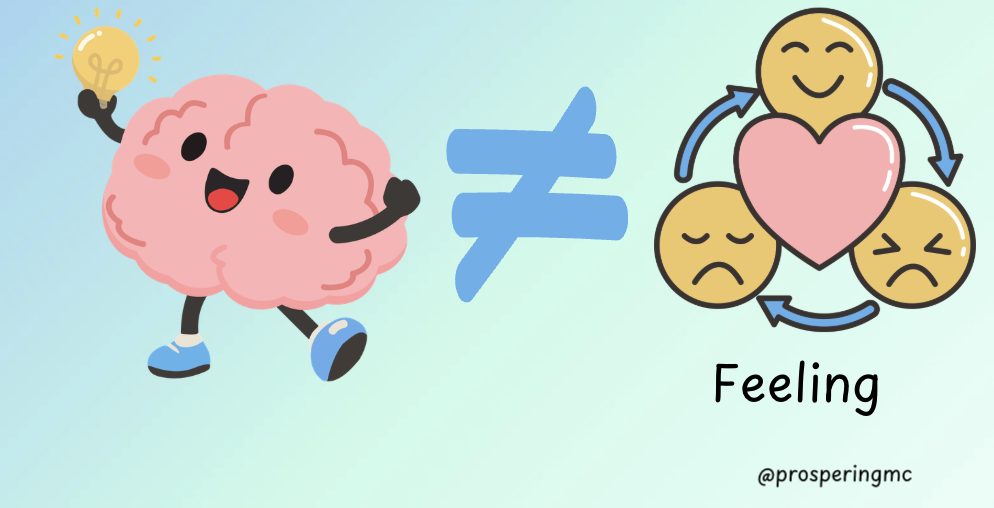
Many people with high-functioning anxiety also rely heavily on intellectualizing. Intellectualizing is when the mind uses logic, analysis, and explanation to avoid fully feeling emotional pain.
For example: instead of saying, “I feel hurt,” someone may explain exactly why they feel hurt. Instead of grieving, they research grief. Instead of sitting with sadness, they analyze the relationship dynamic. They understand everything—but they do not actually feel it.
This is not avoidance in a careless way. It is often a nervous system strategy for survival. If emotions once felt unsafe, overwhelming, or unsupported, the brain learns to stay in thinking mode. Logic feels safer than vulnerability. Understanding feels safer than feeling.
Why This Is Often a Trauma Response
Trauma does not always look like one major event.
Sometimes trauma looks like growing up in an environment where emotions were dismissed, criticized, or unsafe to express.
It can look like childhood emotional neglect, unpredictable caregivers, chronic stress, perfectionistic family systems, parentification, or learning that love was earned through achievement.
In those environments, children often adapt by becoming hyper-aware, responsible, and emotionally self-contained. They learn:
Do not be too much.
Do not need too much.
Do not make mistakes.
Stay useful.
Stay ahead.
Stay safe.
As adults, these patterns can look like high-functioning anxiety and intellectualization. The nervous system is still operating from survival mode—even when the original danger is gone.
Common Signs of High-Functioning Anxiety as a Trauma Response

Many people do not realize their anxiety is rooted in protection. They simply think they are “wired this way.”
You may notice that you struggle to rest without guilt. You replay conversations for hours. You need constant productivity to feel okay. You over-apologize. You feel responsible for everyone else’s emotions. You cannot enjoy success because you are already preparing for the next problem. You may also notice that you can explain your emotions perfectly—but still feel disconnected from them. You know why you are anxious. You just cannot stop being anxious. That disconnect matters. Insight alone does not always heal nervous system activation.
Perfectionism Is Often Fear in Disguise
Many high-functioning anxious people do not identify with anxiety—they identify with perfectionism.
They say things like:
“I just have high standards.”
“I just like being prepared.”
“I just work better under pressure.”
But underneath perfectionism is often fear. Fear of failure. Fear of rejection. Fear of being seen as not enough. Fear of losing control. Perfectionism is often a protector. It believes that if everything is done perfectly, pain can be prevented. The problem is that perfectionism never feels finished. There is always more to fix. That is why high-functioning anxiety is so exhausting. The nervous system never gets permission to rest.
Why Traditional Talk Therapy Sometimes Feels Like It Is Not Enough
Many people with high-functioning anxiety are incredibly insightful. They understand their patterns. They can explain their childhood. They know where the perfectionism comes from. But they still feel stuck. This is because trauma is not stored only in thoughts—it is stored in the body and nervous system. You cannot always think your way out of a trauma response. This is where approaches like Brainspotting become powerful.
Brainspotting helps clients move beyond intellectual understanding and into nervous system healing. Instead of asking your mind to work harder, it helps your body process what it has been holding. For people who intellectualize, this can be a major turning point. Because healing often begins where overthinking ends.
What Healing Looks Like
Healing high-functioning anxiety does not mean becoming less ambitious or less capable.
It means learning that your worth is not dependent on performance.
It means being able to rest without guilt.
It means recognizing anxiety as a protector instead of a personal failure.
It means learning to feel emotions without immediately analyzing them.
It means understanding that safety is something your body can learn—not something you have to earn.
For many people, healing starts with one powerful realization:
“I am not anxious because I am weak. I am anxious because my nervous system learned survival.”
That shift changes everything.
High-Functioning Anxiety Therapy at Prospering Minds Counseling
At Prospering Minds Counseling, we help adults and adolescents work through high-functioning anxiety, perfectionism, trauma responses, emotional shutdown, and nervous system overwhelm.
Many clients come to us saying:
“I’m successful, but I’m exhausted.”
“I can explain everything, but I still feel stuck.”
“I don’t know how to stop overthinking.”
This is often where Brainspotting, trauma therapy, and nervous system work become incredibly helpful. Sometimes the goal is not to fix anxiety. Sometimes the goal is to understand what anxiety has been protecting all along. That is where real healing happens.
Now Accepting New Clients
We are currently accepting new clients for anxiety therapy, Brainspotting, and trauma counseling.
We accept most major private insurance plans and support clients working through perfectionism, overthinking, high-functioning anxiety, and trauma-related stress.
If everyone thinks you are fine—but inside you feel exhausted—you do not have to keep carrying that alone.
Call: 708-680-7486
Email: intake@prosperingmc.com
Prospering Minds Counseling
Helping you heal from the inside out.
