
Toxic Positivity: Why Cautious Optimism Heals More Than “Just Stay Positive”
Toxic Positivity: Why Cautious Optimism Heals More Than “Just Stay Positive”
Carly Wolfram, Licensed Clinical Professional Counselor (LCPC), Doctoral CandidateToxic positivity can be a trauma response rooted in emotional suppression, people-pleasing, childhood emotional neglect, and nervous system survival patterns. This article explains why “just stay positive” can make anxiety worse, how cautious optimism supports healthier emotional healing, and how DBT Wise Mind helps balance emotions and logic for deeper trauma recovery.

“I Know I Should Be Grateful… So Why Do I Still Feel Bad?”
“I keep telling myself to just be positive, but honestly… I feel worse.” This is something many people quietly carry.
They try to stay strong. They remind themselves that others have it worse. They push down sadness, anger, grief, or fear because they believe feeling those emotions means they are failing. They say things like:
“Everything happens for a reason.”
“At least it’s not worse.”
“I should just focus on the good.”
But underneath all of that positivity is often exhaustion. This is where toxic positivity can become harmful.
At Prospering Minds Counseling, we often work with clients who have learned to suppress difficult emotions in the name of staying “positive.” Instead of creating peace, it creates emotional disconnection, shame, and nervous system overwhelm.
Real healing does not come from pretending everything is okay. It comes from learning how to hold truth and hope at the same time. This is where cautious optimism—and DBT Wise Mind—can be incredibly powerful.
What Is Toxic Positivity?
Toxic positivity is the pressure to stay positive no matter what, even when life is painful, uncertain, or genuinely difficult.
It sounds like forcing gratitude instead of allowing grief. It sounds like minimizing pain with phrases like “just think positive” or “good vibes only.” It often teaches people that sadness, anger, fear, and disappointment are emotions they should avoid.
The problem is that emotions do not disappear when ignored. They usually get louder.Its like the veggies that you bought at the store that you forgot about in the back of your fridge and its growing a new colony of whatever it is. Just growing, unless it is taken care of.
When someone is struggling with anxiety, trauma, grief, or burnout, being told to “just stay positive” can actually increase shame. It sends the message that difficult emotions are wrong or inconvenient. But emotions are information. Ignoring them does not create healing—it creates emotional suppression.
Trauma Often Creates Toxic Positivity

For many people, toxic positivity is not just a mindset—it is a trauma response. If you grew up in an environment where emotions were dismissed, criticized, or unsafe, you may have learned that being “easy,” “happy,” or “low maintenance” was how you stayed connected and protected. Maybe sadness was ignored. Maybe anger was punished. Maybe fear was seen as weakness. Maybe you learned that your job was to keep the peace and make everyone else comfortable. In those environments, positivity becomes survival.
You learn:
Do not complain.
Do not be too emotional.
Do not make others uncomfortable.
Stay grateful.
Stay useful.
Stay easy to love.
As adults, this can look like chronic people-pleasing, emotional shutdown, difficulty asking for help, and feeling guilty for having normal human emotions.
This is not positivity. It is protection.
Why “Just Think Positive” Can Make Anxiety Worse
When someone with anxiety hears “just think positive,” it often creates more internal conflict. They are already trying, and they are already overthinking. They are already working hard to manage fear. Being told to simply choose positivity can make them feel like they are failing at healing. This is especially true for people with trauma histories. Trauma teaches the nervous system to stay alert for danger. Hypervigilance is not something you simply talk yourself out of.
If your body feels unsafe, forced positivity often feels invalidating. Your nervous system does not need denial. It needs safety. Healing anxiety is not about convincing yourself nothing bad will happen. It is about helping your body believe you can handle what does happen. That is a very different kind of peace.
Cautious Optimism: A Healthier Alternative
Cautious optimism means holding reality and hope at the same time.
It sounds like:
“This is really hard, and I believe I can get through it.”
“I am disappointed, and there is still room for possibility.”
“I feel anxious, and I do not need to shame myself for that.”
“I can be hopeful without pretending everything is perfect.”
This is emotional honesty. It does not deny pain, but it also does not get stuck in hopelessness. Cautious optimism creates resilience because it allows both truth and trust. You are not forcing yourself to be positive. You are learning how to stay grounded. This is much healthier for trauma recovery.
DBT Wise Mind: Where Logic and Emotion Meet
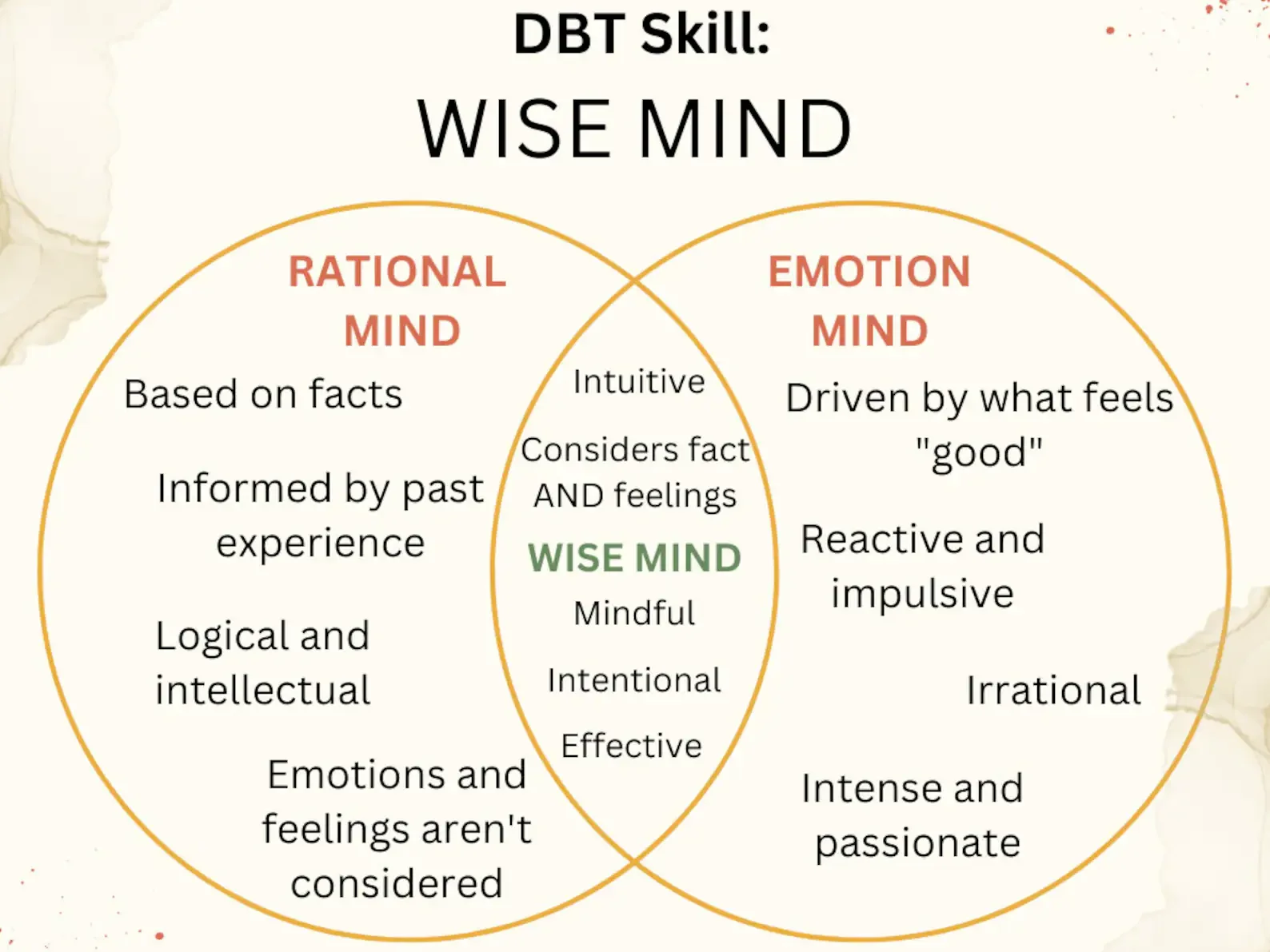
In Dialectical Behavior Therapy (DBT), there is a concept called Wise Mind. Wise Mind is the place where emotional mind and reasonable mind work together. Emotional mind is driven by feelings. It reacts from fear, sadness, anger, or overwhelm. Reasonable mind is driven by facts, logic, and problem-solving. Neither one is bad—but when we live only in one extreme, we often struggle. Toxic positivity often comes from trying to stay in “reasonable mind” by overriding emotions. Emotional overwhelm can happen when we live only in emotional mind without grounding.
Wise Mind says both matter. Two truths can exist at the same time. You can feel grief and still make clear decisions, you can feel anxious and still trust yourself, and you can be hurting and still hopeful. This balance is where healing lives. Wise Mind sounds a lot like cautious optimism. It is not fake positivity, it’s emotionally honest stability.
What Healing Looks Like Instead
Healing from toxic positivity often starts with permission. Permission to be sad without guilt, permission to be angry without shame, and permission to say something hurts without immediately trying to make it sound smaller.
It means learning that gratitude and grief can exist together. You can love your family and still acknowledge pain, you can be thankful and still feel overwhelmed, and you can be hopeful and still need support. Healing also means learning to ask:
What am I actually feeling?
What does this emotion need?
Am I comforting myself—or silencing myself?
That shift changes everything. Because healing is not about becoming more positive. It is about becoming more honest.
How Brainspotting Helps with Emotional Suppression
Many people who struggle with toxic positivity also struggle with emotional disconnection. They can explain their emotions, but they do not fully feel them. Their body stays tense. Their nervous system stays activated. They feel disconnected from themselves.
This is where Brainspotting can help. Brainspotting helps access the deeper emotional and nervous system responses beneath intellectual understanding.
Instead of talking yourself into feeling okay, Brainspotting helps your body process what it has been holding. For people who learned to survive by staying “fine,” this can be a powerful step toward real emotional healing. Because sometimes the hardest thing is not staying positive. It is allowing yourself to feel.
Therapy for Toxic Positivity at Prospering Minds Counseling
At Prospering Minds Counseling, we help adults and adolescents work through anxiety, trauma, perfectionism, people-pleasing, emotional suppression, and nervous system overwhelm.
Many clients come to us saying:
“I feel guilty for struggling.”
“I should be grateful, so why do I still feel anxious?”
“I don’t know how to let myself feel emotions.”
This is often where therapy becomes transformative.
Sometimes healing is not learning how to be more positive, it’s learning how to be more real.
That is where cautious optimism, Wise Mind, and trauma healing begin.
Now Accepting New Clients
We are currently accepting new clients for anxiety therapy, Brainspotting, DBT-informed therapy, and trauma counseling.
We accept most major private insurance plans and support clients working through perfectionism, people-pleasing, emotional shutdown, and high-functioning anxiety.
If positivity feels exhausting and you are tired of pretending you are fine, support is available.
Call: 708-680-7486
Email: intake@prosperingmc.com
Prospering Minds Counseling
Helping you heal from the inside out
