
“Everyone Does It”: Helping Your Teen Navigate Vaping
“Everyone Does It”: Helping Your Teen Navigate Vaping
Carly Wolfram, Licensed Clinical Professional Counselor (LCPC), Doctoral Candidate“Everyone Does It”: Helping Your Teen Navigate Vaping is a parent-focused guide to understanding teen vaping, nicotine use, peer pressure, and the emotional factors that may keep the behavior going. The article explains how anxiety, ADHD, stress, impulsivity, and emotional regulation can contribute to vaping, why curiosity is more effective than interrogation, and when to involve a pediatrician or therapist. Prospering Minds Counseling in Carol Stream, Illinois supports teens and families navigating vaping, anxiety, ADHD, trauma, emotional regulation, and other mental health concerns.

Few parenting moments create as much instant panic as finding a vape in your teenager’s backpack, bedroom, or pocket. Your mind may immediately jump to questions like, How long has this been happening? Where did they get it? Are they addicted? What else haven’t they told me? It’s normal to feel angry, disappointed, scared, or even betrayed. Many parents worry about the health risks of vaping, the influence of peers, and what this discovery might mean for their teenager’s future.
Before reacting, however, it’s important to remember that your first response can have a lasting impact on whether your teenager feels safe enough to be honest with you. This doesn’t mean ignoring the behavior or pretending vaping isn’t a serious concern. It means approaching the conversation in a way that increases the chances of understanding what’s really going on. The goal isn’t simply to take the vape away—it’s to understand why your teen started using it in the first place. Was it curiosity? Peer pressure? Stress? Anxiety? Wanting to fit in? Boredom? Nicotine dependence? The answer will shape the conversation and the support your teen needs moving forward.
First: Try Not to Panic or Lead With Anger
Discovering that your teenager has been vaping can trigger a flood of emotions. You may feel blindsided, worried about their health, frustrated that they hid it from you, or fearful about what this could lead to. Those feelings are completely understandable. However, if you confront your teen while you’re highly emotional, they’re more likely to become defensive, shut down, minimize what happened, or simply tell you what they think you want to hear.
If possible, give yourself a few minutes before starting the conversation. Take a few deep breaths, talk privately with your partner if you have one, or give yourself time to settle your emotions. Remind yourself, “I need to understand what happened before I decide how to respond,” “I can be calm without minimizing the seriousness of this,” and “I want my teenager to feel safe enough to tell me the truth.”
Staying calm doesn’t mean there won’t be consequences. It simply means you’re creating the best opportunity for an honest conversation. Teenagers are much more likely to open up when they believe they’re being listened to rather than immediately judged.
Make Sure You Know What You Found
Not every vaping device contains the same substance, and it’s important not to make assumptions before gathering more information. Some vapes contain nicotine, while others contain THC or cannabis products. Some may contain flavored liquids with no nicotine, while others may contain unknown substances that aren’t immediately identifiable.
Instead of leading with accusations, try beginning with curiosity. You might say, “I found this in your backpack, and I want to understand what it is and whether you’ve been using it.” Starting with an open-ended question gives your teenager an opportunity to explain rather than immediately defend themselves.
If you’re unsure what the device contains, avoid trying to test it yourself or guessing based on its appearance. If you’re concerned about an unknown substance, possible contamination, or your teen appears intoxicated or ill, contact your child’s pediatrician, your local poison center, or seek appropriate medical care right away. The more accurately you understand what your teenager has been using, the better equipped you’ll be to respond in a way that protects both their health and your relationship.
Peer Pressure, Nicotine, and “Everyone Does It”
One of the most common things parents hear after discovering their teen has been vaping is, “Everyone does it.” While that statement may feel like an excuse, it often reflects your teenager’s reality. If vaping is common among their friends, at school, or throughout the content they see on social media, it can begin to feel normal—even if it’s unhealthy. During adolescence, fitting in with peers is incredibly important, and many teens try vaping out of curiosity, social pressure, or a desire to feel accepted rather than because they intended to develop a habit.
What many teenagers don’t realize is how quickly nicotine can become reinforcing, especially while the adolescent brain is still developing. A teen may begin vaping only at parties or with friends, but over time they may find themselves reaching for it during stressful situations, when they’re bored, after an argument, or whenever they’re feeling anxious or overwhelmed. What started as “Everyone else was doing it” can gradually become “It helps me calm down” or “I don’t know how to get through the day without it.” Understanding that shift is important because while peer pressure may explain how vaping started, it doesn’t always explain why it continues.
Ask What They’re Using, How Often, and Why
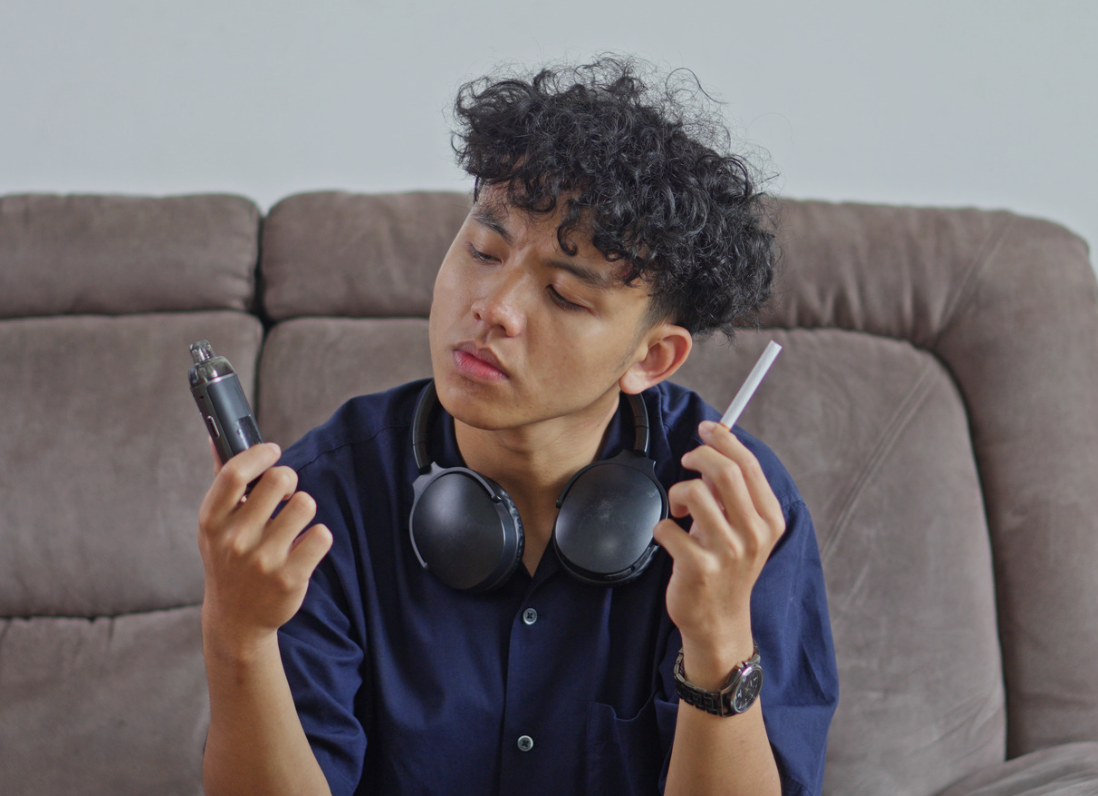
Before deciding how to respond, try to gather as much information as you can. Rather than assuming you know the full story, approach the conversation with curiosity. Questions like “What are you vaping?” “How often do you use it?” “How long has this been going on?” “Where are you getting it?” and “Do you usually vape with friends or when you’re by yourself?” can help you better understand the situation. It can also be helpful to ask whether they’re using nicotine, THC, or another substance, whether they’re purchasing it themselves or getting it from someone else, and whether they feel like they could stop if they wanted to.
Just as importantly, try to understand why your teen is vaping. Ask questions like, “What do you like about it?” “When do you notice yourself wanting it the most?” or “Does it help you feel calmer, fit in socially, or deal with stress?” These questions aren’t meant to excuse the behavior—they’re meant to understand its purpose. A teenager who experimented with vaping twice at a party will likely need a different response than a teenager who is vaping every morning before school because they’re struggling with anxiety. The frequency, context, and emotional reasons behind vaping all help guide the most appropriate next steps.
Start With Curiosity, Not an Interrogation
When parents are scared, it’s easy for conversations to feel like interrogations. Questions such as “Who gave this to you?” “How long have you been lying to me?” or “What were you thinking?” often lead teenagers to become defensive or shut down. While it’s natural to want answers, leading with accusation can make it harder to understand what’s really happening.
Instead, try approaching the conversation with genuine curiosity. You might ask, “Help me understand what vaping does for you,” “When do you usually feel like using it?” “What do you notice you’re feeling beforehand?” or “What do you think would be the hardest part about stopping?” Questions like these communicate that you’re trying to understand your teen, not just catch them doing something wrong.
Being curious doesn’t mean approving of vaping. You can be both compassionate and clear by saying something like, “I don’t want you vaping because I’m concerned about your health, and I also want to understand what made it feel important to you.” Often, the most valuable information isn’t found in whether your teen vaped—it’s found in why vaping became appealing in the first place. That’s where meaningful conversations and lasting change often begin.
Ground Yourself Before You Try to Ground Your Teen
Finding out your teen has been vaping can bring up a wave of emotions. You may feel scared about the health risks, angry that they hid it, or worried about what this could mean for their future. Those feelings are completely understandable. However, before you begin the conversation, take a moment to regulate yourself. When parents enter a discussion feeling panicked or furious, teenagers often mirror that emotional intensity by becoming defensive, sarcastic, shutting down, or refusing to talk altogether.
Instead of reacting immediately, pause and ask yourself a few questions: “What am I most afraid this means?” “Am I responding to what I know, or to everything I’m imagining?” “What do I want my teenager to remember about this conversation?” Ideally, you want your teen to walk away understanding that you take vaping seriously, that you care deeply about their health and well-being, that honesty matters, and that your goal is to help—not humiliate. You can communicate clear expectations and consequences while still creating enough emotional safety for an honest conversation. Concern teaches much more effectively than shame.
Peer Pressure Is Only Part of the Story
It’s easy to assume that vaping happens because of peer pressure, and for many teenagers, that’s where it begins. Adolescence is a time when fitting in feels incredibly important, and if vaping is common among friends or classmates, trying it may seem like a way to avoid standing out or feel accepted. But while peer influence often explains how vaping started, it doesn’t always explain why it continues.
For many teens, vaping begins to serve another purpose. It may provide stimulation when they’re bored, become part of socializing with friends, offer a temporary escape from stress, or create a sense of independence. Some teens simply enjoy having something to do with their hands, while others discover that nicotine temporarily changes the way they feel emotionally. If parents focus only on peer pressure, they may miss the underlying reason their teen continues vaping even when friends aren’t around. Understanding that reason is often the key to helping them make lasting changes.
Stress, Anxiety, ADHD, and Emotional Regulation Can Play a Role
Sometimes vaping isn’t just about fitting in—it’s about trying to feel better. A teenager with anxiety may describe vaping as calming. A teen with ADHD may be drawn to the stimulation or novelty it provides. Someone experiencing depression may seek anything that offers temporary relief, increased energy, or an escape from difficult emotions. Other teens may simply feel overwhelmed and use vaping as a way to cope with stress they don’t know how to manage.
Recognizing that vaping may be serving a purpose doesn’t mean it’s healthy or that it should continue. It simply means the behavior may be meeting an emotional need. If the vape is taken away without addressing that underlying need, your teen may remain vulnerable to returning to vaping or replacing it with another unhealthy coping strategy.
Instead of focusing only on “How do I get them to stop?” try asking questions like, “What does vaping do for you?” “When do you notice yourself wanting it the most?” “What usually happens before you reach for it?” or “If you stopped vaping tomorrow, what do you think would be the hardest part?” Their answers may reveal struggles with anxiety, boredom, social pressure, impulsivity, low mood, or difficulty regulating emotions. Understanding those challenges gives you a much better opportunity to help your teen build healthier ways of coping while addressing the behavior itself.
Set Clear Limits Without Turning It Into a Power Struggle

Understanding why your teenager is vaping doesn’t mean ignoring the behavior. Parents have every right—and responsibility—to set clear expectations around nicotine, THC, and other substances. The goal is to be both compassionate and firm. You can acknowledge that vaping may be meeting an emotional need while still making it clear that using these substances is not acceptable. For example, you might say, “I understand that vaping may be helping you cope with something, but I can’t allow you to use nicotine or THC because I’m responsible for keeping you healthy and safe.”
Once you’ve had the conversation, follow through with calm, realistic consequences. Depending on the situation, this may include removing vaping devices, limiting access to money if it’s being used to purchase them, increasing supervision, adjusting privileges, involving your teen’s pediatrician, creating a plan to quit, or connecting them with counseling. The goal isn’t to punish as harshly as possible—it’s to create accountability while helping your teenager move toward healthier choices.
Try to avoid making threats you can’t realistically enforce or responding in ways that create shame. Publicly embarrassing your teen, calling them names, or treating vaping as evidence that they’re a “bad kid” often increases secrecy rather than honesty. Effective accountability communicates two important messages at the same time: “This behavior isn’t okay,” and “You can still tell me the truth, even when you’ve made a mistake.”
When Vaping May Be a Sign of a Bigger Mental Health Concern
For some teenagers, vaping is an isolated experience driven by curiosity or peer pressure. For others, it may be one piece of a much larger picture. If your teen’s vaping is happening alongside noticeable changes in their mood, behavior, or daily functioning, it may be worth looking more closely at what’s going on underneath the surface.
Pay attention if vaping is accompanied by increasing anxiety, panic attacks, depression, persistent irritability, falling grades, school avoidance, withdrawing from family or friends, significant sleep changes, impulsive behavior, self-harm, use of other substances, frequent lying or secrecy, loss of interest in activities they once enjoyed, emotional outbursts, trauma, or other significant behavioral changes. While vaping itself is concerning, it may actually be serving as a coping strategy for emotional pain, overwhelming stress, or an untreated mental health condition. Addressing only the vaping without exploring the underlying struggles may make lasting change much more difficult.
When to Involve a Pediatrician, Therapist, or Other Professional
You don’t have to navigate this situation alone. If your teenager is vaping regularly or you’re concerned about their physical or emotional health, reaching out for professional support can be an important next step. Your child’s pediatrician can help assess nicotine exposure, discuss the health risks of vaping, evaluate physical symptoms, and recommend safe strategies for quitting. If you’re unsure what substance your teen has been using or suspect THC or another drug, your pediatrician can also help determine whether additional medical evaluation is needed.
A mental health professional can help explore why your teenager is vaping in the first place. Therapy can address concerns such as anxiety, depression, ADHD, emotional regulation, trauma, peer pressure, low self-esteem, impulsivity, family communication, and healthier coping skills. Professional support may be especially helpful if your teen is vaping frequently, has difficulty stopping, is using multiple substances, experiences cravings or withdrawal-like symptoms, or relies on vaping to manage significant emotional distress.
The earlier concerns are addressed, the more opportunities your teenager has to develop healthier coping strategies before nicotine use becomes more deeply established. Asking for help isn’t an overreaction—it’s a proactive step toward protecting your teen’s physical health, emotional well-being, and future.
The Goal Isn’t Just to Take Away the Vape—It’s to Understand What’s Underneath It
Every parent wants their teenager to stop vaping, and removing the device is often an important first step. But if the conversation ends there, the reason your teen started vaping may never be addressed. Lasting change happens when we move beyond asking, “How do I get my teen to stop?” and begin asking, “What need is vaping meeting for my teen?” Understanding the purpose behind the behavior doesn’t excuse it—it helps you respond in a way that’s more likely to create long-term change.
For some teenagers, vaping is about fitting in with friends or avoiding feeling left out. For others, it may provide temporary relief from anxiety, stress, boredom, overwhelming emotions, or the demands of everyday life. Some teens use nicotine because it helps them feel more alert or focused, while others may be trying to escape difficult feelings or gain a sense of independence. The same behavior can have very different meanings depending on the individual.
Once you understand what vaping has been doing for your teenager, you can begin helping them build healthier alternatives. A teen who vapes to cope with stress may benefit from learning emotional regulation skills. A teen who vapes to fit in may need support navigating peer pressure and building confidence. Someone using nicotine for stimulation may benefit from an evaluation for ADHD or other attention-related concerns. A teen trying to numb emotional pain may need more comprehensive mental health support to address anxiety, depression, trauma, or another underlying challenge.
Taking away the vape is important because it addresses the immediate safety concern. Understanding why your teenager wanted it in the first place is just as important because it addresses the reason they may reach for it again. When parents respond with both clear boundaries and genuine curiosity, they create the greatest opportunity not only to stop the behavior, but to help their teenager develop healthier ways of coping that will last long after the vape is gone.
How Prospering Minds Counseling Can Help You
At Prospering Minds Counseling, we help teens and families understand the emotional, behavioral, and social factors that may be contributing to vaping and other risky coping strategies.
Therapy may help your teen:
Understand why they began vaping
Identify emotional and situational triggers
Develop healthier coping strategies
Manage anxiety, stress, and low mood
Address ADHD-related impulsivity and emotional regulation
Build confidence responding to peer pressure
Strengthen distress tolerance
Improve communication with parents
Explore motivation for reducing or stopping use
Address underlying trauma or emotional concerns
We also help parents learn how to approach difficult conversations with curiosity and structure rather than panic, shame, or constant power struggles.
The goal is not to excuse vaping.
It is to understand enough about the behavior to create meaningful change.
To learn more or schedule an appointment with Prospering Minds Counseling, call 708-680-7486 or email intake@prosperingmc.com.
Finding a vape in your teen’s backpack can feel frightening.
But the conversation that follows can become an opportunity to learn something important about what your teen is experiencing—and what kind of support they may need next.
