
“Who Am I Without the Mask?” Understanding Masking in Neurodivergence and Trauma
Carly Wolfram, Licensed Clinical Professional Counselor (LCPC), Doctoral CandidateThis article explores how masking develops in individuals with ADHD, autism, and trauma histories, and why many people spend years hiding parts of themselves to fit in or feel safe. The article explains what masking looks like, how it contributes to burnout, why it can delay ADHD and autism diagnoses—particularly among women, girls, LGBTQ+ individuals, people of color, and other historically underrecognized groups—and how therapy can support healthy, gradual unmasking. Prospering Minds Counseling provides neurodiversity-affirming, trauma-informed therapy for children, teens, and adults exploring identity, masking, ADHD, autism, trauma, and emotional regulation.
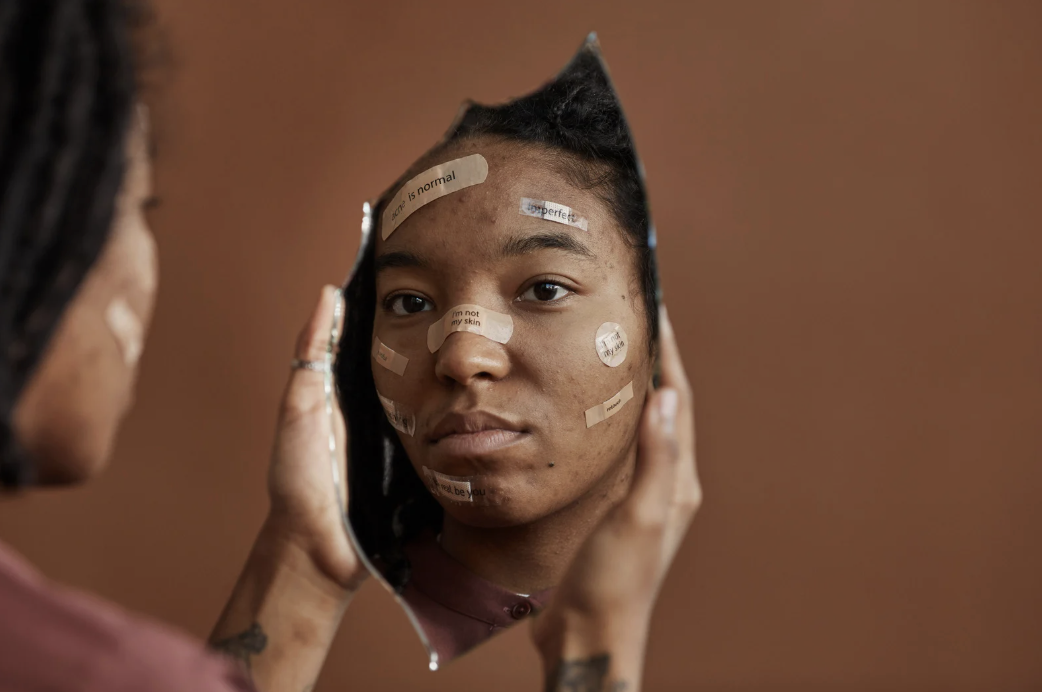
Many people can easily describe the version of themselves they show the world. They know how to be the employee, the student, the parent, the dependable friend, or the person who smiles, makes eye contact, laughs at the right moments, and appears calm even when they feel anything but.
But if you asked, “Who are you when no one else is around?” the answer might be much harder to find. For many neurodivergent individuals and trauma survivors, years of adapting to fit in, stay safe, or avoid rejection can make it difficult to know where the mask ends and the authentic self begins.
Masking can be an incredibly effective survival strategy. It can help someone navigate school, work, relationships, or environments that feel socially confusing or emotionally unsafe. But it can also become exhausting. Over time, people may begin wondering, “Am I pretending?” “Do people actually know me?” or “Who would I be if I stopped trying so hard to fit in?”
Those questions do not necessarily mean something is wrong with you. Often, they are signs that you have spent a long time learning how to adapt.
What Does “Masking” Actually Mean?
Masking refers to consciously or unconsciously hiding, suppressing, changing, or compensating for parts of yourself in order to meet expectations or avoid negative consequences. For neurodivergent people, this may involve compensating for traits associated with ADHD, autism, or other neurodevelopmental differences. For trauma survivors, masking may develop as a way to reduce conflict, avoid rejection, or increase a sense of safety.
Masking can look like forcing eye contact even when it feels uncomfortable, rehearsing conversations before social situations, studying other people’s facial expressions and body language, suppressing stimming or fidgeting, hiding sensory sensitivities, copying social behaviors, or pretending to understand unwritten social rules. It can also mean laughing when something is not funny, smiling when you feel overwhelmed, constantly monitoring how you are being perceived, or changing yourself depending on what feels safest in a particular environment.
Most people adjust their behavior to some degree depending on the setting. The difference is often how much energy that adjustment requires, how automatic it becomes, and how much it affects daily functioning. When masking leaves someone chronically exhausted, disconnected from themselves, or unsure of who they are outside other people’s expectations, it may be worth exploring more closely.
Why Do People Learn to Mask?
People rarely wake up one day and consciously decide to start masking. It usually develops gradually through repeated experiences that send the message, “The way I naturally am is not acceptable here.” Sometimes those messages are direct, such as being told to stop fidgeting, make more eye contact, be less sensitive, quiet down, speak up, or “act normal.”
Other messages are much more subtle. Maybe you noticed that classmates laughed when you misunderstood a social cue. Perhaps teachers praised children who behaved differently than you did. You may have discovered that hiding your needs prevented arguments or that showing certain emotions made other people uncomfortable. Little by little, you learned which parts of yourself seemed acceptable and which parts were safer to keep hidden.
Trauma can strengthen this process even further. When an environment feels emotionally or physically unpredictable, the nervous system naturally begins paying attention to what might increase safety. The question becomes, “What do I need to do to prevent conflict, rejection, or harm?” For some people, the answer becomes changing themselves—becoming quieter, more agreeable, less emotional, more helpful, or whatever version feels safest in that environment.
Masking is often an adaptation. It is not a character flaw.
How Neurodivergent Individuals Learn to Blend In
Many neurodivergent children become exceptionally skilled observers. They watch how classmates interact, memorize common social responses, and study tone of voice, facial expressions, gestures, humor, and body language. Instead of certain social expectations feeling intuitive, they may learn them almost like a set of rules.
From the outside, that person may appear socially comfortable and confident. Internally, however, they may be constantly evaluating themselves: “Was that the right thing to say? Did I make enough eye contact? Why did everyone laugh? Should I laugh too? Am I talking too much—or not enough?”
That constant self-monitoring requires a tremendous amount of mental energy. By the end of school, work, or a social event, someone may feel completely depleted. That exhaustion does not necessarily mean they dislike being around people. It may mean that interacting with others requires continuously observing, analyzing, adjusting, and editing themselves.
Masking Doesn’t Always Look the Same
There is no single way masking looks. Two people with very similar neurodevelopmental differences may learn completely different strategies for blending in. One person may become quiet and withdrawn, while another becomes extremely social. Someone with executive functioning difficulties may appear incredibly organized because they rely on detailed calendars, reminders, routines, and backup plans to keep everything together.
Other people may use humor to cover uncertainty, become perfectionists to prevent criticism, or turn into chronic people-pleasers because keeping everyone else happy feels safer. Some avoid situations that feel overwhelming, while others force themselves into every situation despite significant anxiety or exhaustion.
Masking is shaped by personality, family expectations, culture, gender, environment, previous experiences, and what a person has learned will help them feel accepted or safe. That is why there is no universal presentation of masking. The behavior you see on the outside does not always reveal how much effort is happening underneath it.

High-Functioning Doesn’t Mean You’re Not Struggling
One of the most common misconceptions about neurodivergence is that if someone appears successful, they must not be struggling very much. People may hear things like, “But you have a good job,” “You make friends easily,” “You did well in school,” or “You seem so confident.”
What others often do not see is the effort required to maintain that appearance. Someone may need hours to recover after social interactions, feel mentally exhausted by the end of the day, experience sensory overload, anxiety, burnout, or emotional shutdown, or struggle to complete basic responsibilities after using so much energy to appear “fine.”
This is one reason the term “high-functioning” can be misleading. What looks like high functioning from the outside may actually reflect high compensation. A person may be succeeding because they have developed elaborate systems, routines, scripts, or coping strategies—not because things are easy for them.
Success does not erase struggle. Sometimes it simply makes the struggle less visible.
How Masking Can Delay ADHD or Autism Diagnosis
Masking is one reason many people are not identified as having ADHD or autism until adolescence or adulthood. Historically, diagnostic understanding was heavily shaped by research and clinical presentations that often focused on young White boys with more obvious or stereotypical traits. As a result, many people whose symptoms looked different were overlooked.
Girls and women, people assigned female at birth, racial and ethnic minorities, LGBTQ+ individuals, gifted people, highly verbal individuals, and people raised in cultures with strong expectations around obedience, achievement, emotional control, or social conformity may be especially likely to develop ways of blending in. Cultural expectations, family values, stereotypes, and bias can all influence how behavior is interpreted.
A quiet child may be viewed as shy rather than socially overwhelmed. A highly organized student may receive praise without anyone realizing how much effort is required to stay organized. A child with excellent grades may still have significant executive functioning challenges that remain hidden because their academic performance looks strong.
This is why comprehensive, culturally responsive assessment matters. ADHD or autism should not be identified—or ruled out—based on stereotypes. A thoughtful evaluation considers developmental history, environment, culture, lived experience, current functioning, and the ways someone may have learned to compensate over time.
Unmasking Isn’t About Changing Overnight
When people first learn about masking, they sometimes feel pressure to stop doing it immediately. But healthy unmasking is usually much more gradual. Most people adjust parts of themselves depending on the situation, and some masking can still serve a practical or protective purpose.
A more helpful question is, “Where can I safely be more authentic?” For one person, that might mean wearing more sensory-friendly clothing or allowing themselves to stim in a trusted environment. For someone else, it may mean being more honest about needing downtime, saying no to overwhelming social events, using accommodations at work or school, communicating more directly, or letting trusted people see more of who they really are.
Unmasking is not about abandoning every coping strategy or revealing every part of yourself to everyone. It is about reducing the emotional cost of constantly pretending and creating more spaces where you do not have to work so hard to be accepted.
How Therapy Can Support Healthy Unmasking

Therapy can provide a space where masking becomes easier to notice. Many people have been adapting for so long that they no longer realize how much effort certain interactions require. A therapist may ask questions like, “How much energy did that conversation take?” “Was that response what you really wanted to say, or what felt safest to say?” or “When do you feel most like yourself?”
These questions can help someone begin separating healthy adaptation from constantly disappearing into other people’s expectations. Therapy may also support identity exploration, trauma processing, boundary-setting, self-compassion, emotional regulation, burnout recovery, and the development of accommodations that make everyday life feel more manageable.
The goal is not to remove every mask. Most people adjust parts of themselves depending on the setting. The goal is to create more places where masking is no longer necessary for safety, acceptance, or belonging.
You Don’t Have to Earn Acceptance by Hiding Who You Are
Many people spend years believing they have to become someone different before they deserve connection. They work harder, smile more, talk less, talk more, suppress their needs, hide their sensitivities, and become whatever version of themselves seems easiest for other people to accept.
Over time, that can create a painful kind of loneliness. People may know and care about the version of you that you have learned to present, while parts of you remain carefully hidden underneath.
Healing often begins with a different belief: you do not have to earn acceptance by becoming someone else. Authenticity does not mean every person will understand you, and it does not mean sharing every part of yourself with everyone. It means creating relationships where more of your energy can go toward genuine connection instead of constant performance.
How Prospering Minds Counseling Can Help
At Prospering Minds Counseling, we provide neurodiversity-affirming and trauma-informed therapy for children, teens, and adults exploring ADHD, autism, masking, trauma, identity, anxiety, emotional regulation, and burnout.
Whether you are considering an evaluation, recently received a diagnosis, or are simply beginning to recognize patterns that have been present for years, therapy can provide a place to better understand yourself without judgment. Our therapists can help you explore the emotional impact of masking, process trauma and attachment experiences, reduce shame and self-criticism, build healthier boundaries, strengthen executive functioning strategies, recover from burnout, and gradually create more space for authenticity.
You deserve relationships where you are valued for who you are—not only for how well you perform, adapt, or blend in.
To learn more or schedule an appointment with Prospering Minds Counseling, call 708-680-7486 or email intake@prosperingmc.com.
You may have spent years asking, “Who do I need to become for other people?”
Healing invites a different question:
“Who have I been all along?”
