
Trauma and PTSD in Firefighters and Paramedics: Caring for Yourself Is Part of the Job
Trauma and PTSD in Firefighters and Paramedics: Caring for Yourself Is Part of the Job
Carly Wolfram, Licensed Clinical Professional Counselor (LCPC), Doctoral CandidateTrauma and PTSD are common among firefighters, paramedics, EMTs, and first responders who are repeatedly exposed to crisis, grief, injury, and loss. This article explains why therapy is not a sign of weakness, but a form of emotional wound care for the nervous system. It also addresses stigma in first responder culture, confidentiality concerns, and why caring for yourself matters when your job is caring for others.
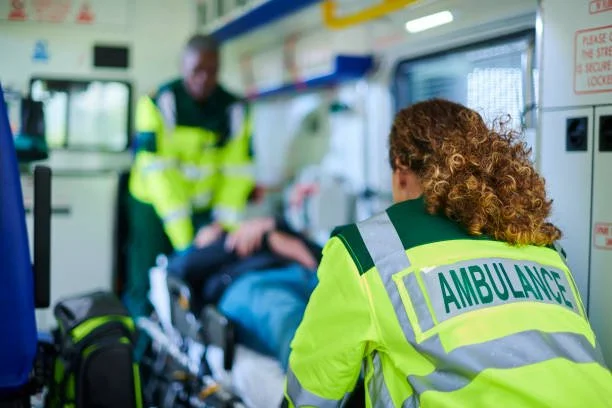
Firefighters and paramedics are trained to run toward what most people run away from.
You arrive when someone’s life has changed in an instant. You enter homes, highways, fires, medical emergencies, violent scenes, overdose calls, accidents, and moments of unimaginable grief. You stay calm when others are panicking. You make decisions quickly. You care for people on the worst days of their lives.
But even the strongest nervous systems are not designed to absorb crisis after crisis without support.
For many first responders, trauma does not come from one single event. It builds slowly. A difficult call. A child injury. A death that reminds you of someone you love. A scene you cannot forget. A shift where you had to keep going even though something inside you felt shaken.
Over time, those experiences can stay with you.
And needing support does not mean you are weak.
It means you are human.
Firefighters and Paramedics Carry More Than the Gear
The physical demands of emergency work are obvious. The emotional demands are often less visible.
First responders are often expected to be composed, capable, and ready for the next call. There may be little time to process what just happened before another emergency comes in. Many firefighters and paramedics learn to compartmentalize because, in the moment, they have to.
Compartmentalizing can help you function during a crisis.
But when the body and brain never get a chance to process what happened, trauma can begin to show up in other ways.
You may notice:
Trouble sleeping
Nightmares or disturbing dreams
Feeling numb or detached
Irritability or anger
Anxiety before or after shifts
Avoiding reminders of certain calls
Feeling constantly on edge
Drinking more to decompress
Pulling away from family or friends
Feeling guilt, shame, or helplessness
Replay memories of calls you wish had ended differently
These symptoms are not character flaws. They are signs that your nervous system may still be carrying something.
PTSD in First Responders Is Not Always Obvious
Post-traumatic stress disorder, or PTSD, can develop after exposure to traumatic events. For firefighters and paramedics, exposure can be repeated and cumulative.
PTSD does not always look like someone “falling apart.” Many first responders with trauma symptoms continue to show up, work hard, take care of others, and appear completely fine on the outside.
Internally, though, they may feel exhausted, disconnected, hyperalert, or haunted by specific memories.
Some people experience PTSD as flashbacks or nightmares. Others experience it as emotional shutdown, anger, avoidance, or feeling like they can never fully relax.
You may tell yourself:
“I should be used to this by now.”
“Other people have seen worse.”
“This is just part of the job.”
“I don’t want to burden anyone.”
“I’m fine.”
But trauma does not disappear just because you are trained, experienced, or highly capable.
Treating Emotional Wounds Like Physical Wounds
If you were injured on a call, you would not ignore a deep wound and say, “I should be tough enough to handle this.”
You would clean it. You would treat it. You would monitor it. You would seek medical care if needed.
Emotional trauma deserves the same kind of attention.
Therapy is not about being broken. It is not about weakness. It is not about losing your edge or your ability to do the job.
Therapy is wound care for the nervous system.
It gives your brain and body a place to process what has been stored, pushed down, or carried silently.
Just like untreated physical wounds can become infected or worsen over time, untreated trauma can begin to affect sleep, relationships, mood, health, and your ability to feel present in your life outside of work.
Seeking therapy is not stepping away from strength.
It is taking care of the part of you that helps you keep showing up.
Caring for Others Does Not Mean Ignoring Yourself
Firefighters and paramedics are often deeply committed to service. You may be used to putting everyone else first: patients, partners, crew members, family, the community.
But caring for others cannot come at the cost of abandoning yourself.
You are not only a responder. You are also a person with a body, a nervous system, relationships, emotions, and limits.
You deserve support too.
Many first responders struggle with therapy because they worry the therapist will not understand the culture of the job. They may fear being judged, misunderstood, or seen as incapable. A trauma-informed therapist understands that first responder trauma is complex. The goal is not to force you to talk about every detail before you are ready.
The goal is to help your nervous system process what it has been carrying in a safe, respectful way.
How Therapy Can Help Firefighters and Paramedics
Therapy can support first responders by helping them process traumatic calls, reduce nervous system activation, improve sleep, manage anxiety, and reconnect with life outside of work.
Depending on your needs, therapy may include:
Trauma-informed talk therapy
Brainspotting
EMDR
Somatic or body-based therapy
Parts work
Anxiety treatment
Support for depression, burnout, or compassion fatigue
Coping tools for triggers, sleep, and emotional regulation
For many firefighters and paramedics, therapy is not about retelling the same story over and over. It is about helping the brain and body complete the processing that was interrupted during survival mode.
When you are responding to an emergency, your body is focused on action. Later, when the danger has passed, the nervous system may still be stuck in that activated state.
Therapy helps create space for the body to realize, “That moment is over now.”
You Do Not Have to Wait Until You Are in Crisis
Many first responders wait until symptoms become unbearable before reaching out. But therapy does not have to be a last resort.
You do not have to wait until your marriage is strained, your sleep is gone, your anger feels out of control, or you dread going to work.
Therapy can be preventative.
It can be maintenance.
It can be part of staying healthy in a career that asks a lot from you.
Just as firefighters and paramedics train, debrief, check equipment, and maintain physical readiness, emotional care can become part of long-term resilience.
The Stigma Is Real, But Support Can Still Be Private
In many firehouses, EMS teams, and first responder environments, there can be an unspoken pressure to “handle it,” stay tough, and not let the job affect you. Many firefighters and paramedics worry that going to therapy means they will be judged, seen differently, or viewed as unable to do their job.
That stigma is real.
But getting support does not mean your colleagues have to know.
Therapy is confidential. Your crew, supervisor, department, and coworkers are not notified simply because you choose to see a therapist. Seeking help is a private decision, and you are allowed to take care of your mental health without explaining it to everyone around you.
If you use insurance, your insurance company may receive certain information related to billing, such as a diagnosis code or dates of service. However, your colleagues will not have access to that information. If privacy is a major concern, you can also talk with your therapist about options for self-pay, documentation, and how insurance billing works.
The fear of being judged keeps many first responders from getting help they deserve.
But therapy is not a sign that you cannot do the job.
It is one way to care for the person who keeps showing up to do it.
A Different Way to Look at Strength
Strength is not pretending that nothing affects you.
Strength is noticing when something is affecting you and choosing to care for it.
Strength is being honest with yourself.
Strength is saying, “I have carried a lot, and I do not have to carry it alone.”
The work firefighters and paramedics do matters deeply. But your life matters too. Your peace matters. Your relationships matter. Your sleep matters. Your ability to come home and feel like yourself matters.
You spend your career helping others survive their hardest moments.
You deserve care for yours.
Therapy for Firefighters, Paramedics, and First Responders
At Prospering Minds Counseling, we understand that first responders are often exposed to repeated trauma, high stress, grief, and intense responsibility. Therapy can provide a confidential space to process what you have experienced, reduce PTSD symptoms, and support your emotional well-being.
Whether you are struggling with a specific call, cumulative trauma, burnout, anxiety, nightmares, emotional numbness, or feeling disconnected from yourself and others, support is available.
You do not have to wait until you are overwhelmed.
Taking care of yourself is not separate from the work.
It is part of sustaining the work.
Now accepting new clients.
We accept most major private insurance plans.
Prospering Minds Counseling
📞 Call: 708-680-7486
📧 Email:intake@prosperingmc.com
