
I’m an Adult—Should I Get Tested for ADHD or Autism?
I’m an Adult—Should I Get Tested for ADHD or Autism?
Carly Wolfram, Licensed Clinical Professional Counselor (LCPC), Doctoral CandidateThis article explores why increasing numbers of adults are pursuing ADHD and autism evaluations later in life. The article explains how lifelong challenges, masking, executive functioning difficulties, and increased awareness through social media have led many adults to reconsider experiences they once attributed to personal shortcomings. It also discusses how ADHD, autism, anxiety, and trauma can overlap, the benefits and limitations of formal evaluations, workplace and educational accommodations, and how therapy can support adults before and after diagnosis. Prospering Minds Counseling provides neurodiversity-affirming, trauma-informed therapy for adults exploring ADHD, autism, anxiety, executive functioning, and emotional regulation.
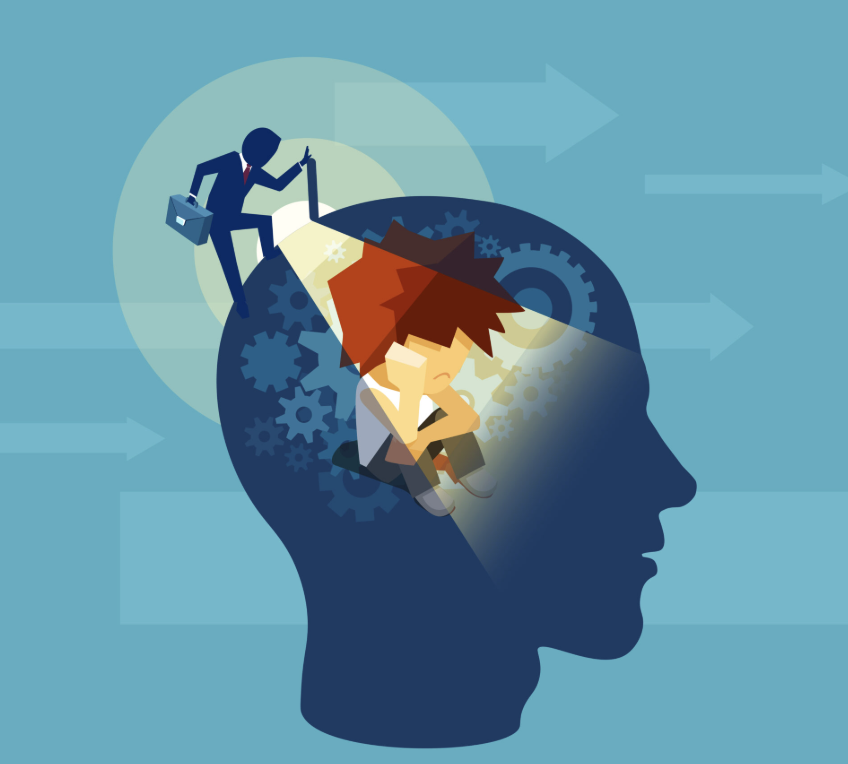
Have you ever felt like everyone else received a handbook for life that you somehow missed?
Maybe staying organized feels like a full-time job. You forget appointments unless they’re written down in multiple places. You replay conversations for hours, wondering if you said the wrong thing. Bright lights, loud restaurants, or crowded stores leave you feeling completely drained. Perhaps you dive into new projects with excitement but struggle to finish them, or you spend so much energy trying to “fit in” that you’re exhausted by the end of the day.
For years, you may have assumed these struggles were simply personality flaws. Maybe you told yourself you needed to be more disciplined, more organized, less sensitive, or better at managing your time. Then something changed. You read an article, listened to a podcast, watched a video, or learned more about ADHD or autism through a therapist, a friend, or even your child’s evaluation. Suddenly, experiences that once felt confusing began making a little more sense.
Today, more adults than ever are asking an important question: Should I get evaluated for ADHD or autism? For some people, a formal assessment provides clarity, validation, and access to helpful resources. For others, learning more about neurodivergence, working with a therapist, and building practical strategies may be enough without pursuing a diagnosis. There isn’t one right answer for everyone. Understanding what an evaluation can—and cannot—offer can help you decide what makes the most sense for your life.
Why More Adults Are Considering ADHD and Autism Evaluations
For many years, ADHD and autism were viewed primarily as childhood conditions. As a result, countless adults grew up without ever being evaluated, particularly women, people assigned female at birth, highly verbal individuals, gifted adults, and those who became exceptionally skilled at masking or camouflaging their differences. Many learned how to compensate so effectively that their struggles were overlooked by others—and sometimes even by themselves.
In recent years, awareness of neurodivergence has expanded significantly. Books, podcasts, advocacy organizations, researchers, clinicians, and people sharing their lived experiences have helped many adults recognize lifelong patterns they never had words for before. For some, the realization begins after their child is diagnosed and they notice striking similarities in themselves. Others have a therapist point out recurring traits, or they begin connecting the dots after years of wondering why certain aspects of life have always felt more difficult than they seem for other people.
Social media has also played a significant role in increasing awareness. Platforms like TikTok, Instagram, YouTube, and Reddit have introduced millions of people to concepts such as executive functioning challenges, autistic masking, sensory differences, hyperfocus, time blindness, emotional regulation, and autistic burnout. For many adults, these conversations have been deeply validating and have reduced the shame that often comes from believing they’ve simply been “lazy,” “too sensitive,” or “not trying hard enough.”
At the same time, it’s important to remember that social media is designed to educate and spark curiosity—not to diagnose. Short videos often simplify complex topics, and many experiences commonly discussed online, such as procrastination, forgetfulness, difficulty concentrating, sensory sensitivities, or social exhaustion, can occur for many different reasons. Anxiety, depression, trauma, chronic stress, sleep disorders, medical conditions, and other mental health concerns can all produce symptoms that overlap with ADHD or autism.
If a video, article, or podcast makes you think, “That sounds a lot like me,” it may be a meaningful starting point for self-reflection. But when those experiences are significantly affecting your work, relationships, daily functioning, or quality of life, a comprehensive evaluation by a qualified professional can provide a much more complete understanding of what’s contributing to your experiences and what types of support are likely to be most helpful.
When Lifelong Struggles Start Making More Sense

For many adults, the question of whether to pursue an ADHD or autism evaluation doesn’t come from a single event—it comes from looking back and realizing that certain challenges have been present for as long as they can remember. You may recognize a lifelong pattern of losing important items, forgetting deadlines, struggling to start or finish tasks, having difficulty maintaining routines, feeling overwhelmed by everyday responsibilities, missing social cues, feeling “different” from others, becoming overstimulated in busy environments, misjudging time, experiencing intense emotions, or finding it difficult to shift from one activity to another. Individually, these experiences may not seem unusual. Together, they can begin to tell a meaningful story.
Many adults also realize they’ve spent years developing creative ways to compensate for these challenges. Perhaps you’ve become incredibly organized because you’re afraid of forgetting something important. Maybe you arrive everywhere 30 minutes early because being late creates overwhelming anxiety. You might rely on detailed calendars, endless to-do lists, multiple reminders, or carefully planned routines just to stay on top of everyday responsibilities. These strategies can be incredibly effective, but they also require significant mental energy. From the outside, it may look like everything is under control, while behind the scenes you’re working much harder than others realize just to keep up.
For many people, these coping strategies begin to break down as adult responsibilities increase. Managing work, relationships, finances, parenting, household tasks, healthcare, and everyday life can place greater demands on executive functioning than previous stages of life. What once felt manageable suddenly becomes much more difficult. It’s often during these periods that adults begin asking whether there’s an underlying explanation for struggles they’ve experienced all along.
Masking Can Make Neurodivergence Harder to Recognize
One reason many adults go undiagnosed for years is something known as masking. Masking refers to consciously or unconsciously hiding, changing, or compensating for behaviors that feel different from those around you in an effort to fit in or avoid standing out. Many neurodivergent individuals become exceptionally skilled at masking without even realizing they’re doing it. They may carefully study other people’s facial expressions, rehearse conversations before social events, force themselves to maintain eye contact despite discomfort, suppress fidgeting, memorize social “rules,” or imitate the communication styles of coworkers, classmates, or friends.
From the outside, someone who masks well may appear confident, successful, and socially comfortable. Inside, however, they may feel like they’re constantly performing or trying to keep up with expectations that don’t come naturally. Many adults describe feeling emotionally drained after social interactions, needing long periods of recovery, experiencing frequent burnout, worrying excessively before conversations, or feeling unsure of who they really are beneath the version of themselves they present to the world.
Because masking can be so effective, many adults hear comments like, “But you don’t seem autistic,” “You’ve always done well in school,” “You have a successful career,” or “You seem perfectly fine.” While these statements are usually intended as reassurance, they often overlook the tremendous amount of effort required to appear that way. Success doesn’t mean something isn’t difficult. For many neurodivergent adults, the struggle isn’t always visible—it exists in the constant mental effort it takes to meet expectations that others seem to navigate with much less energy.
How ADHD and Autism Can Look Different in Adults
Adult ADHD often presents differently than childhood stereotypes suggest.
Rather than constantly running around, adults may struggle with:
Task initiation
Executive functioning
Time management
Organization
Emotional impulsivity
Hyperfocus
Forgetfulness
Mental restlessness
Difficulty prioritizing
Maintaining routines
Many adults with ADHD appear highly capable while privately relying on urgency, anxiety, or last-minute pressure to accomplish tasks.
Autism in adults can also look different than many people expect.
An autistic adult may experience:
Sensory sensitivities
Difficulty with unexpected changes
Strong preferences for routines
Deep interests in specific topics
Social fatigue
Literal communication
Difficulty understanding implied expectations
Burnout after prolonged social interaction
Intense need for recovery time
Masking in professional or social settings
Not every autistic adult dislikes socializing.
Many deeply value relationships.
The challenge often lies in the effort required to navigate social interactions rather than the desire to connect.
The Overlap Between ADHD, Autism, Anxiety, and Trauma
One of the reasons an ADHD or autism evaluation can be more complicated than people expect is that many conditions share similar symptoms. Difficulty concentrating, feeling overwhelmed, emotional outbursts, forgetfulness, social challenges, and fatigue can all have multiple explanations. For example, trouble focusing may be related to ADHD, but it can also occur with anxiety, depression, trauma, chronic stress, poor sleep, or certain medical conditions. Emotional regulation difficulties can be seen in ADHD, trauma, anxiety disorders, and mood disorders. Social withdrawal might reflect autism, social anxiety, depression, burnout, or the effects of a traumatic experience.
It’s also important to recognize that people can have more than one condition at the same time. Someone may have ADHD and anxiety, autism and PTSD, or ADHD and autism together. In some cases, years of living with an undiagnosed neurodevelopmental condition can also contribute to anxiety, depression, or chronic stress. Because of this overlap, a qualified clinician doesn’t rely on a checklist alone. A comprehensive evaluation looks at your developmental history, childhood experiences, family history, current functioning, and how your symptoms have changed over time. The goal isn’t simply to find a diagnosis—it’s to understand the full picture so treatment recommendations are as accurate and helpful as possible.
How a Diagnosis May Help With Treatment and Accommodations
For many adults, receiving a diagnosis is about much more than putting a name to their experiences. It can provide a framework for understanding lifelong patterns and help guide the next steps in treatment and support. Depending on your needs, a diagnosis may help shape therapy goals, inform conversations about ADHD medication, identify executive functioning strategies, clarify sensory needs, improve communication in relationships, and support requests for workplace or educational accommodations.
Many people also describe an emotional shift after receiving a diagnosis. They stop viewing themselves through the lens of personal failure and begin understanding that their brain processes information differently. Thoughts like, “I’m just lazy,” or “Why can’t I do what everyone else seems to do so easily?” are often replaced with greater self-compassion and a clearer understanding of their strengths and challenges. A diagnosis can’t change the experiences you’ve already had, but it can change the story you tell yourself about those experiences. For many, that’s one of the most healing parts of the process.
The Potential Benefits at Work, School, and in Relationships

Understanding how your brain works can have a meaningful impact on many areas of daily life. At work, a diagnosis may help you identify strategies that better match your thinking style, reduce burnout, improve organization, and, when appropriate, request reasonable workplace accommodations. Rather than trying to force yourself into systems that have never worked well, you can begin building routines and environments that support the way you naturally process information.
For adults who are in school or pursuing additional education, a diagnosis may also provide access to accommodations such as extended testing time, reduced-distraction testing environments, note-taking assistance, organizational supports, or executive functioning resources. These accommodations aren’t about making things easier—they’re designed to reduce barriers so you can demonstrate your knowledge and abilities more accurately.
A diagnosis can also improve relationships. Partners, family members, and close friends often gain a better understanding of why certain situations feel overwhelming, why transitions may be difficult, or why executive functioning challenges affect everyday responsibilities. Instead of interpreting these struggles as a lack of effort or motivation, loved ones can begin to recognize them as differences in how the brain processes information. Perhaps most importantly, many adults begin extending that same understanding to themselves, replacing years of self-criticism with greater patience, self-compassion, and acceptance.
The Cons: Cost, Time, and Access to Qualified Evaluators
While a formal evaluation can be incredibly valuable, it’s important to recognize that the process isn’t always simple. Comprehensive ADHD and autism evaluations can be expensive, and insurance coverage varies widely. In many areas, waitlists for qualified evaluators can stretch for months. Finding a clinician with experience assessing adults is also important, especially for individuals who have spent years masking or whose presentations don’t fit the more traditional childhood stereotypes. An evaluator who primarily works with children may be less familiar with how ADHD or autism can appear in adulthood, particularly in women, people assigned female at birth, or individuals who have developed strong coping strategies over many years.
The evaluation process itself can also be emotionally demanding. Looking back on childhood experiences, school struggles, relationship challenges, or years of feeling misunderstood may bring up grief, frustration, anger, or sadness. Some people feel relief simply from finally being heard, while others need time to process what they’ve learned about themselves. It’s also important to remember that an evaluation doesn’t always lead to the diagnosis someone expected. Sometimes symptoms are better explained by anxiety, trauma, depression, chronic stress, sleep disorders, medical conditions, or another mental health concern. Even when the outcome is different than anticipated, a thorough evaluation can still provide valuable insight and help guide more effective treatment.
Is Testing Worth It? The Answer Depends on What You Hope to Gain
There isn’t a single right answer to whether every adult should pursue testing for ADHD or autism. For some people, receiving a diagnosis is life-changing. It provides validation, improves self-understanding, opens the door to accommodations, informs treatment decisions, or helps explain struggles that have never fully made sense. For others, therapy, education, and practical coping strategies provide the support they need without pursuing a formal diagnosis. Neither path is inherently better—the right decision depends on your goals and circumstances.
If you’re unsure whether testing would be helpful, it may be useful to reflect on a few questions. What am I hoping to gain from an evaluation? Would the results change my treatment or help me access accommodations? Am I considering medication for ADHD? Would having a diagnosis reduce years of self-blame or help me better understand lifelong patterns? Would knowing more about how my brain works allow me to build a life that better supports my strengths and challenges? Your answers can help clarify whether pursuing a formal assessment feels worthwhile for you.
Whether you decide to seek testing or not, one thing remains true: your experiences are real. You don’t have to “earn” support by receiving a diagnosis, and you don’t need to prove that your struggles are legitimate before you deserve help. Understanding yourself with greater compassion, learning strategies that fit the way your brain works, and building a life that supports your well-being are valuable goals—regardless of what a formal evaluation ultimately says.
How Prospering Minds Counseling Can Help You
At Prospering Minds Counseling, we work with adults who are exploring questions about ADHD, autism, anxiety, trauma, executive functioning, masking, and emotional regulation.
Whether you are considering a formal evaluation, recently received a diagnosis, or are simply trying to better understand yourself, therapy can provide a supportive place to explore your experiences without judgment.
Our therapists can help you:
Explore lifelong patterns and challenges
Understand masking and neurodivergent burnout
Differentiate between anxiety, trauma, ADHD, and autism-related experiences
Develop executive functioning strategies
Improve emotional regulation
Reduce shame and increase self-compassion
Navigate relationships after a diagnosis
Process grief related to late diagnosis
Build routines that work with your brain rather than against it
Prepare for or make sense of a comprehensive evaluation
We also collaborate with clients who have already completed psychological testing, helping them translate evaluation results into practical changes in daily life.
To learn more or schedule an appointment with Prospering Minds Counseling, call 708-680-7486 or email intake@prosperingmc.com.
A diagnosis is not about placing yourself into a box.
At its best, it helps explain why certain things have always felt harder—and provides a roadmap for building a life that works with your brain instead of constantly fighting against it.
