
Post-Traumatic Growth and Identity: Who Am I After What Happened?
Post-Traumatic Growth and Identity: Who Am I After What Happened?
Carly Wolfram, Licensed Clinical Professional Counselor (LCPC), Doctoral CandidatePost-Traumatic Growth and Identity: Who Am I After What Happened? explores how trauma can reshape identity, relationships, values, boundaries, and a person’s sense of the future. The article discusses grieving the person you were before, recognizing survival roles, finding your voice after powerlessness, and discovering new strengths without romanticizing trauma. It also explains how healing can involve building a new identity rather than returning to an “old self.” Prospering Minds Counseling supports individuals navigating trauma recovery, identity changes, grief, self-advocacy, and post-traumatic growth.
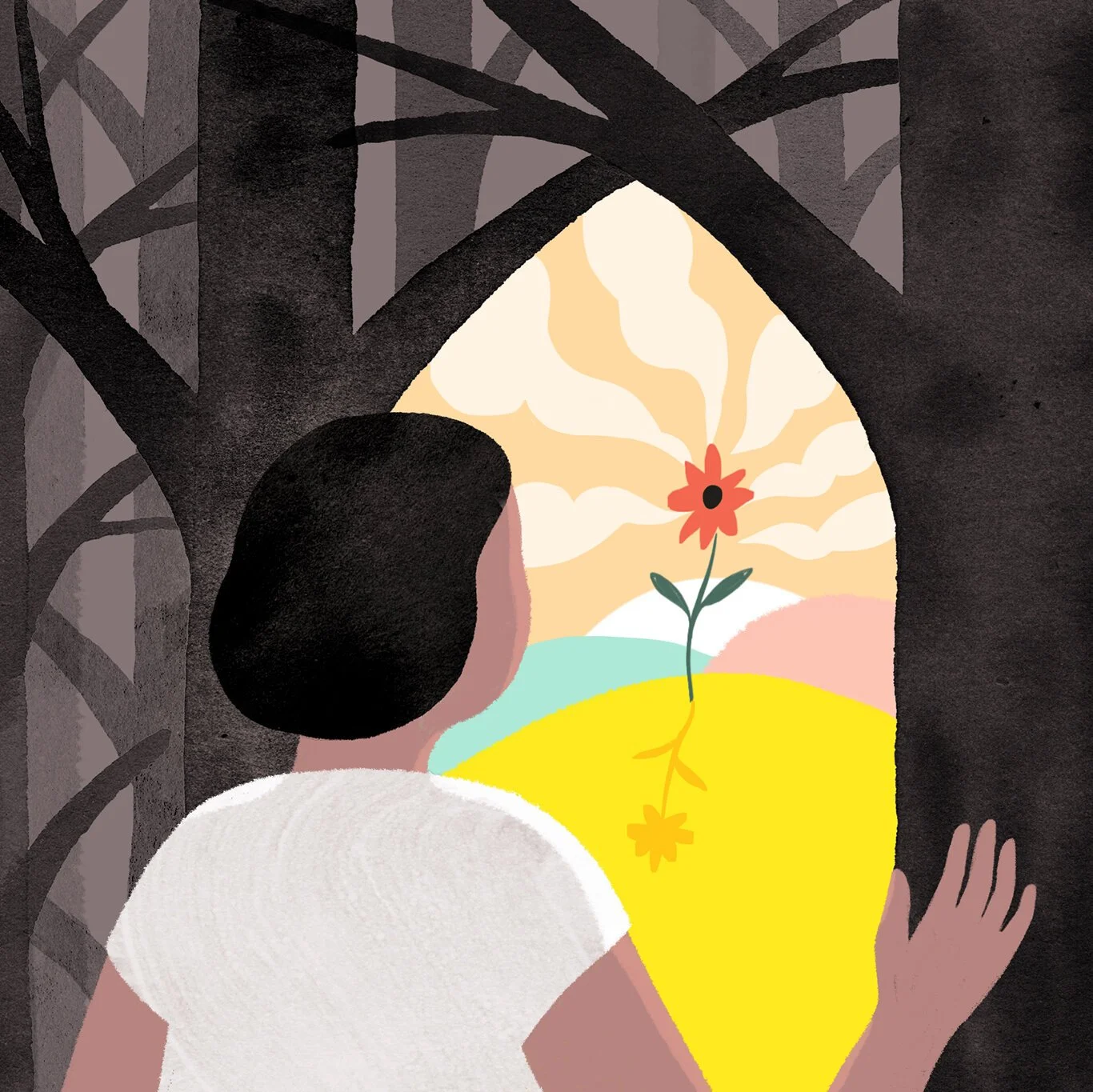
Moving beyond the simple question of how to heal, trauma often forces you to confront deeper questions about your identity.
You might find yourself wondering:
"Who have I become now?"
"What parts of my true self are left?"
"Have I always been this anxious, angry, guarded, or detached?"
"Is it possible to rebuild myself without acting like what happened was acceptable?"
Trauma shifts your perspective on the world, your relationships, and your self-image, often causing long-standing roles, values, goals, and beliefs to feel completely unfamiliar.
Longing for the person you were before is common, yet you recognize that returning to that former version is no longer possible.
This creates a distressing identity gap: the past self feels out of reach, the future self remains unclear, and the present feels entirely defined by survival mode.
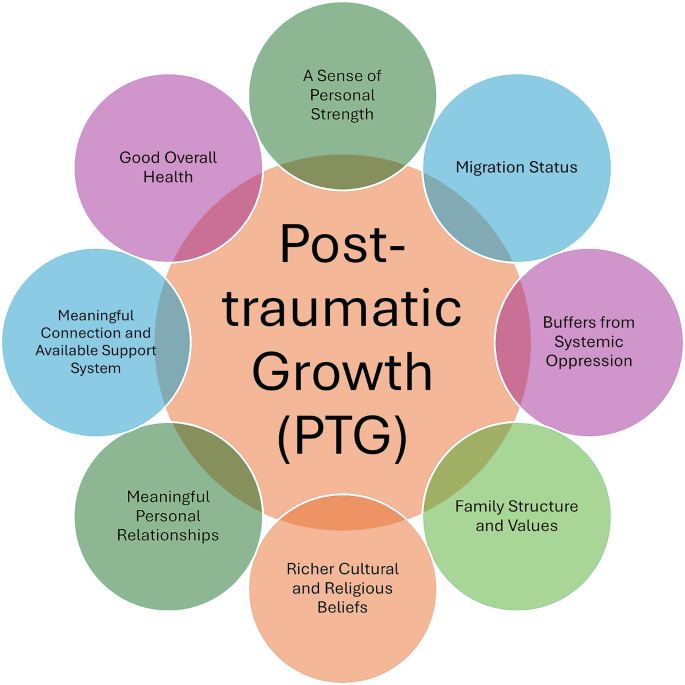
Experiencing post-traumatic growth does not suggest the trauma was good, necessary, or something to be thankful for. Instead, it signifies the meaningful psychological adjustments that occur as you actively rebuild your life in the aftermath.
Such growth can exist alongside ongoing grief, symptoms, anger, and a continuous need for support.
Ultimately, you do not need to wipe away the trauma to evolve into someone greater than what you experienced.
Trauma Can Change More Than How We Feel
Trauma is often discussed in terms of symptoms. You may experience anxiety, nightmares, intrusive memories, avoidance, hypervigilance, emotional numbness, shame, or difficulty trusting others.
But trauma can also change identity.
You may begin seeing yourself as weak, damaged, unsafe, difficult, or permanently changed. You may lose confidence in your judgment or question why you responded the way you did. The world may feel less predictable. Relationships may feel less secure. Your previous plans may no longer make sense.
Trauma may affect:
What you believe about yourself
Who you trust
What feels important
How much control you need
Whether you feel safe being visible
How you respond to vulnerability
What you expect from relationships
How you imagine the future
These changes can feel confusing because they are not always obvious to other people. Someone may say, “You survived,” while you are still trying to understand who survived and what that person needs now.
When Your Old Identity No Longer Fits
Before the trauma, you may have described yourself as trusting, independent, easygoing, ambitious, social, optimistic, or spontaneous. Afterward, those words may feel unfamiliar.
You may need more reassurance, structure, distance, privacy, or control than you did before. You may feel less interested in old activities or less willing to tolerate relationships that once felt acceptable. This can feel like losing yourself.
It may also reflect adaptation. Your nervous system and identity may have reorganized around what was necessary to survive. If the world became dangerous, caution made sense. If someone violated your trust, guardedness may have protected you. If you felt powerless, control may have become essential. The difficulty comes when survival strategies continue shaping your identity long after the danger has passed.
You may begin believing:
“I am not a trusting person.”
“I am too much.”
“I am cold now.”
“I cannot depend on anyone.”
“I will never feel like myself again.”
But a trauma response is not the same as a permanent personality trait. You may be carrying strategies that became necessary. That does not mean they define the whole of who you are.
Grieving the Person You Were Before
Healing may include grief for your previous self. You may miss the version of you who felt less afraid, less suspicious, more hopeful, or more open.
You may grieve lost time, interrupted goals, changed relationships, or opportunities you could not pursue while surviving. This grief can be complicated. You may feel pressure to focus only on resilience or gratitude. Others may expect you to celebrate how strong you have become.
But strength does not cancel loss. You can appreciate how you survived and still mourn what survival cost.
You may grieve:
The ease you once felt
The ability to trust without fear
A relationship or community you lost
A future you expected to have
Parts of your body or identity that feel changed
The belief that certain things could never happen to you
The time and energy recovery has required
Grieving does not mean you are stuck in the past. It means you are acknowledging that something meaningful was taken, changed, or disrupted. You do not have to rush yourself into becoming inspirational.
Survival Roles Can Become Part of the Self
Trauma can push people into roles that help them survive. You may become the caretaker, peacekeeper, protector, achiever, invisible one, problem-solver, or person who never needs help. These roles can become deeply tied to identity.
You may say:
“I am the strong one.”
“I am the person everyone depends on.”
“I am always prepared.”
“I do not let people get close.”
“I handle things on my own.”
These identities may feel empowering in some ways. They may also become restrictive. The strong one may feel unable to cry. The caretaker may feel guilty receiving support. The protector may struggle with intimacy. The achiever may believe rest is unsafe. The invisible one may have difficulty expressing needs. A survival role is not fake. It is part of your story. But it may not be the only part.
Healing can involve asking:
“Who did I need to become to survive?”
“What did that role protect me from?”
“What does it cost me now?”
“Who might I become if I did not have to stay in that role all the time?”
The goal is not to reject the parts of you that kept you safe. It is to give them more choices.
Who Are You Outside of What Happened to You?
Trauma can become so central that it begins organizing your entire identity. Your schedule may revolve around treatment. Your relationships may be shaped by triggers. Your thoughts may repeatedly return to what happened, why it happened, and what it changed. This focus can be necessary, especially early in healing.
But eventually, you may begin wondering whether there is room for anything else. You are not only what happened to you. You are also your values, humor, preferences, relationships, interests, contradictions, skills, hopes, and choices. You may not know exactly who you are outside of trauma yet.
Start with smaller questions:
What still makes me curious?
What feels meaningful?
What kind of person do I want to be in relationships?
What do I enjoy when I am not performing or protecting?
What do I believe now?
What do I want more of in my life?
What parts of myself feel underdeveloped rather than lost?
What would I try if fear did not make every decision?
Identity does not have to be discovered all at once. It can be rebuilt through repeated experiences of choice.
Healing Does Not Mean Returning to Your “Old Self”
Many people enter therapy hoping to “get back to who I was.” That longing makes sense. You may want the symptoms to stop and life to feel familiar again.
But healing does not always mean returning. The person you were before did not know what you know now. You have been changed by what happened, by what you lost, and by the work required to survive.
This does not mean trauma improved you. It means healing may involve integration rather than restoration.
You may carry parts of your old self forward while developing new boundaries, awareness, priorities, and strengths.
You may become more cautious without becoming closed. More discerning without becoming disconnected. More compassionate without abandoning yourself. More aware of danger without allowing fear to control your entire life. The goal is not to erase every change. It is to decide which changes you want to keep, which ones you want to soften, and which ones no longer serve you.
Discovering New Strengths Without Romanticizing Survival
Post-traumatic growth can include increased confidence, deeper relationships, clearer priorities, stronger boundaries, spiritual change, or a greater appreciation for life.
But these outcomes should not be used to romanticize trauma. You did not need to suffer in order to deserve strength. You do not have to identify a positive lesson. You do not owe anyone a story about how trauma made you better. Growth may emerge, but it does not justify what happened.
It is possible to say:
“I wish this had never happened.”
and:
“I have learned things about myself through healing.”
Both statements can be true.
You may discover that you are more resourceful than you realized. You may become more willing to ask for help, more aware of your boundaries, or less willing to abandon yourself for approval. These strengths are yours. The trauma did not gift them to you. You developed them through the work of surviving and rebuilding.
How Trauma Can Clarify Values and Priorities
Trauma can disrupt assumptions about what matters. Goals that once seemed urgent may feel less important. Relationships may look different. You may become more aware of how limited time and energy are.
This can lead to painful reevaluation.
You may recognize that a career no longer fits, that a relationship is unsafe, or that certain expectations were never truly yours. You may also become clearer about what you value.
Perhaps you value honesty more than approval. Rest more than constant productivity. Connection more than image. Safety more than keeping the peace. Choice more than tradition. Meaning more than achievement. Your values do not remove fear, but they can offer direction. When you do not know exactly who you are, you can still ask:
“What choice moves me closer to the kind of life I want to build?”
Identity often becomes clearer through value-based action.
Finding Your Voice After Feeling Powerless
Trauma frequently involves a loss of power. You may not have been able to stop what happened, leave safely, speak freely, or be believed.
Afterward, using your voice may feel dangerous. You may struggle to say no, ask for help, correct someone, express anger, or name what you need. You may expect rejection, punishment, or dismissal. Reclaiming your voice does not require becoming confrontational.
It may begin with:
“That does not work for me.”
“I need more time.”
“I disagree.”
“I do not want to discuss that.”
“I need support.”
“What happened was not okay.”
Finding your voice can also involve telling your story on your terms—or deciding not to tell it. You are allowed to choose who knows, how much they know, and when you speak. Your voice is not only your trauma narrative. It is also your ability to state preferences, make decisions, set limits, pursue goals, and participate in your own life.
Making Space for Joy, Curiosity, and Possibility
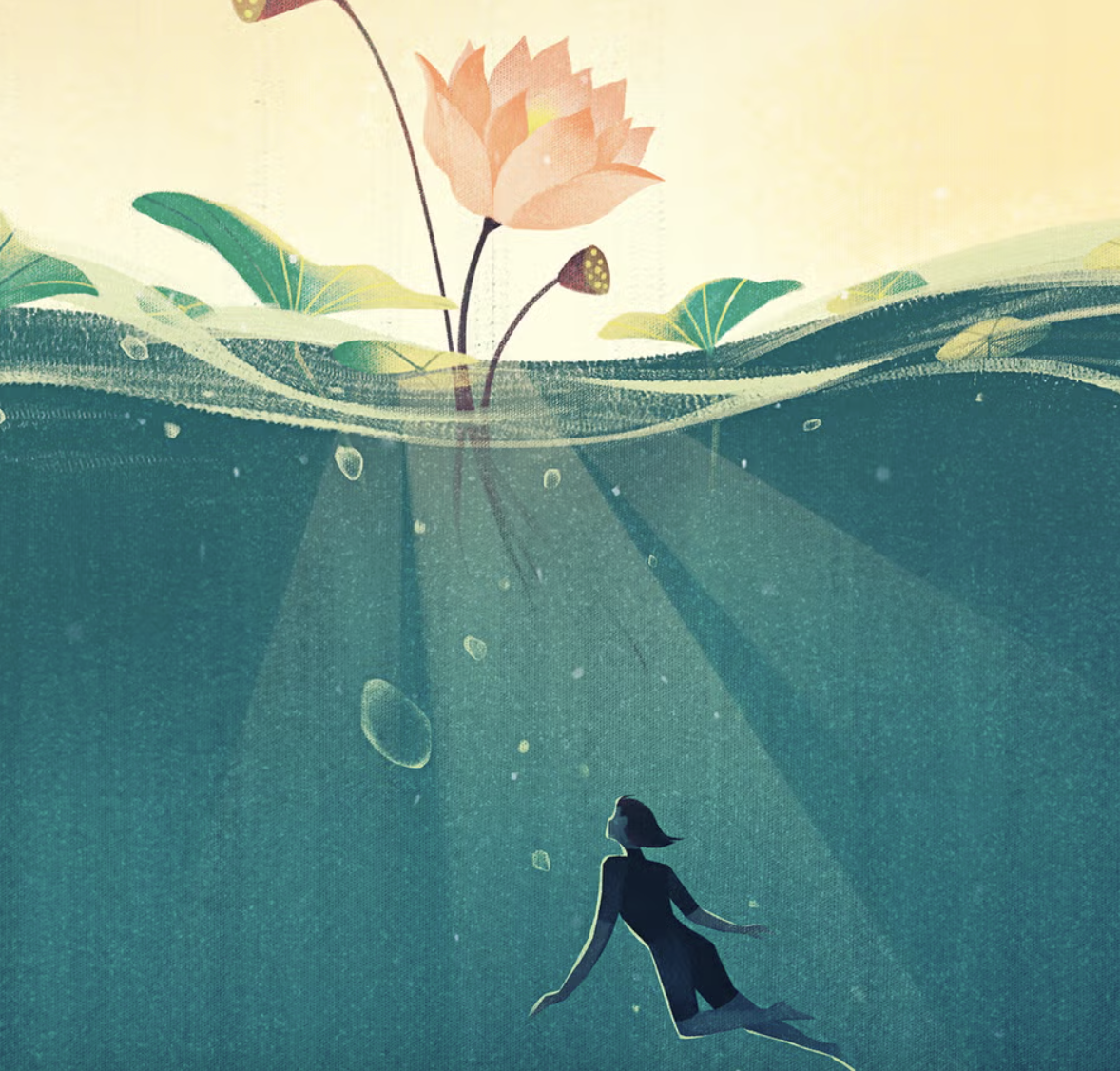
Joy can feel complicated after trauma. You may feel guilty for enjoying yourself, worried that something bad will happen, or disconnected from activities that once felt meaningful. Sometimes, suffering becomes so familiar that calm feels suspicious. Making space for joy does not mean ignoring pain. It means allowing your life to contain more than pain.
Start small. Notice what brings even a moment of interest, relief, comfort, or aliveness.
This might include:
Music
Movement
Creativity
Nature
Humor
Food
Learning
Friendship
Travel
Spiritual practice
Play
Rest
You do not have to feel fully healed before experiencing something good. Curiosity can also be part of recovery. Instead of asking only, “How do I stop feeling this way?” you might ask:
“What else could be possible?”
“What part of myself would I like to explore?”
“What would I like my life to include now?”
A future may feel difficult to imagine at first. Possibility often returns in small pieces.
Growth Does Not Erase the Need for Support
Post-traumatic growth is sometimes misunderstood as a final stage in which someone no longer struggles.
But growth and pain can coexist.
You may have stronger boundaries and still experience flashbacks. You may feel more confident and still become triggered. You may have built a meaningful life and still grieve what happened. Healing is not invalidated by difficult days. Needing therapy, medication, community, or practical support does not mean you have failed to grow. Growth does not require independence from everyone.
In fact, one form of growth may be learning that you no longer have to survive alone. Support can help you integrate what happened without allowing it to become your entire identity.
How Prospering Minds Counseling Can Help You
Trauma can affect your identity, relationships, beliefs, goals, sense of safety, and ability to imagine the future.
At Prospering Minds Counseling, our therapists can help you process the emotional impact of trauma while exploring who you are beyond survival.
Therapy may help you:
Understand how trauma has affected your identity
Grieve changes, losses, and interrupted parts of your life
Recognize survival roles and protective patterns
Develop a more compassionate understanding of trauma responses
Reconnect with values, interests, and goals
Strengthen boundaries and self-advocacy
Find your voice after experiences of powerlessness
Build trust in yourself and your decisions
Make space for joy, connection, and possibility
Integrate growth without minimizing the harm you experienced
Create an identity that includes—but is not defined by—your trauma
You do not have to return to the person you were before.
You can become someone who honors what happened, understands how it changed you, and still has the freedom to choose what comes next.
To learn more or schedule an appointment with Prospering Minds Counseling, call 708-680-7486 or email intake@prosperingmc.com.
You are not only the person who survived.
You are also the person who gets to decide how the next part of your story is lived.
