
What Is Play Therapy? A Parent’s Guide
What Is Play Therapy? A Parent’s Guide to Understanding How Children Heal Through Play
Carly Wolfram, Licensed Clinical Professional Counselor (LCPC), Doctoral CandidateThis blog helps parents understand how play therapy supports children’s emotional, behavioral, and social development. The article explains why children naturally communicate through play, how play therapy differs from simply playing with toys, what ages benefit most, and common reasons families seek treatment, including anxiety, ADHD, trauma, grief, behavioral concerns, and major life transitions. Parents will also learn what to expect from the therapeutic process and how play therapy helps children express emotions they may not yet have the words to describe. Prospering Minds Counseling provides trauma-informed play therapy for children and collaborative support for families.
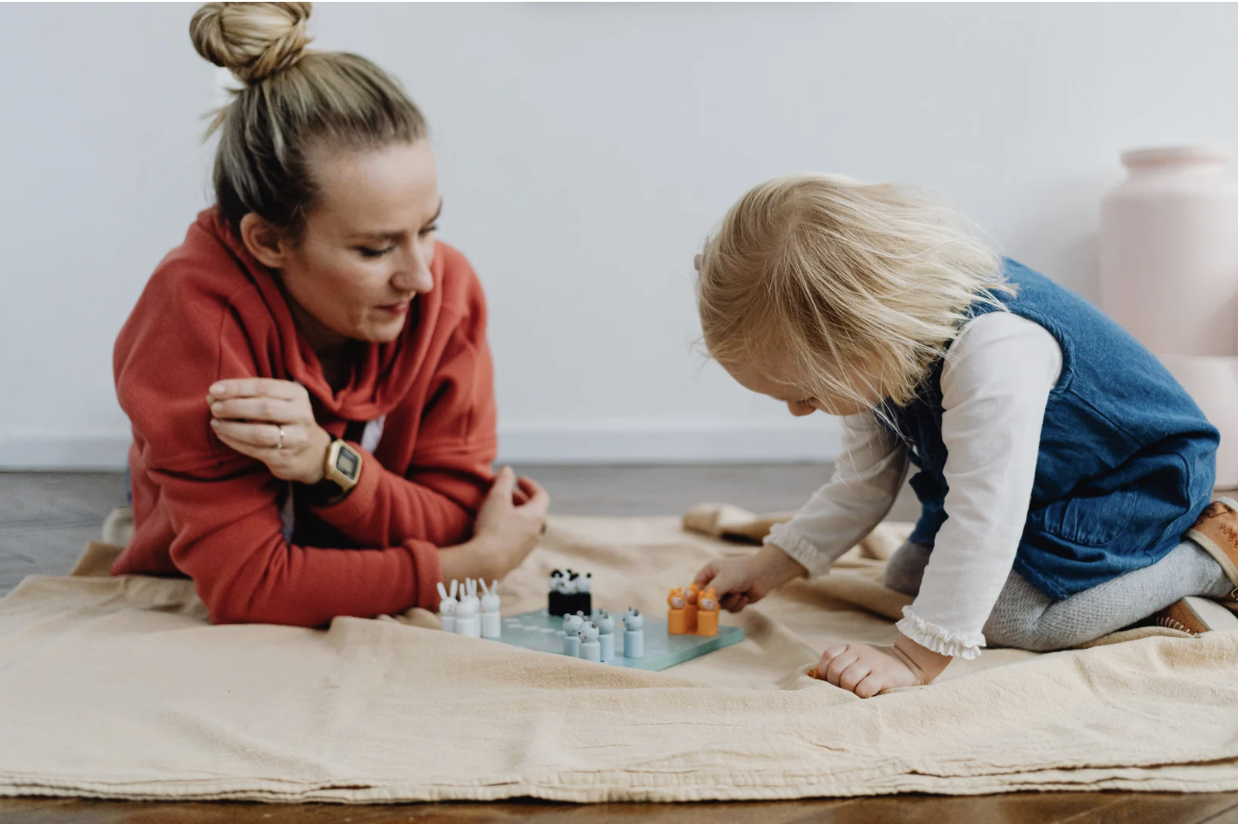
When adults are upset, we often talk about it. We explain what happened, describe our emotions, and try to make sense of our experiences through conversation.
Children are different.
Many children do not yet have the language, emotional awareness, or developmental ability to explain why they are anxious, angry, scared, or overwhelmed. Even when they know something feels wrong, they may not have the words to describe it. Instead, they often communicate through play.
A child may repeatedly rescue toys from danger, create stories about families, build walls with blocks, hide figures, or act out situations with dolls or puppets. To an adult, it may look like “just playing.” To a trained play therapist, these moments can provide important information about a child’s emotional world.
Play therapy is not about distracting children from difficult emotions. It is a developmentally appropriate form of therapy that helps children express, process, and work through challenges in the language they know best—play.
What Exactly Is Play Therapy?
Play therapy is an evidence-informed approach to counseling that uses toys, games, art, storytelling, imaginative play, and other developmentally appropriate activities to help children express thoughts and feelings they may not yet be able to communicate with words.
A trained play therapist intentionally selects toys and activities because they represent common aspects of a child’s world, including:
Family relationships
School experiences
Friendship and social situations
Safety and protection
Power and control
Nurturing and caregiving
Aggression and conflict
Creativity and problem-solving
Rather than asking a young child to sit on a couch and answer questions for 50 minutes, the therapist joins the child in developmentally appropriate play while carefully observing themes, emotions, behaviors, and patterns.
Through the therapeutic relationship, children learn healthier ways to express feelings, solve problems, regulate emotions, and process difficult experiences.
While play therapy often looks fun from the outside, every session is guided by clinical knowledge, therapeutic goals, and careful observation.
What Ages Is Play Therapy Best For?
Play therapy is most commonly used with children between approximately 3 and 12 years old, although adolescents and even adults may benefit from expressive or play-based interventions depending on their needs. It is especially helpful for younger children because language development is still emerging.
A four-year-old who experienced a frightening event may not be able to explain:
“I’m experiencing anxiety because I don’t feel safe after what happened.”
Instead, they may repeatedly hide toy animals, rescue dolls, or create stories about characters being separated from their families.
These forms of play often communicate far more than a child could verbally describe. As children grow older, therapists may gradually incorporate more conversation while continuing to use creative activities such as games, drawing, sand tray, or expressive interventions when appropriate. Every child is different, and therapy is tailored to each child’s developmental level rather than age alone.
Why Do Children Communicate Through Play Instead of Words?
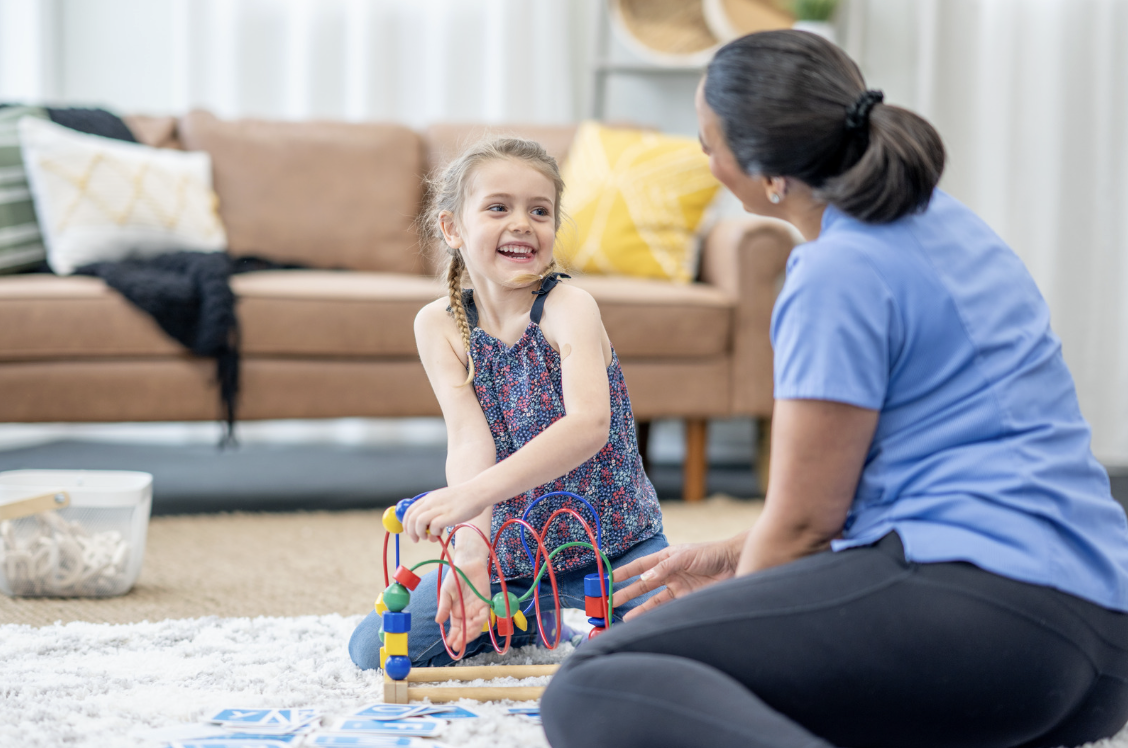
Many parents wonder why their child doesn’t simply tell them what’s wrong. The answer is that children often feel emotions long before they have the words to describe them. The parts of the brain responsible for understanding emotions, controlling impulses, and expressing complex thoughts are still developing throughout childhood. Because of this, children often communicate through their behavior before they can communicate through language.
A child may feel scared, sad, angry, worried, confused, or frustrated, but instead of saying, “I’m overwhelmed because my parents are getting divorced,” they may become more clingy, have frequent meltdowns, act aggressively, withdraw from others, or repeatedly play out stories about families separating. These behaviors aren’t simply “bad behavior”—they’re often a child’s way of communicating that something inside feels difficult or confusing.
This is where play therapy can make such a difference. Rather than expecting children to explain feelings they don’t yet understand, play therapy gives them a safe and natural way to express what’s happening inside. Through toys, art, games, and imaginative play, children can work through difficult experiences, practice new coping skills, and begin making sense of their emotions. The therapist follows the child’s lead, gently helping them feel understood, build confidence, solve problems, and develop healthier ways of coping. In many ways, play gives children a voice when words simply aren’t enough.
Play Is a Child’s Natural Language
Adults usually work through difficult experiences by talking about them. We share our thoughts, describe our feelings, and make sense of what’s happening through conversation. Children aren’t able to do this in the same way because their brains and language skills are still developing. Instead, they communicate through play. Developmental experts like Erik Erikson believed children grow by exploring and interacting with the world around them, while Donald Super recognized that play helps children learn about themselves, build confidence, and develop important life skills. When children pretend, build with blocks, draw pictures, or make up stories, they’re doing much more than having fun—they’re learning, growing, and often working through big emotions.
This is why play therapy is so effective. Children often show us what they’re feeling through their play before they can explain it with words. For example, a child who keeps pretending to be a doctor may be trying to make sense of a recent medical visit, or a child who repeatedly rescues stuffed animals may be expressing a need to feel safe. In play therapy, the therapist follows the child’s lead and uses play to help them express emotions, solve problems, and build healthy coping skills. Just as adults benefit from talking with a therapist, children benefit from having a safe place to play, explore, and heal.
Isn’t Play Therapy Just…Playing?
One of the biggest misconceptions about play therapy is that children are simply playing while a therapist watches. While play therapy may look like ordinary play, every session is guided by clinical knowledge, child development, and therapeutic intention.
Just as adults often talk through their thoughts and feelings in therapy, children communicate through play. A trained play therapist understands that the toys, games, and stories children choose often reflect their inner world. Instead of asking children to explain emotions they may not have words for, the therapist helps them express those emotions in a way that feels natural and safe.
During play therapy, your child’s therapist is paying close attention to:
Which toys or activities your child chooses
Themes that appear over and over during play
How your child solves problems or handles frustration
How they express emotions like anger, sadness, fear, or joy
Their ability to regulate emotions and recover from challenges
Attachment patterns and relationship dynamics that may appear through pretend play
Symbols that may represent family relationships, school experiences, or stressful events
Your child’s developmental level and individual strengths
Opportunities to build confidence, resilience, and healthy coping skills
The therapist isn’t simply observing—they are actively participating in the healing process. They reflect your child’s emotions, encourage healthy expression, set appropriate therapeutic limits, build trust, and help your child feel understood and emotionally safe. Every interaction is intentional and designed to support emotional growth.
Why Does It Look Like “Just Playing”?
Children learn best through play, so therapy is designed to meet them where they are. Although a session may look simple from the outside, your child is often practicing skills such as identifying emotions, building confidence, processing difficult experiences, improving self-control, strengthening relationships, and learning healthier ways to cope.
The toys are simply the tools. The real healing happens through the trusting relationship your child builds with the therapist and the carefully guided experiences that help them grow emotionally. While it may look like play on the surface, important therapeutic work is happening every step of the way.
Why the Relationship with the Therapist Matters
While toys and games are an important part of play therapy, the most powerful part of the process is the relationship your child builds with their therapist. Research consistently shows that one of the strongest predictors of success in therapy is a safe, trusting relationship between the therapist and the client. For children, that relationship is often built through play.
A play therapist provides a calm, accepting, and nonjudgmental environment where children know they can be themselves. They don’t have to worry about getting the “right” answer or finding the perfect words. Instead, they are accepted exactly as they are. As trust develops, children begin to feel safe enough to express difficult emotions, explore challenges, try new ways of coping, and build confidence in themselves.
Through this supportive relationship, children learn important emotional and social skills that extend far beyond the therapy room. They practice identifying and expressing emotions, solving problems, managing frustration, building resilience, and developing healthier ways to relate to others. Over time, these skills transfer into everyday life at home, at school, and with friends.
Parents sometimes wonder if their child is “just playing” or “just having fun” with the therapist. While sessions are designed to feel engaging and enjoyable, every interaction has purpose. The therapist is intentionally creating opportunities for your child to experience safety, connection, encouragement, and success. For many children, this consistent, supportive relationship becomes the foundation that allows meaningful healing and lasting emotional growth to occur.
In play therapy, the toys may open the door, but it is the trusting relationship with the therapist that helps children walk through it.
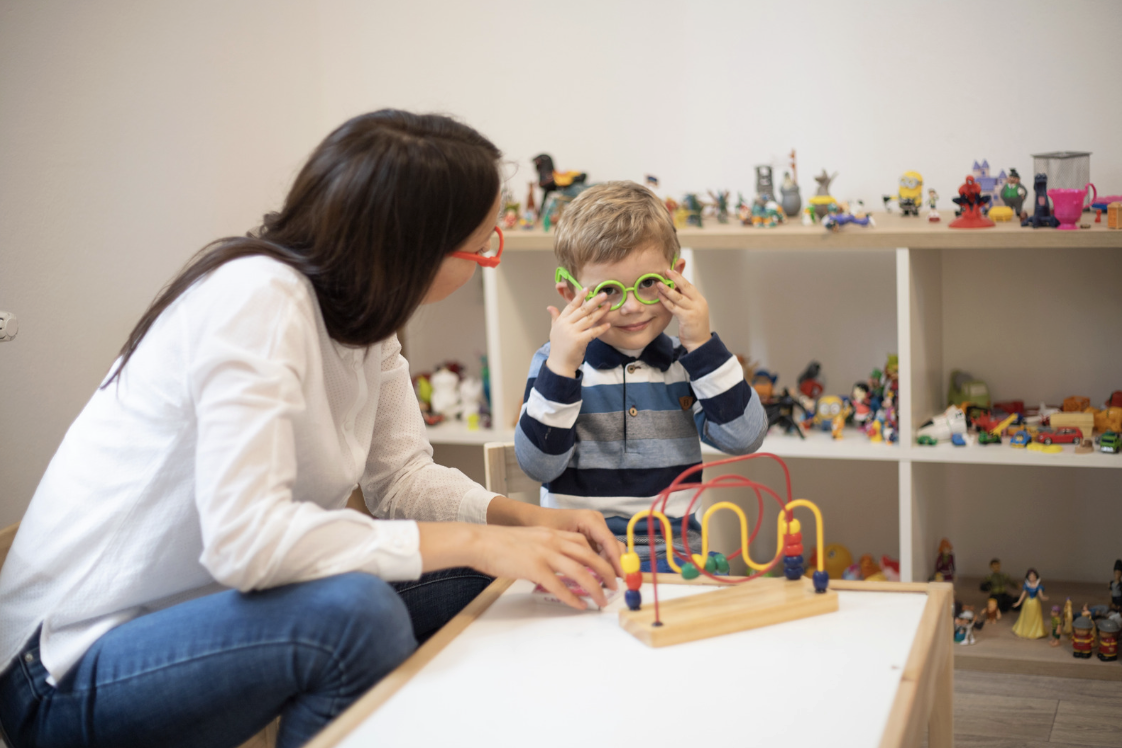
How Do I Know If My Child Could Benefit from Play Therapy?
Every child has difficult days, big emotions, and moments of frustration. However, when changes in your child’s mood or behavior continue for several weeks, begin affecting daily life, or seem out of character, it may be time to consider additional support. Play therapy can help children understand their emotions, build healthy coping skills, and navigate challenges in a safe, developmentally appropriate way.
Children may benefit from play therapy if they are experiencing:
Anxiety or excessive worry
Separation anxiety
Emotional outbursts or frequent meltdowns
Aggression or difficulty managing anger
Difficulty regulating emotions
ADHD or challenges with attention and impulse control
Grief or the loss of a loved one
Trauma or other stressful life experiences
Divorce, blended families, or other family transitions
Adoption or foster care transitions
Medical procedures, chronic illness, or medical trauma
Bullying or friendship difficulties
Low self-esteem or lack of confidence
School refusal or struggles adjusting to school
Selective mutism
Autism Spectrum Disorder (when play therapy is an appropriate part of the child’s treatment plan)
Behavioral concerns at home or school
Difficulty adjusting to major life changes
Sleep difficulties related to stress or anxiety
Ongoing family conflict
Sometimes there isn’t one specific event that explains what’s changed. Parents often tell us things like:
“My child just isn’t acting like themselves anymore.”
“They seem angry all the time.”
“They’re crying over little things.”
“They’ve become much more anxious.”
“They don’t seem to enjoy the things they used to love.”
These changes don’t automatically mean something is seriously wrong. Many children simply need extra support while they learn to manage big emotions or adjust to life’s challenges. Just as we take children to the doctor when they aren’t feeling physically well, it’s okay to seek help when they’re struggling emotionally. Early support can make a meaningful difference, helping children build resilience, confidence, and healthy coping skills that benefit them for years to come.
How Prospering Minds Counseling Can Help You
At Prospering Minds Counseling, we understand that children communicate differently than adults. Our play therapists provide a warm, safe, and developmentally appropriate environment where children can express emotions, process difficult experiences, build confidence, and develop healthier ways of coping.
Play therapy may help children:
Reduce anxiety and excessive worry
Improve emotional regulation
Process trauma and stressful life experiences
Strengthen self-esteem and confidence
Develop healthier coping skills
Improve frustration tolerance
Build social skills and peer relationships
Adjust to divorce, blended families, or other life transitions
Process grief and loss
Improve behavioral challenges
Strengthen attachment with caregivers
Develop healthier ways to express emotions
Parents are an important part of the healing process. Throughout therapy, we work collaboratively with caregivers by providing education, parenting support, and strategies that reinforce progress at home while maintaining the child’s therapeutic privacy. Every child deserves a space where they feel safe enough to express themselves in the way that comes most naturally to them. Sometimes that happens through conversation. For many children, it happens through play.
To learn more or schedule an appointment with Prospering Minds Counseling, call 708-680-7486 or email intake@prosperingmc.com.
Play may look simple. For a child, it can be one of the most powerful ways to heal.
