
When Life Gives You Lemons: You Don’t Always Have to Make Lemonade
When Life Gives You Lemons: You Don’t Always Have to Make Lemonade
Carly Wolfram, Licensed Clinical Professional Counselor (LCPC), Doctoral CandidateThis article aims to explore why healing does not require constant positivity or immediately finding a silver lining after painful experiences. The article explains toxic positivity, Radical Acceptance, validation, resilience, and post-traumatic growth while offering a compassionate perspective on grief, trauma, and emotional healing. Readers will learn how to accept difficult realities without giving up hope, why validation comes before problem-solving, and how to find meaning at their own pace. Prospering Minds Counseling supports individuals navigating grief, trauma, depression, anxiety, and major life transitions.

We’ve all heard the saying,
“When life gives you lemons, make lemonade.”
It’s meant to inspire hope and remind us that difficult experiences can sometimes lead to growth, resilience, or unexpected opportunities. And sometimes, that’s true. Many people do find meaning or strength after going through hard times.
But when you’re in the middle of grief, trauma, depression, illness, divorce, or another painful life experience, this saying can feel less encouraging and more overwhelming. It can create pressure to stay positive, find the lesson, or “look on the bright side” before you’re ready. You may even feel guilty if you can’t find anything good about what happened.
The reality is that not every painful experience has an immediate purpose or silver lining. Sometimes life gives you lemons…and they’re just lemons. Sometimes the healthiest response isn’t trying to turn your pain into something positive—it’s simply allowing yourself to acknowledge that you’re hurting.
Healing doesn’t require pretending everything is okay. It begins by giving yourself permission to say, “This is hard,” or “This hurts.” When we stop forcing ourselves to be positive and instead allow ourselves to experience our emotions with honesty and self-compassion, we create the space where true healing can begin. Ironically, accepting our pain often helps us move through it more effectively than trying to outrun it.
The Pressure to “Stay Positive” Can Be Exhausting
Many of us grow up hearing messages that encourage us to focus on the positive. Phrases like “Everything happens for a reason,” “Look on the bright side,” “At least…,” or “Stay positive” are usually said with good intentions. People often want to help us feel better, offer hope, or remind us that difficult times won’t last forever.
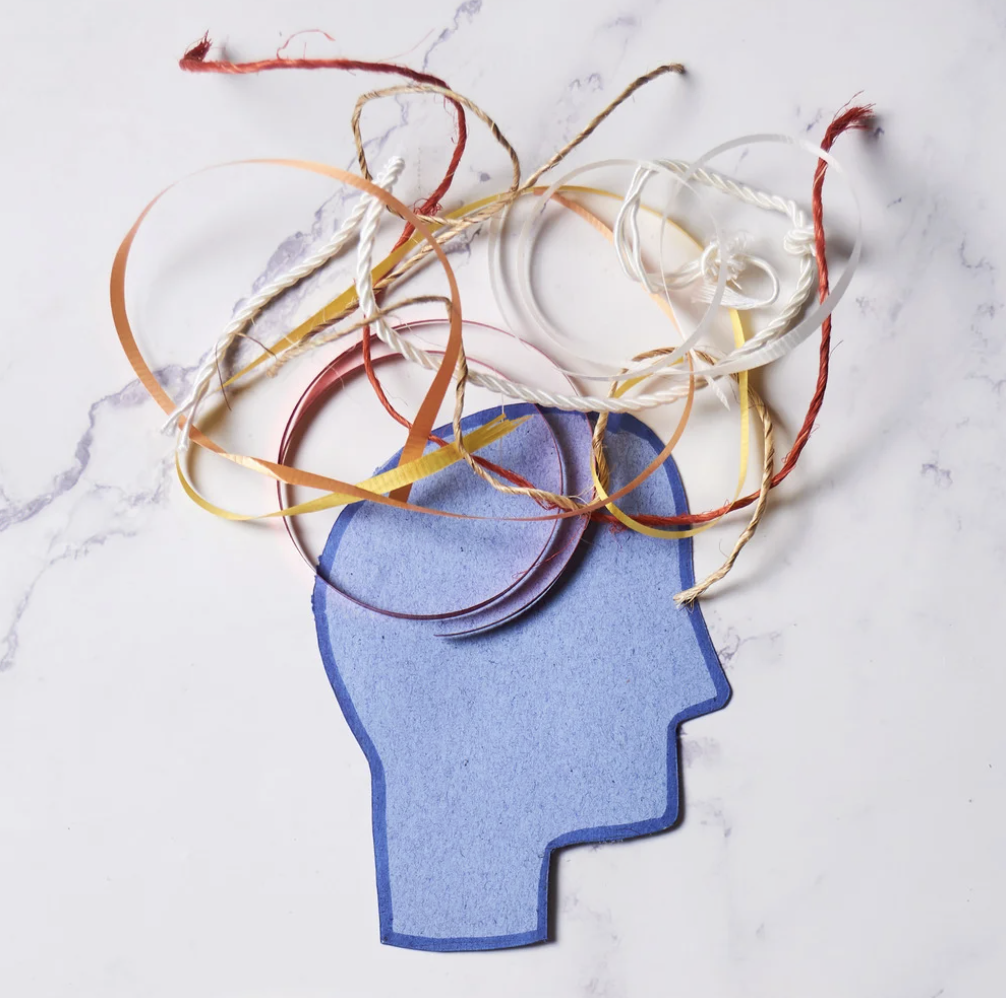
However, when you’re going through something deeply painful, these messages can sometimes have the opposite effect. Instead of feeling supported, you may feel pressure to move on before you’re ready. You might start questioning yourself, wondering, “Why can’t I just be grateful?” or “What’s wrong with me?” You may even feel like you’re failing at healing because you’re still sad, angry, or scared.
This experience is often referred to as toxic positivity—the belief that we should always focus on positive emotions while pushing away the difficult ones. The problem is that emotions don’t work that way. We can feel hopeful and heartbroken at the same time. We can be grateful for the support we have while still grieving what we’ve lost. Healing doesn’t happen by ignoring painful emotions; it happens by allowing ourselves to experience them without shame. When we make room for both joy and sorrow, we give ourselves the freedom to heal in an authentic and lasting way.
Accepting Reality Without Giving Up Hope
One of the most helpful—and most misunderstood—skills in therapy is radical acceptance, a concept often taught in Dialectical Behavior Therapy (DBT). When people hear the word acceptance, they sometimes think it means they have to like what happened, agree with it, or pretend it didn’t hurt. That’s not what radical acceptance means at all.
Radical acceptance simply means acknowledging reality as it is in this moment. It means saying, “This happened. I don’t like it. I wish it were different. But I can’t change the fact that it happened.” Acceptance is not approval. It doesn’t excuse someone’s hurtful behavior, minimize your pain, or mean you’re giving up hope. Instead, it helps you stop spending so much emotional energy fighting a reality that cannot be changed.
When we resist painful realities, it’s easy to get stuck in thoughts like, “This shouldn’t have happened,” “Why me?” or “I can’t believe this is my life.” These thoughts are completely understandable, especially after a loss or traumatic experience. However, constantly fighting the facts often keeps us trapped in our suffering. Acceptance allows us to shift our focus from wishing the past were different to asking, “Given where I am today, what do I need right now?”
The important thing to remember is that acceptance and hope can exist at the same time. You can accept that today is painful while still believing tomorrow may feel different. You can acknowledge your reality without giving up on healing. In fact, accepting where you are today is often the first step toward creating the future you hope for.
Why Validation Comes Before Problem-Solving
When someone we care about is hurting, our first instinct is often to help fix the problem. We offer advice, search for solutions, or try to help them see the positive side of the situation. These responses usually come from a place of love and concern. However, when someone is experiencing emotional pain, they often need to feel understood before they’re ready to hear advice.
This is where validation becomes so important. Validation means letting someone know that their feelings make sense given what they have been through. It sounds like, “I can understand why this hurts,” “Anyone in your situation would be struggling,” or “You don’t have to pretend you’re okay with me.” Validation is not the same as agreeing with every thought or behavior. Instead, it communicates, “I see your pain, and it makes sense that you’re feeling this way.”
When people feel truly heard and understood, their nervous system begins to calm. They no longer have to spend energy proving that their feelings are real or justified. As they begin to feel emotionally safe, their brain becomes more open to thinking clearly, considering new perspectives, and finding solutions. In other words, validation doesn’t replace problem-solving—it creates the foundation that makes problem-solving possible. Sometimes the greatest gift we can offer isn’t the perfect advice, but the reassurance that someone doesn’t have to face their pain alone.
Resilience Is Not the Absence of Pain
When we think of someone who is resilient, we often imagine a person who stays strong no matter what life throws at them. But true resilience doesn’t mean never feeling hurt, discouraged, or overwhelmed. Resilient people still cry. They still grieve. They still experience fear, disappointment, and uncertainty. They still have moments when they need support. Feeling pain is not a sign of weakness—it’s part of being human.
Resilience is not about avoiding difficult emotions; it’s about continuing to move forward even while carrying them. Sometimes resilience looks like overcoming a major obstacle, but more often it shows up in quiet, everyday moments. It looks like getting out of bed when it’s hard, taking your medication, going to therapy, asking for help, making dinner, setting a healthy boundary, choosing to rest, or taking one small step when everything feels overwhelming. These actions may seem ordinary to others, but they often require incredible courage. Every small step forward is evidence that you are continuing to care for yourself, even in the midst of pain—and that is what resilience truly looks like.
Healing Doesn’t Mean You Stop Having Hard Days
Many people expect healing to happen in a straight line. They imagine that once they’ve “healed,” the sadness, anxiety, grief, or painful memories will simply disappear. In reality, healing is rarely that predictable. It often comes in waves. You may have several great weeks and then suddenly find yourself having a difficult day because of a familiar smell, a meaningful song, an anniversary, a stressful event, or even a place that reminds you of the past. These moments can bring back emotions you thought were long gone.
Experiencing difficult emotions again does not mean you’ve gone backward or that your progress has been erased. Healing isn’t measured by whether painful feelings still show up—it’s measured by how you respond when they do. Maybe now you recognize what’s happening instead of feeling overwhelmed by it. You reach out for support sooner, use healthy coping skills, speak to yourself with more compassion, and trust that the feelings will eventually pass. The goal of healing isn’t to never struggle again. The goal is to build a healthier relationship with your emotions so that even on the hard days, you know you have the tools and strength to move through them.
Finding Meaning Without Forcing a Silver Lining

Over time, many people discover that difficult experiences have changed them in meaningful ways. Some become more compassionate, develop healthier boundaries, strengthen their relationships, change careers, or gain a deeper appreciation for everyday moments. Others find purpose by helping people who are facing similar struggles. These changes can be powerful and meaningful, but they usually don’t happen overnight.
The important thing to remember is that meaning cannot be rushed or forced. When someone is hurting, they don’t need pressure to find the lesson or identify the “good” that came from their pain. Sometimes there isn’t an immediate silver lining, and that’s okay. Healing often begins by simply acknowledging the loss before trying to make sense of it. As time passes, meaning may naturally emerge through reflection, growth, and lived experience—not because someone told you it should.
It’s also possible for two things to be true at the same time. You can honestly say, “I wish this had never happened,” while also recognizing, “I have grown because of what I survived.” Those statements don’t cancel each other out. Finding meaning doesn’t erase the pain, and the pain doesn’t erase the growth. Both can exist together, and allowing yourself to hold both is often part of the healing process.
Eventually, You Get to Decide What to Do With the Lemons
As healing begins, you may notice that your questions start to change. Instead of asking, “Why did this happen to me?” you may find yourself wondering, “Given that this happened, how do I want to move forward?” While we can’t always choose the painful experiences life brings us, we can gradually choose how we respond to them. That choice doesn’t happen all at once, and it doesn’t have to happen on anyone else’s timeline.
Maybe one day you’ll make lemonade. Maybe you’ll plant the seeds and grow something new. Maybe you’ll set the lemons aside because you’re simply not ready to deal with them yet. Every one of those responses is okay. Healing isn’t about turning pain into something beautiful as quickly as possible. It’s about giving yourself the time, space, and compassion to move forward in a way that feels authentic to you.
Over time, you may discover strengths you didn’t know you had, relationships that became more meaningful, healthier boundaries, or a clearer sense of what matters most. These changes don’t mean the pain was “worth it” or that suffering was necessary. They simply reflect your ability to keep living, growing, and choosing your path despite what you’ve been through. And, in the end, healing isn’t about what life handed you—it’s about realizing that you still get to decide what comes next.
How Prospering Minds Counseling Can Help You
Painful life experiences can leave you feeling overwhelmed, discouraged, angry, grief-stricken, or uncertain about what comes next. You may feel pressure to “move on,” stay positive, or quickly find meaning before you have had the chance to process what has happened.
At Prospering Minds Counseling, our therapists provide a compassionate, trauma-informed space where you do not have to pretend everything is okay.
Therapy may help you:
Process grief, trauma, loss, or major life transitions
Learn skills such as Radical Acceptance without minimizing your pain
Reduce shame surrounding difficult emotions
Build resilience while honoring your emotional experience
Develop healthy coping strategies during overwhelming seasons
Improve emotional regulation and self-compassion
Navigate anxiety, depression, or chronic stress
Clarify your values and priorities after difficult experiences
Find meaning at your own pace without forcing a silver lining
Build hope while accepting the realities of the present moment
Healing is not about becoming someone who never struggles. It is about developing the capacity to move through life’s hardest moments with greater flexibility, self-compassion, and support.
To learn more or schedule an appointment with Prospering Minds Counseling, call 708-680-7486 or email intake@prosperingmc.com.
Sometimes life gives you lemons. You don’t have to pretend they’re sweet before you’re ready. And when the time comes, you get to decide what happens next.
