
Why Won’t My Child Listen? Understanding Tantrums
Why Won’t My Child Listen? Understanding Tantrums, Big Emotions, and What Actually Helps
Carly Wolfram, Licensed Clinical Professional Counselor (LCPC), Doctoral CandidateThis article helps parents understand why children sometimes appear to stop listening during emotional overwhelm. The article explores how behavior is often communication rather than simple defiance, common triggers behind tantrums, how nervous system dysregulation affects behavior, and why connection before correction is an effective parenting approach. It also discusses when emotional outbursts may be related to ADHD, autism, anxiety, trauma, sensory differences, or other developmental concerns, and when professional support may be helpful. Prospering Minds Counseling provides child therapy, play therapy, parent coaching, and trauma-informed care to help children develop emotional regulation and healthy coping skills.
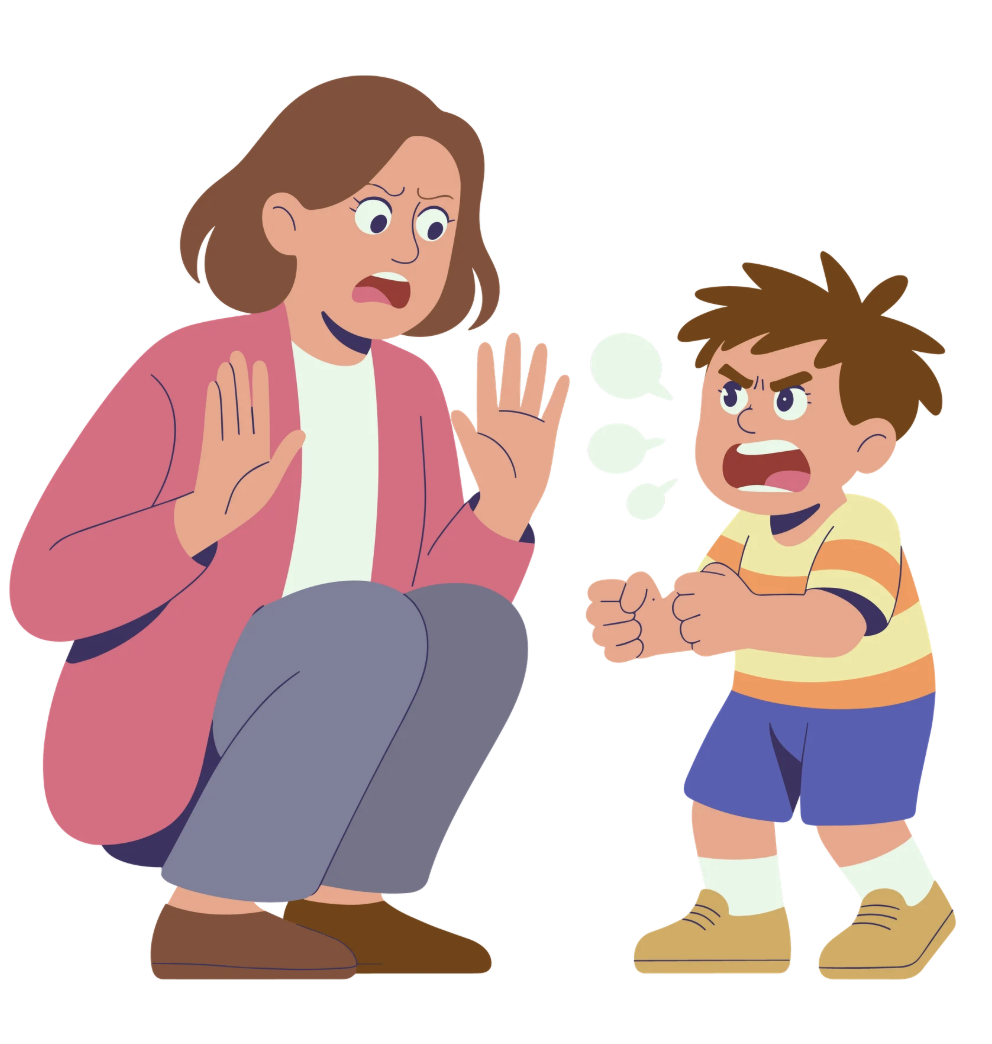
If you’re a parent, you’ve probably had days where it feels like you’re repeating yourself over and over again. “Please put your shoes on.” “It’s time to clean up.” “Come brush your teeth.” Instead of listening, your child cries, screams, argues, throws toys, runs away, or completely shuts down. By the end of the day, it’s easy to wonder, “Why won’t my child listen?” or even “Am I doing something wrong?” When everyday routines turn into constant battles, many parents feel exhausted, frustrated, and guilty.
The truth is that what looks like “not listening” is often much more than simple defiance. Young children’s brains are still learning how to manage big emotions, control impulses, and switch from one activity to another. When they become overwhelmed, tired, hungry, anxious, or frustrated, the part of their brain responsible for problem-solving and self-control can temporarily go offline. In those moments, your child isn’t necessarily choosing to ignore you—they may be struggling to regulate their emotions well enough to respond. Understanding what’s happening beneath the behavior doesn’t mean excusing inappropriate actions, but it does help parents respond in ways that teach skills instead of escalating the conflict. When we begin to see behavior as communication rather than simply disobedience, we can better support our children while still setting healthy, consistent limits.
When Every Day Feels Like a Battle
Some seasons of parenting can feel like one long series of power struggles. Getting dressed, leaving the house, turning off the TV, cleaning up toys, starting homework, or getting ready for bed can all become major battles. Sometimes even activities your child normally enjoys can end in tears or a meltdown. When this happens day after day, many parents find themselves feeling like they’re constantly “walking on eggshells,” wondering what might trigger the next outburst.
Over time, this stress affects the whole family. Parents may start questioning whether they’re doing something wrong. Siblings can become frustrated or resentful. Children often feel upset or even embarrassed after a meltdown but don’t understand why they reacted the way they did. It can begin to feel like the entire household revolves around avoiding the next explosion.
If this sounds familiar, know that you’re not alone. The frustration you’re feeling is real, and so is your child’s struggle. While the behavior certainly needs to be addressed, it’s important to remember that behavior is often just the surface of a much bigger story. Understanding what’s happening underneath those big emotions is the first step toward helping your child learn healthier ways to cope—and helping your family experience more calm, connection, and confidence.
Behavior Is Communication, Not Just Defiance
One of the most helpful shifts parents can make is learning to see behavior as communication. Children often express what they’re feeling through their actions long before they have the words to explain it. A child who throws a toy may be communicating, “I’m overwhelmed.” A child who refuses to get dressed may be saying, “This transition feels really hard.” A child who screams after hearing “no” may not be trying to be disrespectful—they may simply not have the skills yet to handle disappointment or frustration.
This doesn’t mean parents should allow every behavior. Children still need clear, consistent boundaries to help them feel safe and learn appropriate behavior. But when we understand why a behavior is happening, we can respond in ways that teach instead of simply punish. Rather than asking, “How do I make this behavior stop?” it can be more helpful to ask, “What is my child trying to tell me?”
Sometimes the answer is simple: they’re hungry, tired, overstimulated, anxious, frustrated, or unsure of what comes next. Other times, they may be looking for connection, struggling with a change in routine, or facing a challenge they simply don’t have the skills to manage yet. The behavior is what we can see, but the emotion underneath is often what truly needs our attention. When parents respond to both the behavior and the need beneath it, children have the best opportunity to learn healthy ways to express themselves and regulate their emotions over time.
Could There Be Something More Going On?

Tantrums and big emotions are a normal part of childhood, especially in the toddler and preschool years. As children grow, they gradually learn how to manage frustration, express their feelings, and cope with disappointment. However, if emotional outbursts are happening very frequently, seem much more intense than expected for your child’s age, last for a long time, or are interfering with daily life at home, school, or with friends, it may be helpful to take a closer look at what could be contributing.
Sometimes, frequent meltdowns are connected to an underlying developmental, emotional, or medical concern. A comprehensive evaluation may explore conditions such as Attention-Deficit/Hyperactivity Disorder (ADHD), Autism Spectrum Disorder (ASD), anxiety, Obsessive-Compulsive Disorder (OCD), trauma, sensory processing differences, Oppositional Defiant Disorder (ODD), Disruptive Mood Dysregulation Disorder (DMDD), depression, learning differences, sleep difficulties, or certain medical conditions that affect emotional regulation. It’s important to remember that a diagnosis is never based on tantrums alone. Mental health professionals consider many factors, including your child’s developmental history, emotional regulation, relationships, behavior across different settings, and overall pattern of functioning over time.
It’s also important to know that many children who have frequent meltdowns do not have a mental health diagnosis. Likewise, children who do have ADHD, autism, anxiety, or another diagnosis are not “bad,” “manipulative,” or intentionally difficult. Their brains may simply process emotions, stress, transitions, or sensory information differently. Understanding the reason behind a child’s struggles allows parents, teachers, and therapists to provide supports that match the child’s unique needs, helping them build the skills they need to succeed.
Why Children “Stop Listening” When They’re Overwhelmed
Many parents wonder why their child seems to stop listening during a meltdown. It can look like they’re ignoring directions or choosing not to cooperate. While there are certainly times when children test limits, there are also many moments when they simply become too overwhelmed to listen. When a child experiences big emotions, their brain shifts into “survival mode.” Instead of focusing on reasoning, following directions, or solving problems, their energy goes toward trying to manage what feels like an overwhelming situation.
When this happens, children may cry, scream, run away, hit, throw things, freeze, cover their ears, refuse to move, or completely shut down. These behaviors don’t mean they are “bad” children—they often mean their nervous system is overloaded. In those moments, asking a child to calmly explain their feelings or immediately follow directions is usually asking more of their brain than it can handle.
Understanding this doesn’t mean harmful behavior is acceptable. Children still need clear expectations and consistent boundaries. However, it does explain why punishment or repeated lectures often don’t work in the middle of a meltdown. Children learn best when they feel calm and safe. Once their emotions have settled, they are much better able to listen, problem-solve, and learn from the experience. By first helping your child regulate their emotions and then teaching appropriate behavior afterward, you’re helping them build the emotional skills they’ll use for the rest of their lives.
Common Triggers Parents Often Miss
When a child has a meltdown, it’s easy to focus on the behavior happening in that moment. But many tantrums actually begin long before the crying, yelling, or frustration starts. Behavior almost always has a context. A child may be hungry, tired, getting sick, overwhelmed by loud noises, struggling with a transition, feeling rushed, frustrated with schoolwork, or having difficulty stopping an activity they enjoy. Other common triggers include changes in routine, too many directions at once, social stress, feeling misunderstood, sensory overload, or major life changes such as a new sibling, divorce, moving, or the loss of a loved one.
Sometimes the trigger isn’t even recent. A child who held it together all day at school may completely fall apart once they get home because home is where they feel safest. An exciting birthday party or busy family outing can also lead to a meltdown hours later because their brain and body are finally releasing all the built-up stress and stimulation. This is why it’s helpful to become a “behavior detective” rather than focusing only on the tantrum itself.
Instead of asking, “Why is my child acting this way?” try asking:
What happened just before this?
Has my child eaten, rested, or had enough downtime today?
Are they overwhelmed, frustrated, or struggling with a transition?
Is there a pattern to when these meltdowns happen?
Over time, many parents begin to notice patterns they hadn’t seen before. Understanding your child’s triggers doesn’t prevent every tantrum, but it can help you respond with more confidence, anticipate difficult moments, and support your child before they become overwhelmed.
Connection Before Correction
When a child is having a meltdown, our first instinct is often to correct the behavior: “Stop yelling.” “Calm down.” “Go to your room.” While setting limits is an important part of parenting, children often need connection before they are ready for correction. Young children learn how to calm themselves by first experiencing the calm of a trusted adult. When we stay as regulated as possible, we help their nervous system begin to settle. This doesn’t mean giving in to inappropriate behavior—it means recognizing that children learn best once they feel safe and emotionally supported.
Connection can be as simple as saying, “I can see you’re really upset,” “This is hard,” “I know you’re disappointed,” or “I’m here with you.” These statements don’t excuse the behavior; they let your child know that you understand what they’re feeling, even if the behavior itself isn’t okay. Once your child begins to calm down, you can then teach and set limits by saying things like, “I won’t let you hit,” “I’ll help keep everyone safe,” or “We’ll talk about what happened when your body is calm.”
Children often borrow our calm before they can find their own. When we respond with patience, consistency, and confidence, we’re teaching emotional regulation in real time. Over hundreds of these everyday moments, children gradually learn how to manage their own emotions because they’ve experienced what it feels like to be helped through them. Connection isn’t the opposite of discipline—it creates the foundation that makes discipline effective.
How to Respond During a Tantrum Without Making It Worse

When your child is having a tantrum, it’s natural to want to stop the behavior as quickly as possible. However, during a meltdown, your child’s brain is often too overwhelmed to learn from lectures or consequences. In that moment, your primary goals are keeping everyone safe and helping your child regain control of their emotions. Once they are calm, that’s when teaching and problem-solving can happen.
During a tantrum, it can help to:
Speak in a calm, quiet voice rather than raising your own.
Use short, simple phrases instead of long explanations.
Stay nearby if your child wants your presence, while giving them space if they need it.
Offer simple choices when appropriate, such as, “Would you like to sit on the couch or the bean bag while you calm your body?”
Remove objects that could be unsafe.
Acknowledge your child’s feelings without approving of the behavior by saying things like, “I know you’re really angry,” or “You’re having a hard time right now.”
Save discussions about consequences or problem-solving until your child is calm enough to think clearly.
There are also a few responses that often make tantrums worse. Try to avoid lecturing, arguing, repeatedly asking, “Why did you do that?” making threats you can’t follow through on, comparing your child to siblings, or using shame to gain compliance. While these reactions are understandable when you’re frustrated, they rarely teach the skills your child needs in the moment.
After the tantrum has passed, that’s the best time to help your child reflect on what happened. You might ask questions like, “What did your body feel like before you got upset?” “Do you know what made today so hard?” or “What could we try next time?” These conversations help children build self-awareness and problem-solving skills over time. Remember, children learn emotional regulation after they’ve calmed down—not while they’re overwhelmed by big emotions.
Taking Care of Yourself During Challenging Moments
Parenting a child with big emotions can be incredibly rewarding, but it can also be exhausting. When you’re navigating frequent tantrums, power struggles, or emotional outbursts, it’s normal to feel frustrated, impatient, anxious, discouraged, or emotionally drained. You may even find yourself wondering if you’re doing enough or questioning your parenting. These feelings do not mean you’re a bad parent—they mean you’re a human parent doing your best in a difficult situation.
It’s important to remember that your nervous system matters too. Children often look to the adults around them to help them feel safe and regulated, but it’s much harder to stay calm when you’re running on empty. During challenging seasons, give yourself permission to prioritize your own well-being whenever possible. That may mean getting more rest, asking for help from a trusted friend or family member, taking short breaks when another safe adult is available, talking with supportive people, or letting go of unrealistic expectations about what “good parenting” should look like.
Perhaps the most important thing to remember is that you don’t have to be a perfect parent. Every parent loses patience, makes mistakes, or wishes they had handled a situation differently. What matters most is what happens next. When you reconnect with your child after a difficult moment—by apologizing, offering a hug, talking about what happened, or simply showing them they are still loved—you teach something incredibly valuable. This is called repair, and it’s one of the most powerful tools in parenting. Children don’t need perfection to thrive. They need loving adults who are willing to come back together after conflict, because that’s how trust, security, and resilience are built.
When Should You Consider Professional Support?
Every child has tantrums, emotional outbursts, and difficult days. These moments are a normal part of learning how to manage emotions and navigate the world. However, there are times when a child’s behavior may be signaling that they need additional support. If tantrums are becoming more frequent or intense, your child has difficulty calming down after becoming upset, aggressive behaviors are putting others at risk, or emotional struggles are affecting home, school, friendships, or daily routines, it may be helpful to speak with a mental health professional.
You may also want to consider support if teachers are noticing similar concerns, your child seems increasingly anxious, withdrawn, overwhelmed, or sad, or strategies that once worked no longer seem effective. Sometimes parents seek therapy because they notice changes in their child. Other times, they seek support because they feel exhausted, overwhelmed, or unsure of what to try next. Both are valid reasons to reach out.
Seeking help is not a sign that you’ve failed as a parent. In fact, it’s often one of the most caring and proactive decisions you can make. Early intervention gives children the opportunity to develop emotional regulation, coping skills, problem-solving abilities, and healthier ways of communicating before unhealthy patterns become more established. It also gives parents additional tools, guidance, and support so they don’t have to navigate these challenges alone. Asking for help isn’t giving up—it’s giving your child and your family the opportunity to grow together.
How Prospering Minds Counseling Can Help You
At Prospering Minds Counseling, we understand that challenging behaviors often have deeper emotional, developmental, or nervous-system roots. Our therapists work collaboratively with children and parents to understand what is driving the behavior rather than simply trying to eliminate it. Depending on your child’s age and needs, treatment may include play therapy, cognitive-behavioral strategies, parent coaching, emotional regulation skills, trauma-informed care, and family collaboration.
Therapy may help children:
Improve emotional regulation
Express feelings in healthier ways
Reduce anxiety and behavioral outbursts
Develop frustration tolerance
Strengthen coping skills
Improve attention and executive functioning
Build confidence and self-esteem
Navigate family changes, grief, or trauma
Improve peer relationships and social skills
Parents may also learn:
How to respond to big emotions without escalating them
Ways to strengthen connection while maintaining healthy boundaries
Strategies for transitions, routines, and emotional regulation
Developmentally appropriate expectations
How to recognize patterns and triggers
How to support their child’s nervous system while caring for their own
Every child has difficult moments. Those moments do not define who they are. With understanding, consistency, and the right support, children can learn the skills they need to manage big emotions in healthier ways.
To learn more or schedule an appointment with Prospering Minds Counseling, call 708-680-7486 or email intake@prosperingmc.com.
Sometimes the question isn’t, “Why won’t my child listen?”
It’s “What is my child trying to tell me that they don’t yet have the words to say?”
