
What Is Parts Spotting? A Gentle Brainspotting Approach for Trauma Healing
What Is Parts Spotting? A Gentle Brainspotting Approach for Trauma Healing
Carly Wolfram, Licensed Clinical Professional Counselor (LCPC), Doctoral CandidateParts Spotting is a gentle Brainspotting approach that helps people process trauma, anxiety, perfectionism, and emotional overwhelm by working with the different “parts” of themselves that hold fear, protection, and unresolved pain. This article explains how Parts Spotting supports trauma healing by helping protective parts feel seen, understood, and safe enough to heal—especially for those who feel stuck in traditional talk therapy.
“Part of Me Wants to Heal… and Part of Me Is Terrified.”
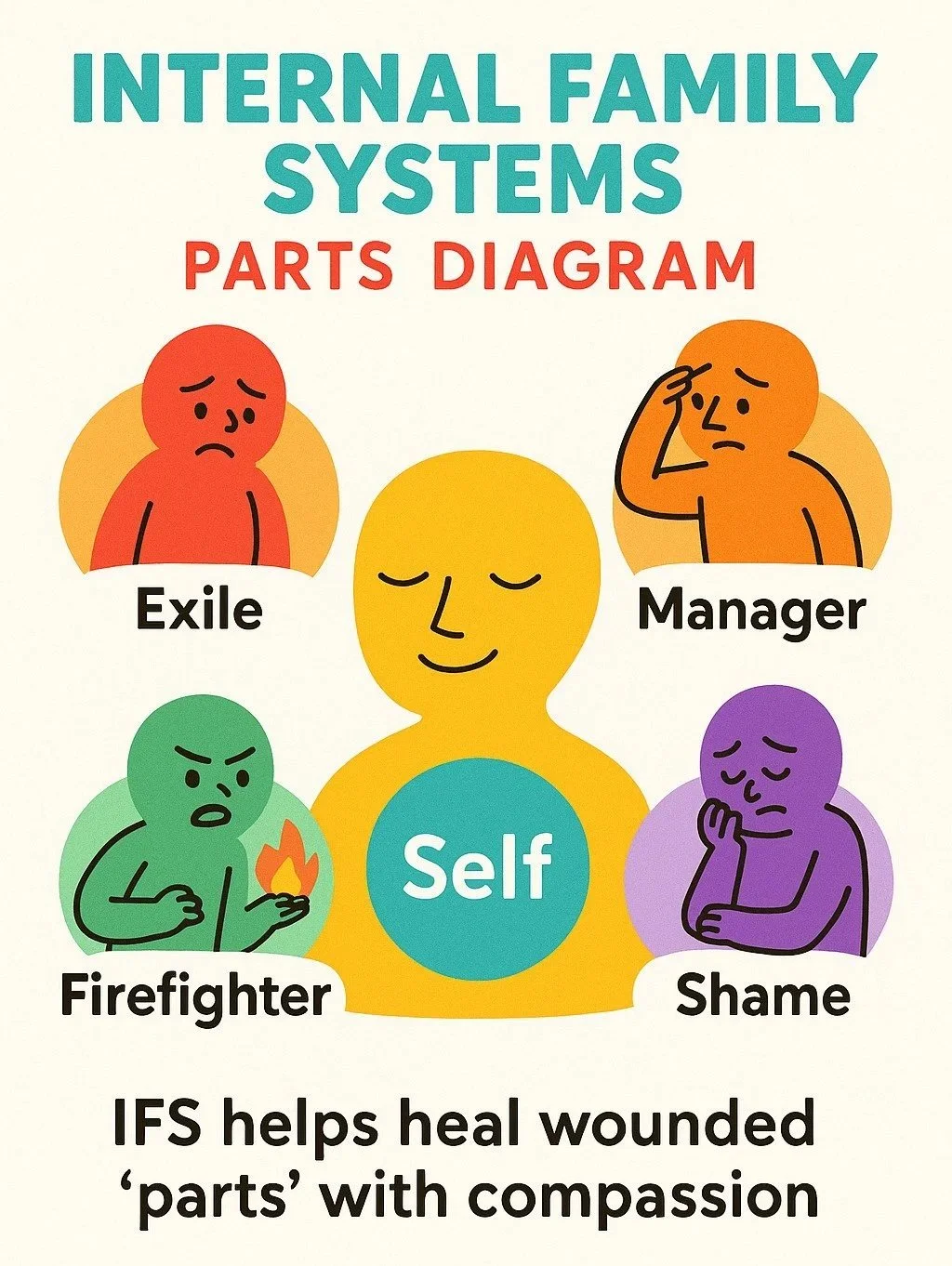
“I know I need to move forward, but every time I try, I shut down.” A client once said this during session while talking about a relationship they knew was unhealthy. They could clearly see the pattern. They understood why it was happening. They knew what they wanted to do. But every time they tried to make a change, something inside them froze.
Part of them wanted peace.
Part of them was terrified of abandonment.
Part of them felt angry.
Part of them felt like a scared child just trying to stay safe.
They were not being dramatic. They were experiencing what many trauma survivors feel—different parts of themselves pulling in opposite directions. This is where Parts Spotting in Brainspotting can be incredibly powerful.
At Prospering Minds Counseling, we often help clients who feel stuck in this exact place. They are not lacking insight. They are carrying protective parts that developed for survival. Parts Spotting helps those parts feel seen, understood, and safe enough to begin healing.
What Is Parts Spotting?
Parts Spotting is a Brainspotting approach that helps you connect with different “parts” of yourself that hold emotions, memories, beliefs, and protective responses.
These parts are often formed through trauma, childhood experiences, attachment wounds, or overwhelming life events. They are not signs that something is wrong with you—they are adaptive responses your nervous system created to protect you. You may notice this as inner conflict.
Part of you wants closeness, while another part pushes people away. Part of you wants rest, while another part feels guilty for slowing down. Part of you knows you are safe, while another part still feels like danger is everywhere.
These are often protective trauma responses, not personal failures. Parts Spotting helps bring awareness to these internal experiences and supports healing from the inside out.
What Do We Mean by “Parts”?
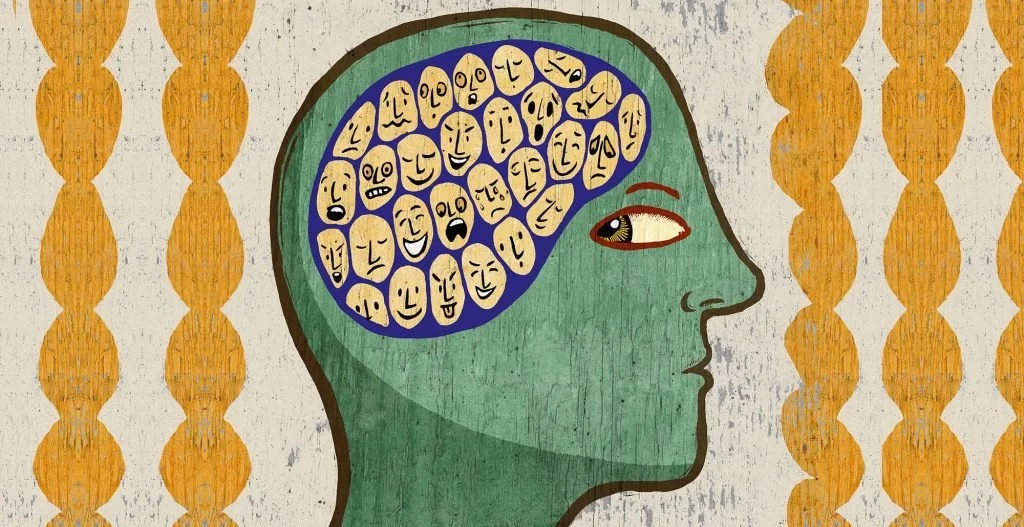
In therapy, “parts” refer to emotional states or protective roles within us.
You may have a perfectionist part that tries to prevent failure. You may have an anxious part that stays hyper-alert to avoid getting hurt. You may have a people-pleasing part that learned safety came from keeping others happy.
You may also have younger wounded parts—often connected to childhood trauma, emotional neglect, or painful life experiences—that still carry fear, sadness, shame, or grief.
These parts are not bad. They usually developed to help you survive something difficult. The problem is that even when life changes, those parts may still react like the original threat is happening now. That is why people often say, “I know I’m safe, but my body doesn’t believe it.”
How Parts Spotting Works
Parts Spotting is influenced by both Brainspotting and Internal Family Systems (IFS)-style work, but it has its own gentle rhythm. Instead of using traditional pointer work, the therapist may guide you to imagine a part of yourself sitting in the room with you.
You may be asked questions like:
What does this part look like?
How old does it feel?
What is it wearing?
Does it want to talk?
What is it trying to protect?
Sometimes clients immediately recognize a younger version of themselves. Sometimes it feels like meeting a highly anxious protector. Sometimes it is simply a heavy emotional presence they have never slowed down enough to notice.
The goal is not to force anything. The goal is curiosity, compassion, and nervous system safety. As the part becomes more visible, the brain begins to process the emotional material connected to it. This is where deeper healing starts.
Why Parts Spotting Helps Trauma Survivors

Trauma often creates internal fragmentation. One part of you may want connection, while another expects rejection. One part may want success, while another fears being seen. One part wants to rest, while another believes rest is unsafe.
This inner conflict can make people feel exhausted, stuck, or ashamed. Many clients think, “Why can’t I just get over this?” But trauma healing is rarely about forcing yourself forward. It is often about listening to the parts of you that are still trying to protect you.
Parts Spotting helps reduce shame because it reframes symptoms as survival responses.
Your anxiety may be a protector.
Your perfectionism may be a protector.
Your emotional shutdown may be a protector.
When we stop fighting those parts and start understanding them, healing becomes possible.
Parts Spotting for People Who Intellectualize
Parts Spotting can be especially helpful for people who are highly self-aware but still feel emotionally stuck.
Many clients say:
“I understand exactly why I do this… but I still keep doing it.”
This is common for people who intellectualize emotions. They can explain everything logically, but their nervous system is still holding the emotional charge. Parts Spotting helps move beyond insight. Instead of analyzing the problem, we connect with the part carrying it. That shift often creates the emotional breakthrough traditional talk therapy could not reach.
What a Session Can Feel Like
People often expect something dramatic, but Parts Spotting is often quiet and surprisingly emotional.
A client may notice sadness they did not expect. They may feel anger rise up. They may suddenly recognize how young a protective part feels.
Some people cry. Some feel relief. Some feel deep exhaustion afterward, like their body finally exhaled. Others feel compassion for themselves for the first time. This work is not about fixing yourself. It is about understanding yourself. That alone can be incredibly healing.
Can Parts Spotting Help Anxiety and Perfectionism?
Yes—very often.
Perfectionism is frequently rooted in fear, trauma, and nervous system protection. It may be the part of you that believes mistakes are dangerous.
Anxiety often works the same way. It is not simply overthinking—it is often a protective system trying to prevent pain.
Parts Spotting helps identify where those patterns began and what those protective parts still need. Instead of trying to “stop being anxious,” we work with the anxious part itself. That creates much deeper healing.
Parts Spotting at Prospering Minds Counseling
At Prospering Minds Counseling, we use Brainspotting and Parts Spotting to help adults and adolescents process trauma, anxiety, perfectionism, emotional shutdown, grief, and nervous system overwhelm.
Many clients come to us saying:
“I feel like two parts of me are fighting all the time.”
“I know what I should do, but I cannot get myself to do it.”
“I feel stuck, even though I understand the problem.”
This is often where Parts Spotting becomes powerful.
Sometimes healing is not about pushing harder.
Sometimes it is about listening to the part of you that has been trying to protect you all along.
Now Accepting New Clients
We are currently accepting new clients for Brainspotting therapy and trauma counseling.
We accept most major private insurance plans and help clients work through trauma, anxiety, perfectionism, grief, and emotional overwhelm.
If part of you is ready for healing—and another part feels scared—you do not have to navigate that alone.
Call: 708-680-7486
Email: intake@prosperingmc.com
Prospering Minds Counseling
Helping you heal from the inside out.
