
A New Way to Heal: Why Art Therapy Stands Out
Carly Wolfram, Licensed Clinical Professional Counselor (LCPC), Doctoral CandidateArt therapy offers a powerful alternative to traditional talk therapy by helping individuals express emotions, process trauma, and heal without relying solely on words. This article explores what makes art therapy unique, how it supports mental health, and why it is especially effective for trauma, anxiety, and emotional overwhelm. Learn how creative expression can help you reconnect with yourself and support long-term healing.
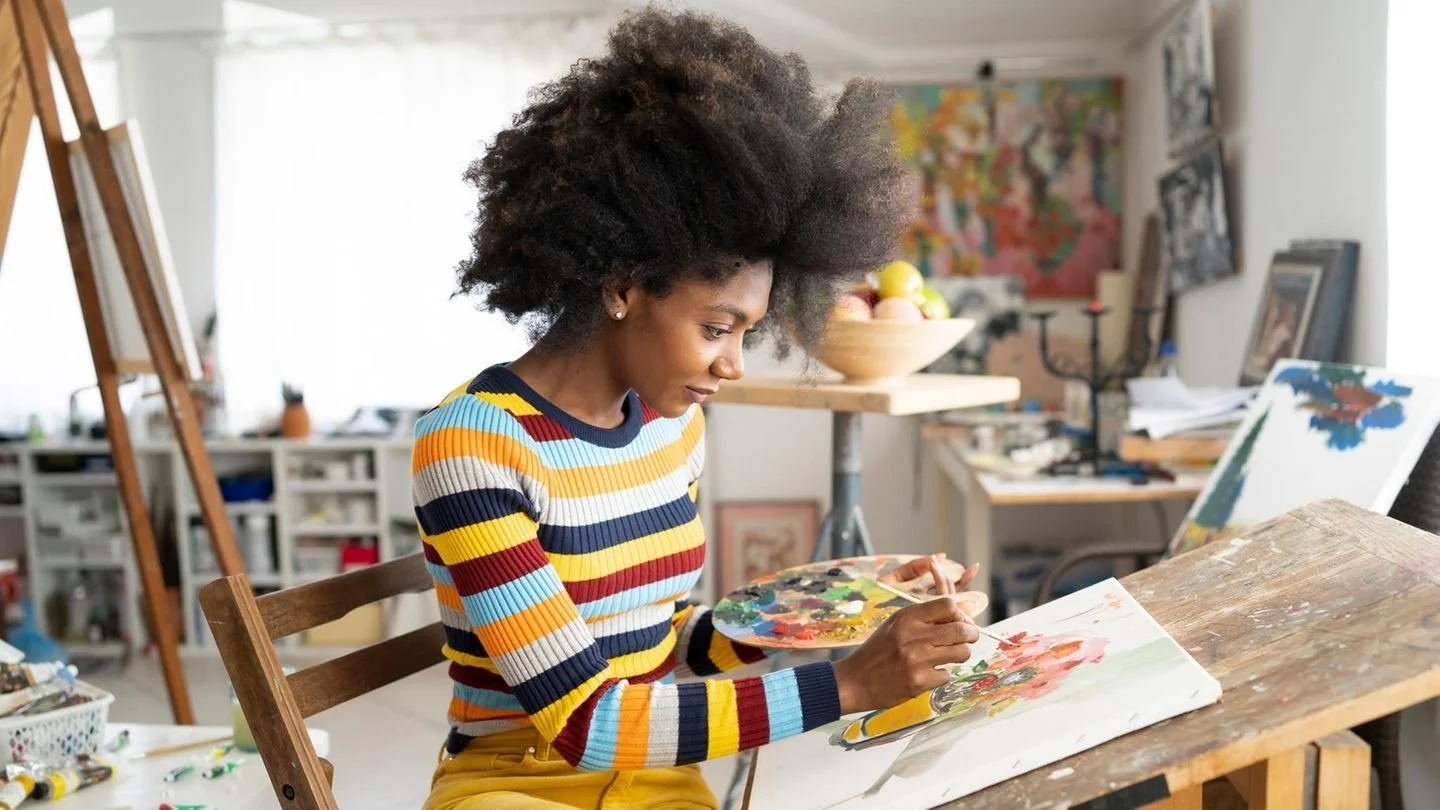
When most people think of therapy, they imagine talking. Sitting in a chair. Explaining your thoughts. Finding the right words. But what happens when the words don’t come? What if what you’re feeling is too complex, too overwhelming, or too difficult to explain? This is where art therapy offers a different path—one that goes beyond words and taps into something deeper.
What Is Art Therapy?
Art therapy is a form of mental health treatment that uses creative expression as a way to explore emotions, process experiences, and support healing.
It is facilitated by a trained therapist who guides clients in using art materials—such as drawing, painting, collage, or sculpting—to express what may be difficult to say out loud.
You don’t need to be “good at art” to benefit from art therapy.
The focus is not on the final product—it’s on the process of expression.
How Is Art Therapy Different From Talk Therapy?
Traditional talk therapy relies on verbal communication. Art therapy, on the other hand, allows individuals to access emotions nonverbally. This can be especially helpful when:
emotions feel overwhelming
memories are difficult to articulate
experiences are stored in the body rather than language
talking feels intimidating or exhausting
Art therapy creates another entry point into healing—one that doesn’t rely on having the “right words.”
Why Art Therapy Works for Trauma
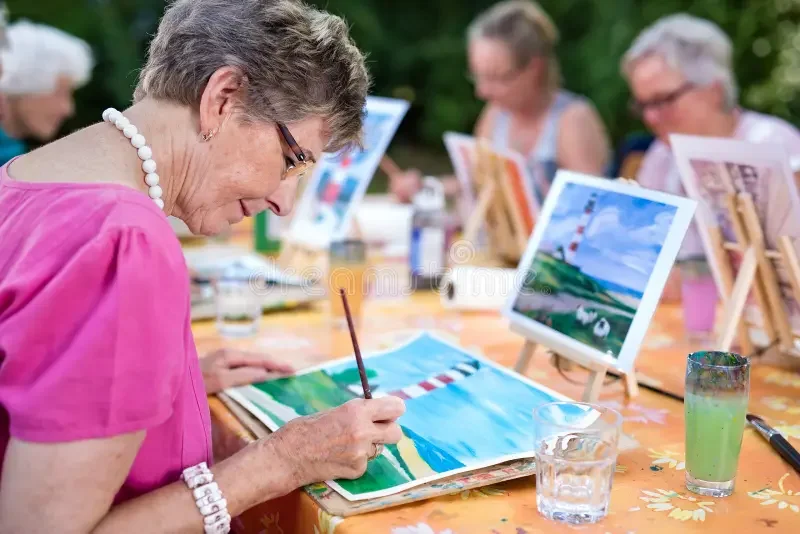
Trauma is not just stored as a story—it is stored in the body and the brain. Many traumatic experiences are processed in parts of the brain that are nonverbal, which means talking alone may not fully access or release them.
Art therapy helps bridge that gap.
Through creative expression, individuals can:
externalize internal experiences
process emotions safely
reduce intensity without becoming overwhelmed
reconnect with their body and senses
In this way, art therapy can gently access experiences that feel too difficult to approach directly.
What Happens During an Art Therapy Session?
Art therapy sessions are guided, supportive, and personalized. An art therapist may invite you to:
create an image based on a feeling or experience
use color, shape, or symbols to represent emotions
explore a theme through creative expression
reflect on what your artwork means to you
There is no pressure to create something “perfect.” The goal is to explore—not perform.
Who Can Benefit From Art Therapy?
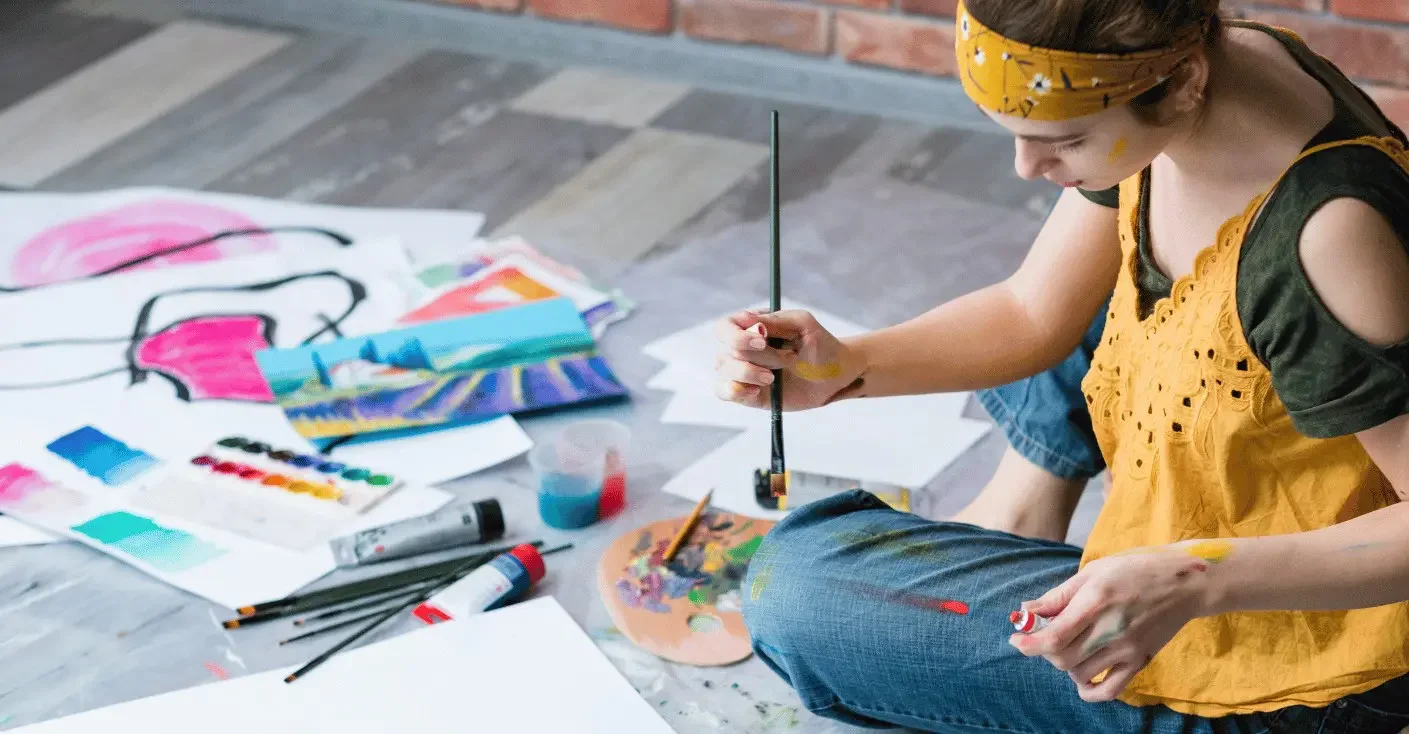
Art therapy can be helpful for people of all ages, including:
children who may not yet have the language to express emotions
teens navigating identity, stress, or peer relationships
adults processing trauma, anxiety, or life transitions
It can also support individuals experiencing:
trauma and PTSD
anxiety and depression
grief and loss
emotional dysregulation
difficulty expressing feelings
ADHD
disordered eating
Because art therapy meets people where they are, it can adapt to a wide range of needs.
Why Some People Feel Safer Expressing Through Art
For many individuals, creating art feels less vulnerable than speaking directly about emotions. Art allows for:
distance from difficult experiences
symbolic expression instead of direct disclosure
control over how much is shared
a sense of safety and containment
This can make it easier to begin the healing process—especially for those who feel overwhelmed by traditional therapy approaches.
The Role of Creativity in Healing
Creativity is not just about art—it’s about flexibility, expression, and connection. When you engage in creative processes, your brain shifts out of survival mode and into a state of exploration and integration. This can:
reduce stress
improve emotional regulation
increase self-awareness
support problem-solving
Creativity helps the nervous system experience something different—something safe.
Is Art Therapy Right for You?
You might benefit from art therapy if:
you struggle to put your feelings into words
you feel stuck in traditional talk therapy
you want a more experiential approach to healing
you are processing trauma or overwhelming emotions
you are drawn to creative expression
You don’t need any artistic skill—just a willingness to explore.
How Art Therapy Supports Long-Term Healing
Art therapy is not just about expression in the moment—it helps build lasting skills. Over time, individuals may develop:
greater emotional awareness
improved coping strategies
stronger connection to self
increased confidence in expression
It creates a space where healing can happen gradually, safely, and in a way that feels authentic.
Art Therapy Is Not About the Art—It’s About You
At its core, art therapy is about creating space for your experiences to exist—without pressure, without judgment, and without needing to explain everything perfectly. It offers a new way to be seen, understood, and supported.
At Prospering Minds Counseling, we provide art therapy as part of a trauma-informed approach to mental health care. Whether you’re navigating trauma, anxiety, or simply feeling stuck, art therapy can offer a different path forward—one rooted in creativity, safety, and self-discovery.
You Don’t Have to Find the Words to Start Healing
Sometimes healing begins with a conversation. And sometimes, it begins with a blank page.
Art Therapy in Carol Stream, IL: A Creative Approach to Healing
708-680-7486 | intake@prosperingmc.com
If you struggle to put your feelings into words or feel stuck in traditional talk therapy, art therapy can offer a different and powerful path forward.
At Prospering Minds Counseling, we provide art therapy for individuals in Carol Stream, Illinois and surrounding communities, helping clients explore emotions, process trauma, and build self-awareness through creative expression.
Art therapy can support:
trauma and PTSD
anxiety and emotional overwhelm
depression and mood concerns
identity exploration and self-expression
children, teens, and adults who benefit from nonverbal processing
You do not need to be artistic to benefit—art therapy is about the process, not the product.
We offer both in-person sessions near Carol Stream and virtual therapy across Illinois, making care accessible and flexible.
You deserve a space where you can express yourself freely—even without words.
Reach out today for a free consultation and explore how art therapy can support your healing.
708-680-7486 | intake@prosperingmc.com
