
Feeling Stuck in Therapy? Brainspotting May Help
Feeling Stuck in Therapy? Brainspotting May Help
Carly Wolfram, Licensed Clinical Professional Counselor (LCPC), Doctoral CandidateFeeling stuck in therapy even after years of talking? Brainspotting is a powerful trauma-focused therapy that helps process emotional pain stored in the brain and nervous system when traditional talk therapy no longer feels enough. This article explains how Brainspotting works, why trauma lives in the body, and how this deeper approach can help with anxiety, PTSD, perfectionism, emotional shutdown, and feeling “stuck” in healing.
You’ve done the talking.
You’ve explained the story.
You’ve processed the memories.
You understand where your anxiety, trauma, or emotional patterns come from. And yet… you still feel stuck. You still get triggered. Your body still reacts. The same anxiety, shutdown, or emotional overwhelm keeps showing up—even when you know better. If this sounds familiar, you’re not failing therapy. You may simply need an approach that goes deeper than words. This is where Brainspotting can help.
What Is Brainspotting Therapy?
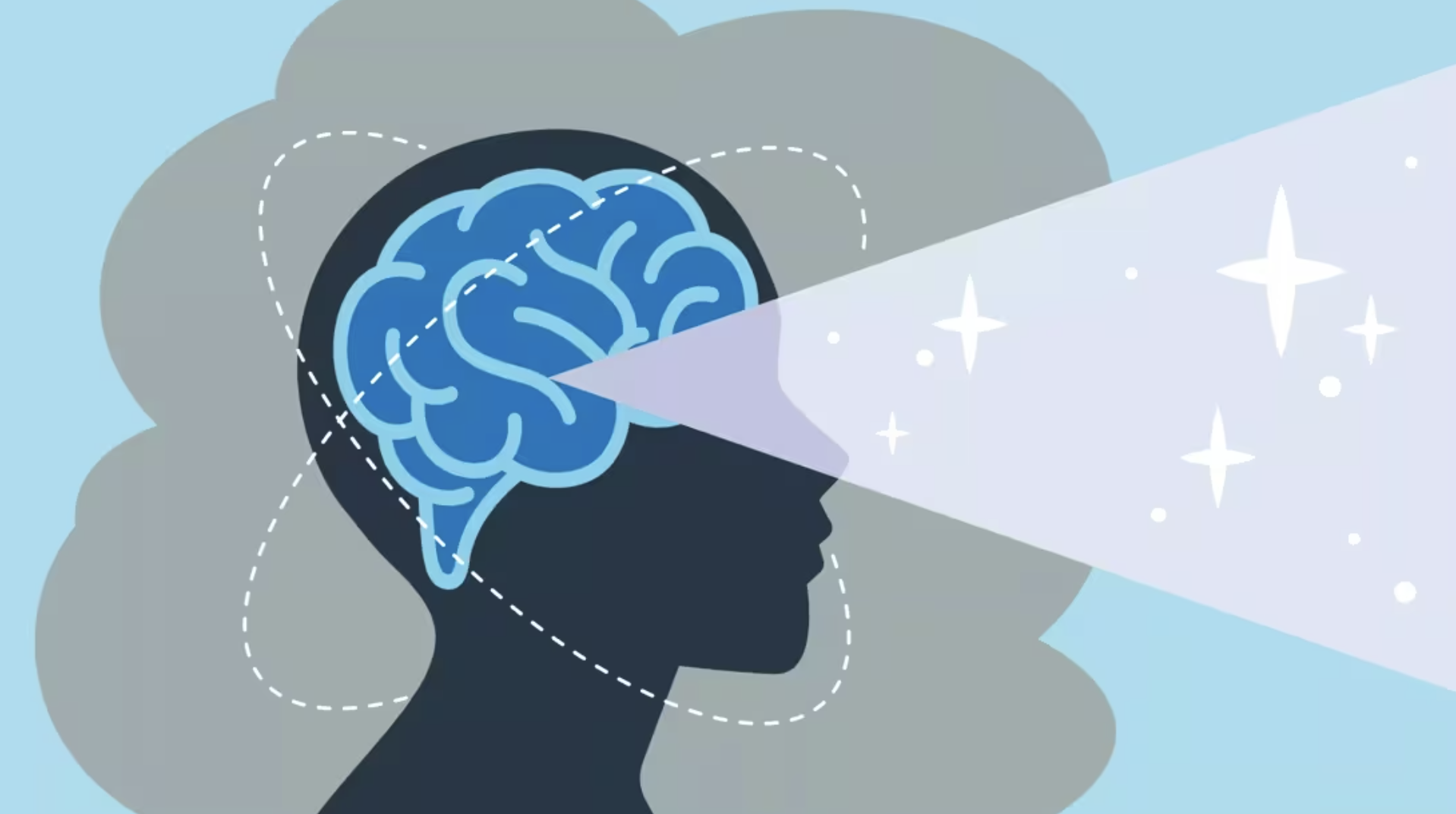
Brainspotting is a trauma-focused therapy that helps access and process emotional experiences stored deeper in the brain and nervous system. Unlike traditional talk therapy, Brainspotting focuses less on explaining the problem and more on helping the brain and body process what words alone cannot reach. It works from the understanding that:
“Where you look affects how you feel.”
Specific eye positions—called brainspots—can help access unresolved trauma, emotional pain, and nervous system patterns stored below conscious awareness.
Why Talk Therapy Sometimes Isn’t Enough
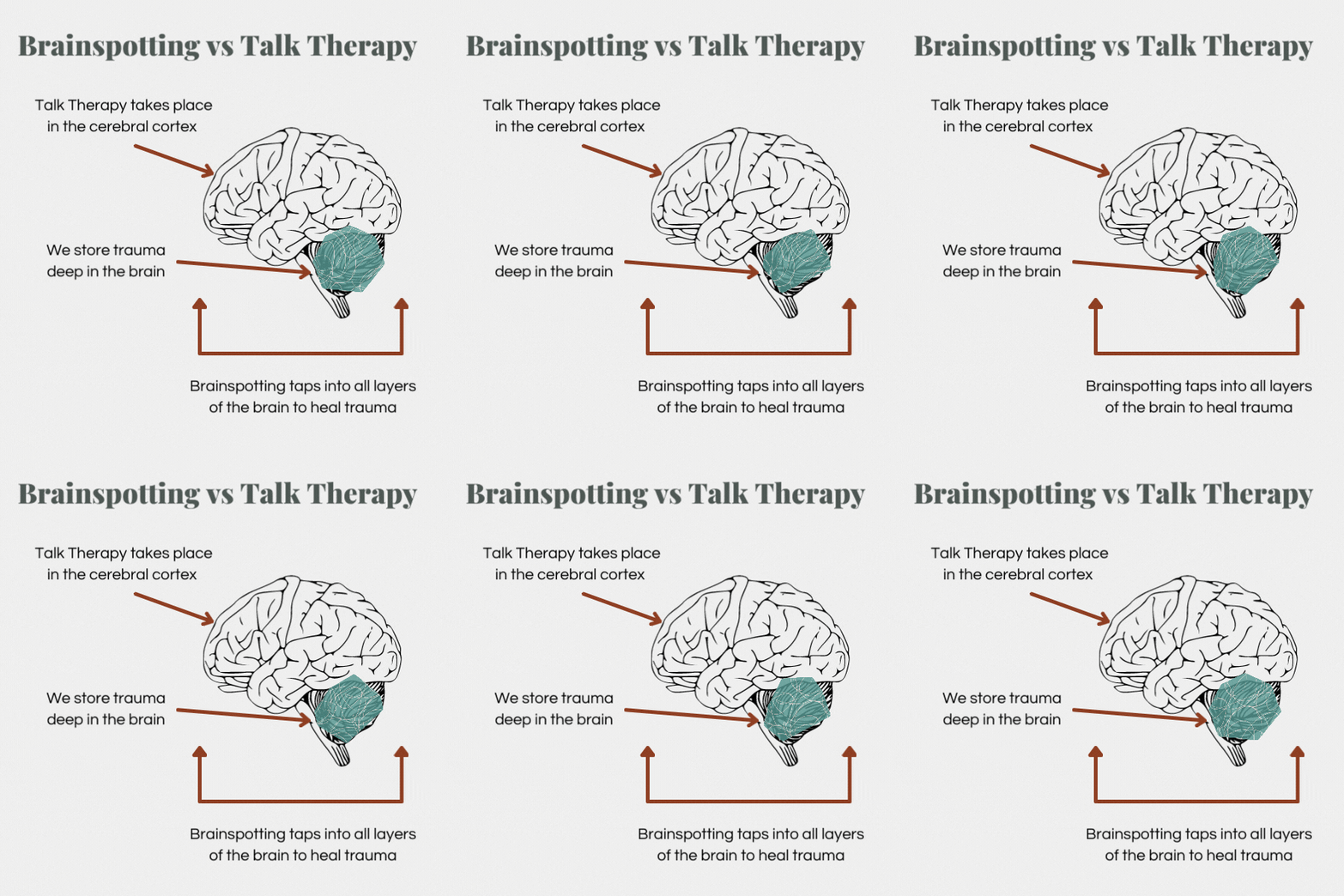
Talk therapy can be incredibly helpful. It builds awareness, insight, coping skills, and emotional understanding. But trauma is not only stored as a memory or thought—it is also stored in the body and nervous system. This is why many people say:
“I understand it logically, but I still feel stuck.”
“I know I’m safe, but my body doesn’t believe it.”
“I keep repeating the same patterns even though I know why.”
That’s because healing sometimes requires working with the nervous system—not just the thinking brain.
How Trauma Lives in the Body
Trauma often gets stored in nonverbal parts of the brain, especially when experiences were overwhelming, sudden, or chronic. This can show up as:
panic that seems to come out of nowhere
shutdown or freeze responses
hypervigilance
emotional numbness
difficulty trusting yourself
body tension or chronic stress
You may not consciously “remember” everything, but your nervous system does. Brainspotting helps access that deeper level of healing.
How Does Brainspotting Work?
In a Brainspotting session, you start by identifying something that feels emotionally stuck—maybe it’s a trigger, a strong body sensation, anxiety, or a memory that keeps resurfacing.
Your therapist then helps guide your focus to a specific eye position that connects to that emotional activation. This is called the “brainspot.”
That spot acts like an access point to deeper processing in the brain.
From there, the work begins naturally. You might notice body sensations, emotions rising to the surface, memories, images, or shifts in how your nervous system feels.
Some people feel tension release. Others notice emotions they couldn’t fully access before.
The goal isn’t to force anything or overanalyze it—it’s to give your brain the space to process what has been stored beneath the surface for a long time.
What Brainspotting Can Help With
Brainspotting can be especially helpful for people working through trauma, PTSD, anxiety, panic, perfectionism, and the constant pressure to perform. It’s also often used for relationship patterns, grief and loss, chronic stress, emotional shutdown, numbness, and that frustrating feeling of being deeply self-aware—but still stuck.
Many people turn to Brainspotting when traditional talk therapy starts to feel like it has hit a plateau. You understand the patterns. You can explain the problem. But your body still reacts the same way. That’s often where Brainspotting can help—by working with the deeper parts of the brain where those emotional responses are still being held.
What Makes Brainspotting Different From EMDR?
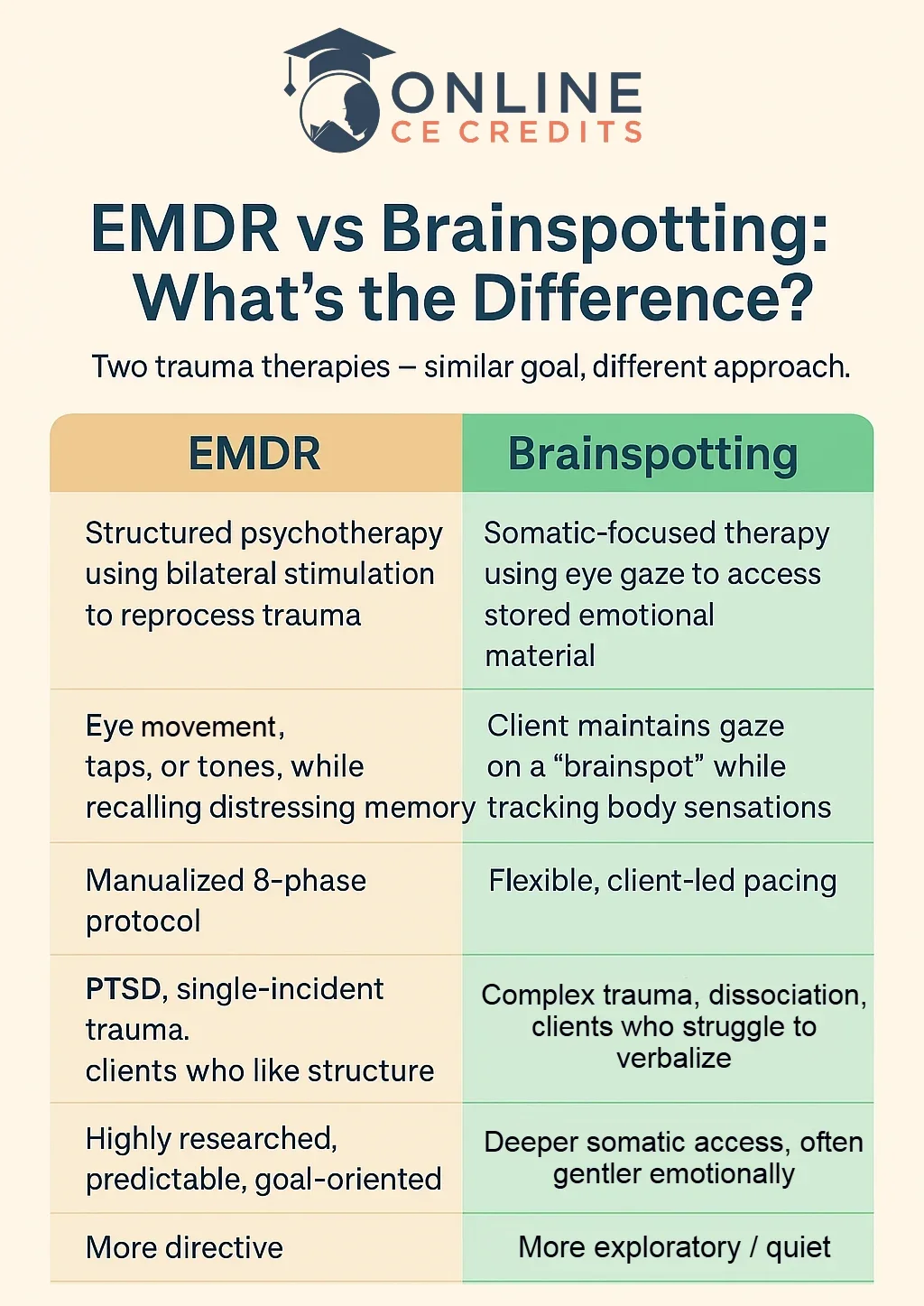
Both Brainspotting and EMDR are trauma-focused therapies that work with the brain and nervous system—but they are different. EMDR uses structured bilateral stimulation to process memories. Brainspotting focuses more on deep, focused presence and nervous system attunement through eye position. Many people find Brainspotting feels:
slower
less structured
more body-based
more intuitive
Both can be powerful—what works best depends on the person.
What Does Brainspotting Feel Like?
Many people expect Brainspotting to feel dramatic or intense, but often it feels surprisingly quiet and subtle.
For example, someone might come into session feeling overwhelmed by anxiety every time they receive a text from a certain family member. They know it seems small, but their body instantly tightens, their chest feels heavy, and they shut down.
During Brainspotting, as they focus on that feeling and settle into a specific eye position, they may first notice something simple—tightness in their stomach, pressure in their chest, or the urge to look away.
Then, without forcing it, an old memory might surface. Maybe it’s a moment from childhood when they felt criticized, unsafe, or responsible for someone else’s emotions.
Sometimes emotions rise unexpectedly—sadness, anger, grief, even relief. Other times, it may simply feel like deep focus, a quiet release, or physical relaxation afterward—like the body finally exhaling something it has been holding for years.
The most powerful part is that the brain often keeps processing even after the session ends. People may notice better sleep, less emotional reactivity, clearer boundaries, or a sense that something feels lighter—even if they can’t fully explain why.
Who Is Brainspotting Good For?
Brainspotting may be especially helpful if:
you feel stuck in therapy
you understand your patterns but still feel triggered
talking about trauma feels exhausting
your body reacts even when your mind feels “fine”
you struggle with anxiety, freeze, or emotional overwhelm
It is especially helpful for people who say:
“I know why I feel this way, but I can’t change it.”
How Brainspotting Helps the Nervous System Heal
Brainspotting helps move trauma from survival mode into processing. It supports the nervous system in releasing patterns of fight, flight, freeze, chronic hypervigilance and emotional shutdown. Instead of only understanding your trauma, you begin to feel differently in your body. That’s where real change often happens.
You Don’t Have to Keep Repeating the Same Pattern
Sometimes the reason therapy feels stuck is not because you’re doing it wrong. It’s because insight alone isn’t always enough. Sometimes healing requires:
nervous system regulation
body-based processing
deeper trauma work
At Prospering Minds Counseling, we offer Brainspotting as part of our trauma-informed approach to therapy. We help clients move beyond survival mode and into deeper healing—especially when traditional talk therapy no longer feels like enough.
Healing Doesn’t Always Happen Through More Talking
Sometimes it happens through presence. Through safety. Through your nervous system finally realizing: “I’m allowed to let this go.” And sometimes, that’s where healing truly begins.
Brainspotting Therapy in Carol Stream, IL
708-680-7486 | intake@prosperingmc.com
If you feel stuck in therapy—like you understand your trauma but still feel triggered, anxious, or emotionally overwhelmed—you’re not alone.
At Prospering Minds Counseling, we offer Brainspotting therapy in Carol Stream, Illinois, helping clients move beyond insight and into deeper nervous system healing.
Brainspotting is especially helpful for individuals struggling with:
trauma and PTSD
anxiety and panic
perfectionism and chronic stress
emotional shutdown or freeze mode
feeling stuck in repetitive emotional patterns
unresolved triggers that talk therapy hasn’t fully shifted
Our therapists provide both in-person Brainspotting sessions near Carol Stream and virtual therapy across Illinois, creating flexible, trauma-informed care that meets you where you are.
You do not have to keep repeating the same emotional patterns.
Sometimes healing requires more than talking—it requires helping your nervous system finally feel safe.
Reach out today for a free consultation and learn whether Brainspotting may be the right next step for your healing journey.
