
Renewing Faith on Your Terms: Healing When Religion Becomes Traumatic
Renewing Faith on Your Terms: Healing When Religion Becomes Traumatic
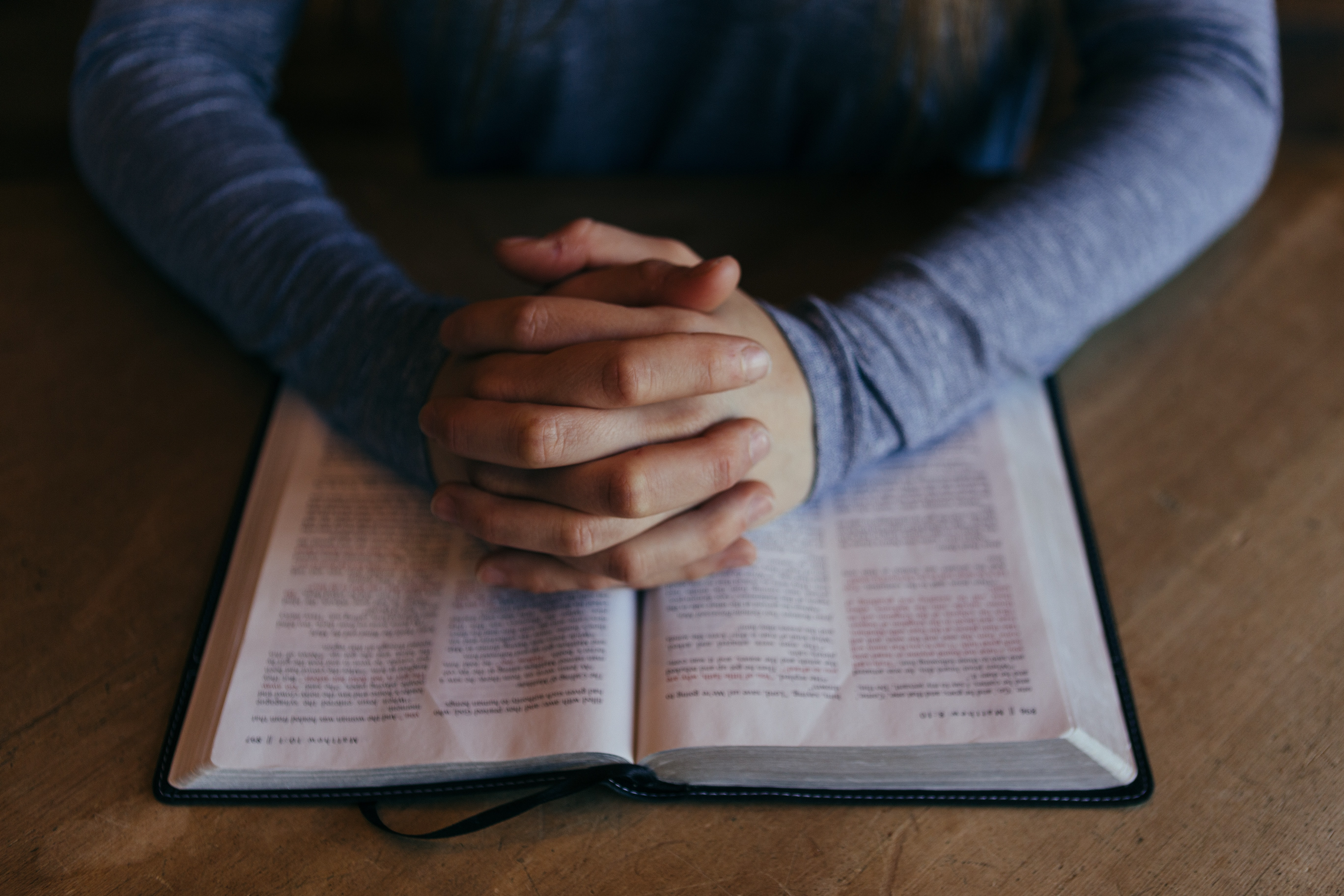
For many people, faith offers comfort, belonging, and a sense of purpose. But for others—especially those who have experienced complex trauma or harm within religious environments—faith can also be complicated, painful, or triggering. When religion becomes a source of fear, shame, or control instead of peace, the wounds can cut deeply and quietly. Spiritual trauma, often called religious trauma, takes root when beliefs or systems intended to offer meaning instead create emotional and psychological harm.
If religion has ever made you feel afraid, unworthy, silenced, or disconnected, you are not alone. Many survivors hold a longing for connection—not necessarily with a traditional faith structure, but with something deeper: a sense of inner peace, meaning, and spiritual autonomy. Healing doesn’t require rejecting spirituality; often, it means reclaiming it in a way that feels safe and authentic to you.
How Trauma Complicates Faith
Trauma—especially when it happens in childhood or within a high-control religious environment—can disrupt how you relate to yourself, others, and anything spiritual. You may feel guilty for questioning beliefs, anxious around religious spaces, or disconnected from practices that once felt comforting. Some people grieve the loss of community, identity, or certainty. Others struggle with fear-based messages that continue to echo inside long after leaving.
Religious trauma can show up as:
chronic guilt or shame
panic or fear around religious concepts
difficulty trusting yourself
confusion about beliefs
grief over losing community
fear of punishment, rejection, or failure
These reactions aren’t personal flaws—they are nervous system responses shaped by environments where safety and autonomy were compromised.
Reclaiming Choice Is Part of Healing
One of the most powerful steps in healing spiritual wounds is reclaiming your right to choose what you believe and how you engage with spirituality. High-control environments often dictate what is “right,” “holy,” or “acceptable,” leaving little room for individuality or questioning.
Healing means giving yourself permission to explore what feels true for you now. It may include:
redefining spirituality
setting boundaries with religious influences
letting go of shame-based doctrine
exploring new practices or belief systems
reconnecting with intuition
allowing beliefs to evolve
honoring your doubts and questions
Your spiritual path—if you choose to have one—belongs to you alone.
Healing Isn’t Linear

Rebuilding spiritual or emotional safety after religious trauma takes time. You may take steps forward, pause, step back, or feel stuck. This is normal. Healing often looks like a spiral, not a straight line.
You might experience:
grief for what you hoped religion would be
relief at building new beliefs
fear when exploring unfamiliar territory
anger toward systems or leaders who caused harm
hope as you reconnect with yourself
There is no “right way” to heal. There is only your way.
What Renewing Faith on Your Terms Can Look Like
Survivors often rediscover spirituality in gentler, more grounded ways. Instead of fear-based teachings or rigid doctrine, they explore connection through embodiment, creativity, or quiet reflection. Renewing faith may simply mean learning to trust yourself again.
This can include:
listening to your inner voice
creating personal rituals (journaling, art, meditation, nature walks)
revisiting traditions with new meaning
exploring diverse spiritual perspectives
building community outside of religion
embracing compassion over shame
Spirituality becomes something that supports healing—not something that restricts it.
How Trauma Therapy Supports Spiritual Healing

Therapy offers a safe space to process spiritual abuse, religious trauma, and identity confusion. Modalities such as EMDR, Brainspotting, Internal Family Systems (IFS), and Art Therapy help people heal from the emotional and somatic wounds caused by harmful religious experiences.
These approaches can help you:
release fear-based conditioning
reprocess traumatic memories
soothe nervous system activation
understand internal conflicts about faith
rebuild trust in your intuition
explore spirituality without pressure
Therapy isn’t about telling you what to believe. It’s about helping you feel safe enough to decide for yourself.
You Are Allowed to Create a Spiritual Life That Feels Safe
If religion became traumatic for you, it doesn’t mean you’re broken or faithless. It means your spirit was wounded in a place it should have been protected. You are allowed to heal, explore, question, and rebuild at your own pace.
Faith—if you want it—can be spacious, gentle, and grounding.
It can be yours.
It can evolve with you.
And it can exist without shame, fear, or coercion.
Healing is the act of taking back what was always yours: your voice, your autonomy, your worth, and your right to connect with the sacred—whatever that means to you.

Michael Langer, MSEd, MDiv, QMHP - Works with Religious and spiritual trauma.
