
Beyond Words: How Art Therapy Helps You Heal
Beyond Words: How Art Therapy Helps You Heal
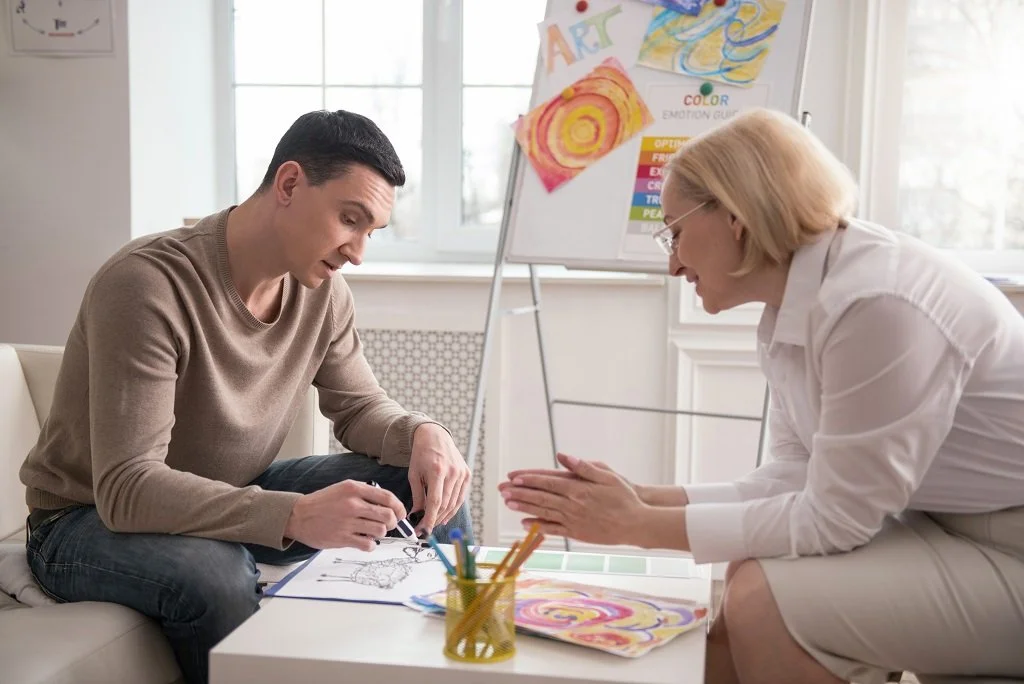
When words are hard to find—or when emotions live deeper than language—art therapy offers a powerful, gentle way to heal. Whether you’re a child struggling to express big feelings, a teen navigating identity and stress, or an adult carrying invisible wounds, art therapy can create space for understanding, expression, and transformation in ways traditional talk therapy sometimes cannot.
Art therapy isn’t about talent, skill, or producing something “beautiful.” It’s about using creativity as a bridge between the inner world and the outside world—a way to process emotions, memories, and experiences safely and meaningfully.
What Exactly Is Art Therapy?
Art therapy is a specialized therapeutic approach facilitated by trained, credentialed art therapists. It combines:
creative expression (drawing, painting, collage, sculpture, etc.)
psychotherapy
mind-body connection
trauma-informed principles
An art therapist helps clients use art-making to explore emotions, process trauma, reduce stress, and build resilience. The goal is not to create perfect artwork—it’s to support healing, insight, and emotional regulation.
Why Art Therapy Works for Trauma
Trauma isn’t stored as a neat story—it’s stored in:
sensations
images
emotions
fragmented memories
body responses
Because trauma is often nonverbal, verbal therapy alone may feel limited or overwhelming.
Art therapy allows people to:
express what cannot be said
externalize pain safely
regulate the nervous system
access deeper parts of the brain where trauma is held
process at their own pace
build a sense of control and empowerment
The art becomes a container—holding what once felt too big, too confusing, or too painful to carry alone.
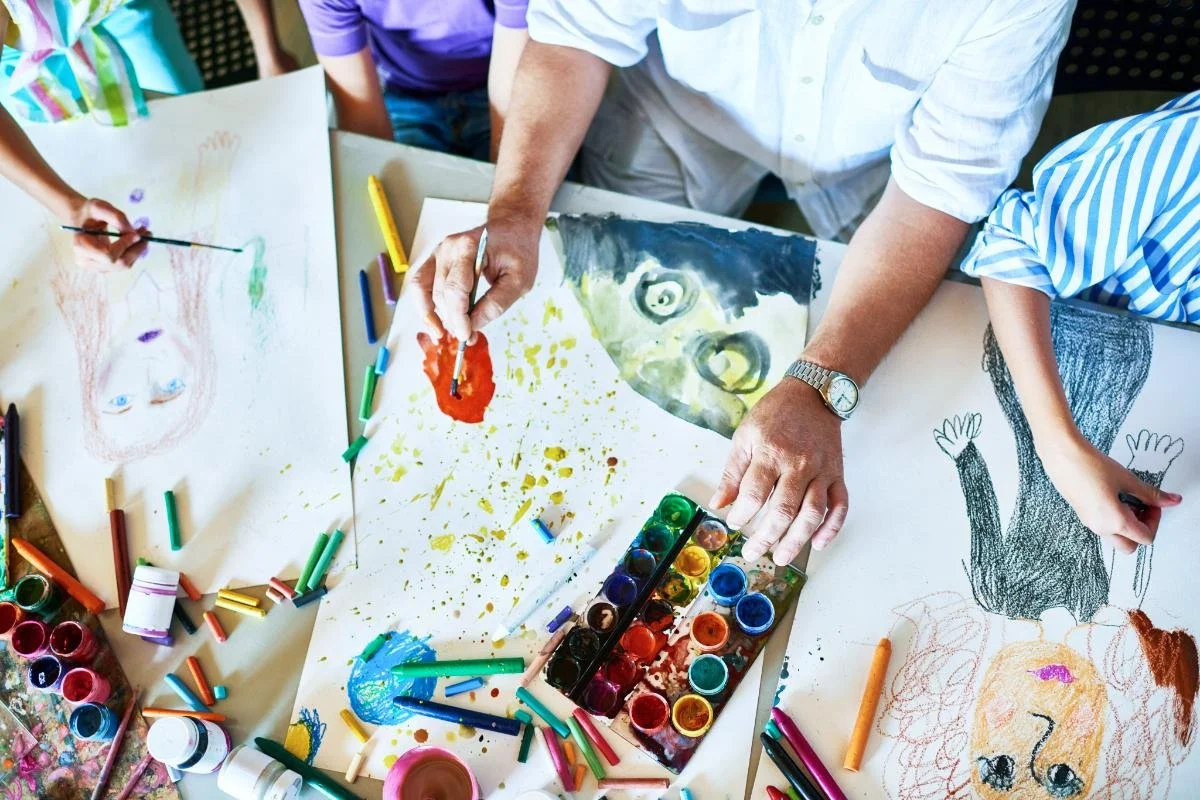
How Art Therapy Supports Mental Health for Children, Teens, and Adults
Art therapy is highly adaptable and effective across age groups because creativity is universal.
For Children
Kids often understand the world through play and images. Art therapy helps them:
express emotions they don’t yet have words for
reduce anxiety
process scary or confusing experiences
improve emotional regulation
build self-esteem
strengthen family communication
Child art therapy may include drawing, sensory art, storytelling, or imaginative play—all facilitated safely by a trained therapist.
For Teens
Adolescence brings big feelings, identity exploration, and social stress. Art therapy helps teens:
safely express anger, confusion, sadness, or overwhelm
reduce perfectionism and self-criticism
process trauma or bullying
explore identity and build confidence
understand emotional triggers
develop healthier coping skills
Art becomes a non-judgmental outlet when talking feels too vulnerable.
For Adults
Many adults carry childhood trauma, grief, shame, relationship wounds, or chronic stress. Art therapy can help them:
process memories and emotions at a deeper level
reduce anxiety and depression
reconnect with their inner child
heal from domestic or relational trauma
explore subconscious patterns
soothe the nervous system
build emotional resilience
Art therapy gives adults permission to slow down, reconnect, and release emotional tension stored in the body.
Common Mental Health Issues Art Therapy Helps Address
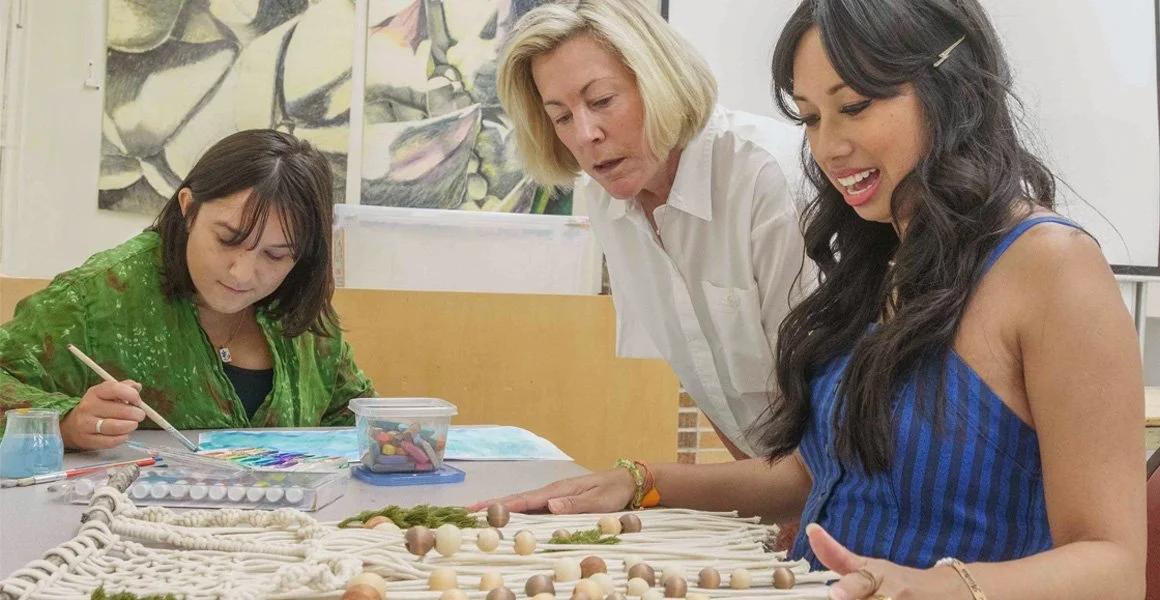
Art therapy is effective for a wide range of concerns, including:
Trauma and PTSD
Anxiety and panic
Depression
Grief and loss
Chronic stress
Childhood adversity
Behavioral issues
ADHD and emotional regulation challenges
Identity exploration
Self-esteem struggles
Family conflict
Because the process integrates mind, body, and creativity, it supports healing from multiple angles.
What Happens in an Art Therapy Session?
A typical session may include:
guided art-making
free drawing or painting
collage or mixed media
clay, sculpture, or textured materials
grounding or sensory techniques
discussion about the art
symbolic exploration
trauma-informed processing
Clients don’t need any artistic skill—just openness to the process. The therapist helps interpret imagery, connect emotions, and regulate the nervous system using art as a therapeutic pathway.
Why Art Therapy Is Especially Powerful for Trauma Survivors
Art therapy supports trauma healing by:
helping the body release stored tension
making the unspeakable expressible
creating emotional distance and safety
reducing shame and self-blame
encouraging empowerment and clarity
fostering connection between past and present
It honors the truth that trauma isn’t just a memory—it’s a lived experience held in the body and expressed in subtle, often nonverbal ways.
Healing Through Creativity Is for Everyone
Whether you’re a child struggling with big feelings, a teen overwhelmed by pressure, or an adult seeking relief from trauma or emotional burnout, art therapy offers a gentle, powerful path toward healing.
You don’t have to be an artist.
You don’t have to know what to draw.
You don’t even have to speak if speaking feels too hard.
You just need a willingness to explore, create, and let your inner world come forward.
Because sometimes healing begins not with words—but with color, texture, movement, and meaning.
Schedule with Becky today! Our awesome art therapist!

Rebecca Janssens, MS, LPC, ATR-P
