
Why Trauma Gets Triggered During the Holidays
Why Trauma Gets Triggered During the Holidays—and How Trauma Therapy Can Help



The holidays are often portrayed as joyful, cozy, and full of togetherness—but for many people, this season brings up stress, grief, conflict, and emotional overwhelm. Even when things are going well, you might notice old memories resurfacing, anxiety showing up more strongly, or your body feeling tense without fully understanding why.
If you find yourself emotionally activated during the holidays, you are not alone—and nothing is wrong with you. Trauma often becomes more easily triggered during this time of year, and understanding why can help you approach the season with more compassion and support.
The good news? Trauma-focused therapies like EMDR, Brainspotting, Internal Family Systems (IFS), and Art Therapy can help you navigate these triggers, calm your nervous system, and gently heal what’s underneath.
Why the Holidays Trigger Trauma
1. Family Dynamics Resurface
Old patterns often re-emerge when we return to the people or environments where wounds first formed. Even brief contact—through visits, messages, or expectations—can activate:
childhood trauma
attachment wounds
shame
hypervigilance
people-pleasing or freeze responses
Your body doesn’t forget what it lived through.
2. Memories and Associations Are Everywhere
Holiday music, smells, traditions, and locations can act as sensory triggers. Trauma is largely nonverbal and stored in the nervous system, so even subtle cues can bring up:
grief
loneliness
anxiety
painful memories
Sometimes you don’t even consciously realize why you’re suddenly dysregulated.
3. Pressure to “Be Happy”
When the world says you should feel cheerful, it can intensify:
shame
comparison
emotional numbness
overwhelm
This pressure makes it harder to honor what you’re actually feeling.
4. Loss Feels Bigger This Time of Year
Whether the loss is recent or years old, the holidays magnify:
grief
family changes
breakups
death of loved ones
lost childhood experiences
unfulfilled hopes
Grief becomes louder when the world celebrates togetherness.
5. Stress Over Schedules, Finances, and Expectations
The holidays often involve:
overstimulation
crowded events
disrupted routines
financial strain
obligations
For a nervous system shaped by trauma, this extra stress can feel like too much.
How Trauma Therapy Can Help You Heal Holiday Triggers
Trauma triggers don’t mean you’re broken—they mean something inside you needs attention, compassion, and support. Trauma-informed therapies work with the brain, body, and emotions to help you regulate and heal.
Here’s how each approach can help:
EMDR (Eye Movement Desensitization and Reprocessing)
EMDR helps reprocess trauma so your brain can understand that old painful experiences are in the past. This is especially helpful when the holidays bring up:
childhood memories
shame
traumatic events
family-related triggers
grief
EMDR helps reduce the emotional charge, allowing you to stay grounded instead of overwhelmed.
Brainspotting
Brainspotting targets trauma stored in the deeper, subcortical parts of the brain—the parts responsible for overwhelm, dissociation, and emotional activation.
This therapy is especially useful for holiday triggers because it helps:
regulate the nervous system
access body-held memories
release emotional tension
calm hypervigilance
Even if you can’t name what’s triggering you, Brainspotting helps the body resolve what the mind can’t articulate.
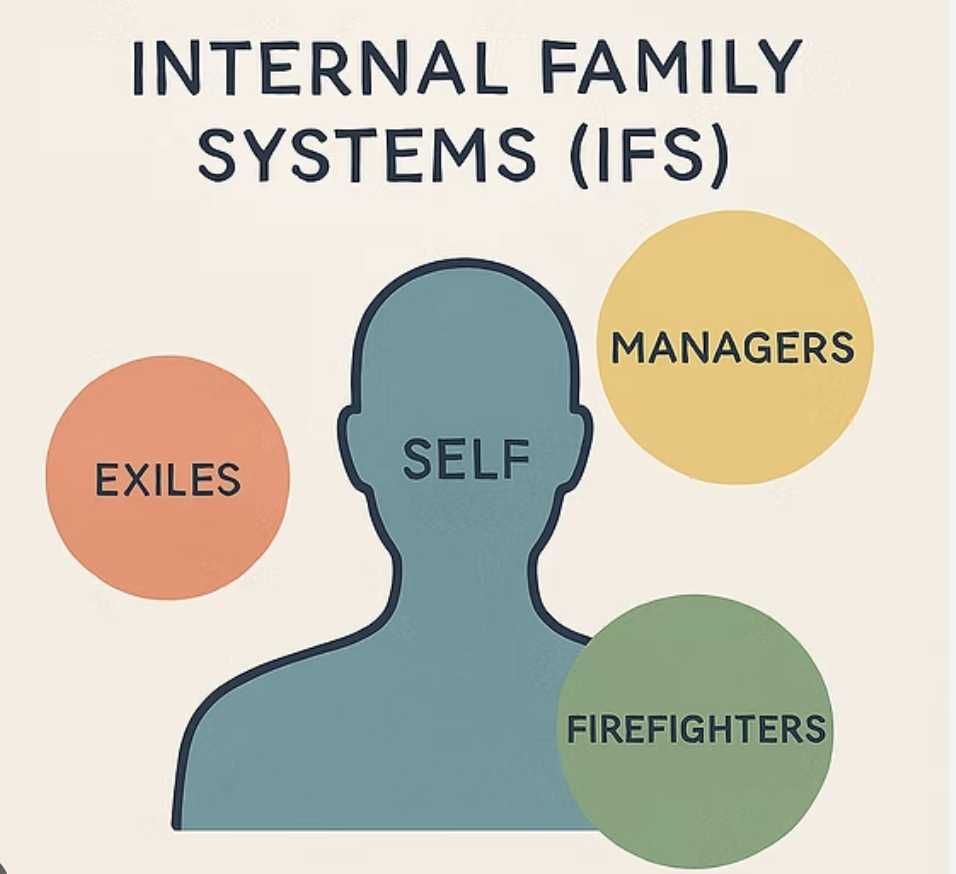
Internal Family Systems (IFS)
IFS works with the different “parts” of you—especially the ones that become activated during the holidays:
the anxious part
the overwhelmed part
the inner child
the people-pleasing part
the part that shuts down
IFS helps you understand these parts with compassion, not shame. This allows you to stay grounded and connected to your Self—the calm, wise center inside you.
Art Therapy
Art therapy provides a safe, creative way to process emotions you can’t put into words. During the holidays, art therapy helps:
externalize emotions
express grief
soothe the nervous system
process memories
feel grounded
You don’t need artistic skill—just a willingness to explore.
You Don’t Have to Manage Holiday Triggers Alone
If you dread the holidays or feel emotionally activated during this time, you deserve support. Trauma therapy offers a space where your feelings are valid, your experiences are honored, and your healing happens at your pace.
You don’t have to pretend everything is fine.
You don’t have to navigate your triggers by yourself.
You don’t have to carry these invisible wounds any longer.
Trauma-informed therapy can help you build:
emotional resilience
nervous system regulation
healthier boundaries
self-compassion
tools for holiday stress and beyond
Your healing is possible—and you deserve support every step of the way.
