
What Does Brainspotting Feel Like?
What Does Brainspotting Feel Like?
Understanding the Experience of This Deep Trauma Therapy
Carly Wolfram, Licensed Clinical Professional Counselor (LCPC), Doctoral CandidateWhat does Brainspotting feel like? Brainspotting is a powerful trauma therapy that helps process emotional pain stored in the brain and nervous system without relying only on talk therapy. This article explains what happens during a Brainspotting session, what emotions and body sensations you may notice, and how Brainspotting helps with trauma, anxiety, PTSD, emotional shutdown, and nervous system healing.

Brainspotting is a powerful, rapidly growing therapeutic approach that helps people process trauma, anxiety, emotional overwhelm, and deeply held stress that traditional talk therapy may not fully reach.
At Prospering Minds Counseling, we often work with clients who say things like: “I understand why I feel this way… but I still feel stuck.” They’ve done the insight work. They know the pattern. They can explain the trigger. But their nervous system is still holding the trauma. That’s where Brainspotting can help.
Derived from EMDR and developed by Dr. David Grand, Brainspotting helps clients access deeper brain-body processing by using eye position to locate where trauma is stored in the nervous system.
Rather than talking through every detail, Brainspotting allows the brain and body to do the work of processing—often creating relief where words alone have not.
The Basics of Brainspotting
Brainspotting is a treatment method designed to help people access, process, and release unresolved trauma, negative emotions, and nervous system activation.
It was developed by Dr. David Grand during his work as an EMDR therapist. While EMDR uses back-and-f-forth eye movements to help process trauma, Brainspotting focuses on identifying one specific eye position—or “brainspot”—where the client feels a strong emotional or physical response. Instead of moving the eyes continuously, the client stays with that spot. This allows deeper access to the subcortical brain, where trauma is often stored beneath conscious awareness.
Brainspotting can be especially helpful for:
trauma and PTSD
complex trauma
anxiety and panic
perfectionism
emotional shutdown
chronic overwhelm
performance anxiety
grief and loss
relationship patterns
unresolved childhood experiences
It’s also highly effective for people who tend to intellectualize their emotions or feel frustrated that traditional therapy hasn’t created lasting change.
The Science Behind Brainspotting
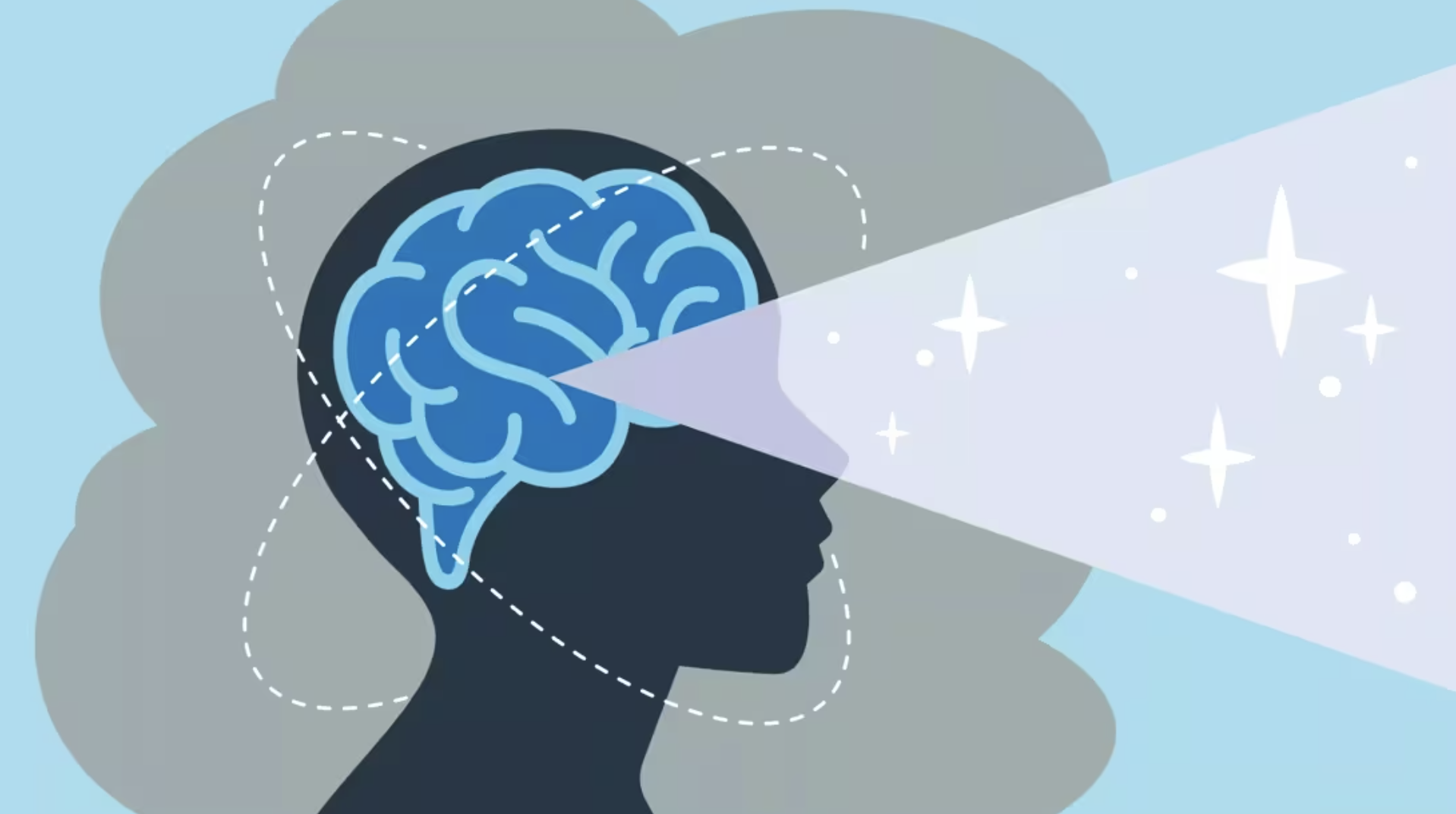
The foundation of Brainspotting lies in the strong connection between eye position and brain function.
Our eyes are directly connected to the brain through neural pathways. In many ways, the eyes act as an access point into the nervous system.
Specific eye positions can activate emotional memories, body sensations, and trauma responses stored below conscious thought.
When a therapist helps identify that “brainspot,” the client focuses their gaze there while staying connected to what they notice internally—emotionally and physically.
This may include:
tightness in the chest
heaviness in the stomach
warmth or tingling
tension in the shoulders
sudden sadness or anger
unexpected memories
exhaustion
relief after release
Trauma often lives in the body. Brainspotting helps create space for the nervous system to process what has been held there—without forcing clients to explain every detail out loud. Many sessions also use bilateral sound, which supports both hemispheres of the brain in processing, similar to the natural integration that happens during REM sleep. This creates a deeper, more holistic healing experience than traditional talk therapy alone.
What Happens During a Brainspotting Session?

At Prospering Minds Counseling, Brainspotting sessions are personalized to each client and each experience.
A session often begins by identifying something you’d like to work on, such as:
a trigger
anxiety
a trauma memory
perfectionism
emotional numbness
body tension
burnout
recurring dreams
relationship stress
You do not need to explain everything in detail. Sometimes the focus is simply noticing how something feels in your body. Your therapist helps you identify where that activation lives emotionally and physically. Then, together, you locate the eye position connected to that experience—the brainspot. From there, the work becomes less about talking and more about allowing your nervous system to process.
In Brainspotting, we often use the phrase:
“Follow the tail of the comet.”
This means we follow whatever naturally arises—thoughts, emotions, sensations, memories, or shifts in the body. Each session is different because each person’s healing process is different.
Brainspotting for People Who Feel Stuck in Therapy
Many clients come to Brainspotting after years of traditional therapy. They’ve done the work. They understand the why. But they still feel activated. They still feel anxious. They still react in ways they wish they could change. Brainspotting is often especially helpful for:
people who overthink or intellectualize
perfectionists
high achievers
therapists and helping professionals
adults with childhood trauma
people navigating burnout
ADHD clients who struggle with traditional therapy structure
Sometimes healing requires more than insight.
Sometimes the body needs space to process what the mind already understands.
Brainspotting for Therapists and Self-Care
Brainspotting can also be incredibly helpful for therapists, caregivers, and helping professionals who carry emotional residue from their work.
Holding space for others is meaningful—but it can also be heavy.
Self-spotting and Brainspotting-based nervous system work can help therapists process stress, reduce burnout, and stay connected to their own emotional wellness.
This allows clinicians to show up more grounded, regulated, and present for both themselves and their clients.
How to Find a Brainspotting Therapist
At Prospering Minds Counseling, we offer Brainspotting as part of our trauma-informed approach to healing.
We work with adults, adolescents, and professionals navigating anxiety, trauma, perfectionism, emotional shutdown, and nervous system overwhelm.
We also collaborate closely with:
pediatricians
physicians
therapists
school counselors
healthcare providers
when clients feel “stuck” in treatment progress and need deeper processing support.
We are currently accepting new clients and accept most major private insurance plans.
To connect with our team:
📞 Call: 708-680-7486
📧 Email: intake@prosperingmc.com
In Closing
Brainspotting offers a powerful path for healing that goes beyond words.
Whether you’re working through trauma, chronic stress, perfectionism, grief, or simply feeling stuck in therapy, Brainspotting helps the nervous system process what has been held beneath the surface.
At Prospering Minds Counseling, we believe healing happens when both the mind and body are given space to do their work.
Sometimes the next step is not more talking. Sometimes it’s deeper processing.
