
Prospering Minds Counseling Blog
helping you prosper
The Prospering Minds Counseling Blog provides accessible, evidence-based mental health education to support individuals and families in understanding emotional wellness. We break down complex topics into practical insights that empower growth, resilience, and self-awareness. Our goal is to reduce stigma and offer trusted guidance as we continue helping you prosper.


Executive Dysfunction or Self-Protection? Understanding Avoidance
Avoidance is not always laziness, irresponsibility, or lack of discipline. For trauma survivors and people with anxiety, ADHD, depression, chronic stress, or executive dysfunction, avoidance may be a form of self-protection from anticipated shame, failure, disappointment, conflict, criticism, or overwhelm. This article reframes avoidance as information, explores patterns like ghosting, over-researching, scrolling, cleaning, over-helping others, and perfectionistic delaying, and offers trauma-informed ways to reduce the threat level of tasks while still supporting accountability.

Why Executive Functioning Advice Fails Trauma Survivors
Traditional executive functioning advice often fails trauma survivors because it assumes the person feels safe, motivated, and able to tolerate pressure. This article explains how trauma can affect planning, focus, motivation, emotional regulation, and follow-through. It explores how procrastination, avoidance, freezing, people-pleasing, perfectionism, and inconsistency may be nervous system responses rather than laziness or lack of discipline. Trauma-informed support begins with safety, compassion, and regulation before productivity strategies.

What Does Brainspotting Feel Like?
What does Brainspotting feel like? Brainspotting is a powerful trauma therapy that helps process emotional pain stored in the brain and nervous system without relying only on talk therapy. This article explains what happens during a Brainspotting session, what emotions and body sensations you may notice, and how Brainspotting helps with trauma, anxiety, PTSD, emotional shutdown, and nervous system healing.

When Words Aren’t Enough: Art Therapy for Alexithymia
Alexithymia—difficulty identifying and expressing emotions—is common in neurodivergent individuals, including those with autism and ADHD. This article explores how art therapy provides a nonverbal, creative approach to building emotional awareness, reducing overwhelm, and improving self-expression. Learn how art therapy supports emotional regulation and offers an effective alternative to traditional talk therapy for neurodivergent individuals.

Art Therapy for Social Anxiety in Kids & Teens
Art therapy offers a powerful, nonverbal approach to helping adolescents manage social anxiety. This article explores how creative expression reduces pressure to talk, supports emotional regulation, and builds confidence in teens who struggle with social situations. Learn how art therapy can help adolescents process anxiety, improve self-expression, and feel more comfortable connecting with others.

Why Trauma Survivors Use Dark Humor
Is dark humor a trauma response? Many trauma survivors use humor as a coping mechanism to manage emotional pain, reduce stress, and create distance from overwhelming experiences. This article explores how humor and dark humor function in the brain, when humor supports resilience, and when it may be used to avoid deeper emotions. Learn how therapy can help you balance humor with emotional healing and connection.

Is Workaholism a Trauma Response?
Workaholism can be more than ambition—it may be a coping response to trauma or a form of process addiction. This article explores how overworking can function as emotional avoidance, why slowing down feels uncomfortable, and how trauma impacts the nervous system and productivity patterns. Learn how to recognize workaholism, reduce burnout, and build healthier ways to regulate stress through therapy and self-awareness.
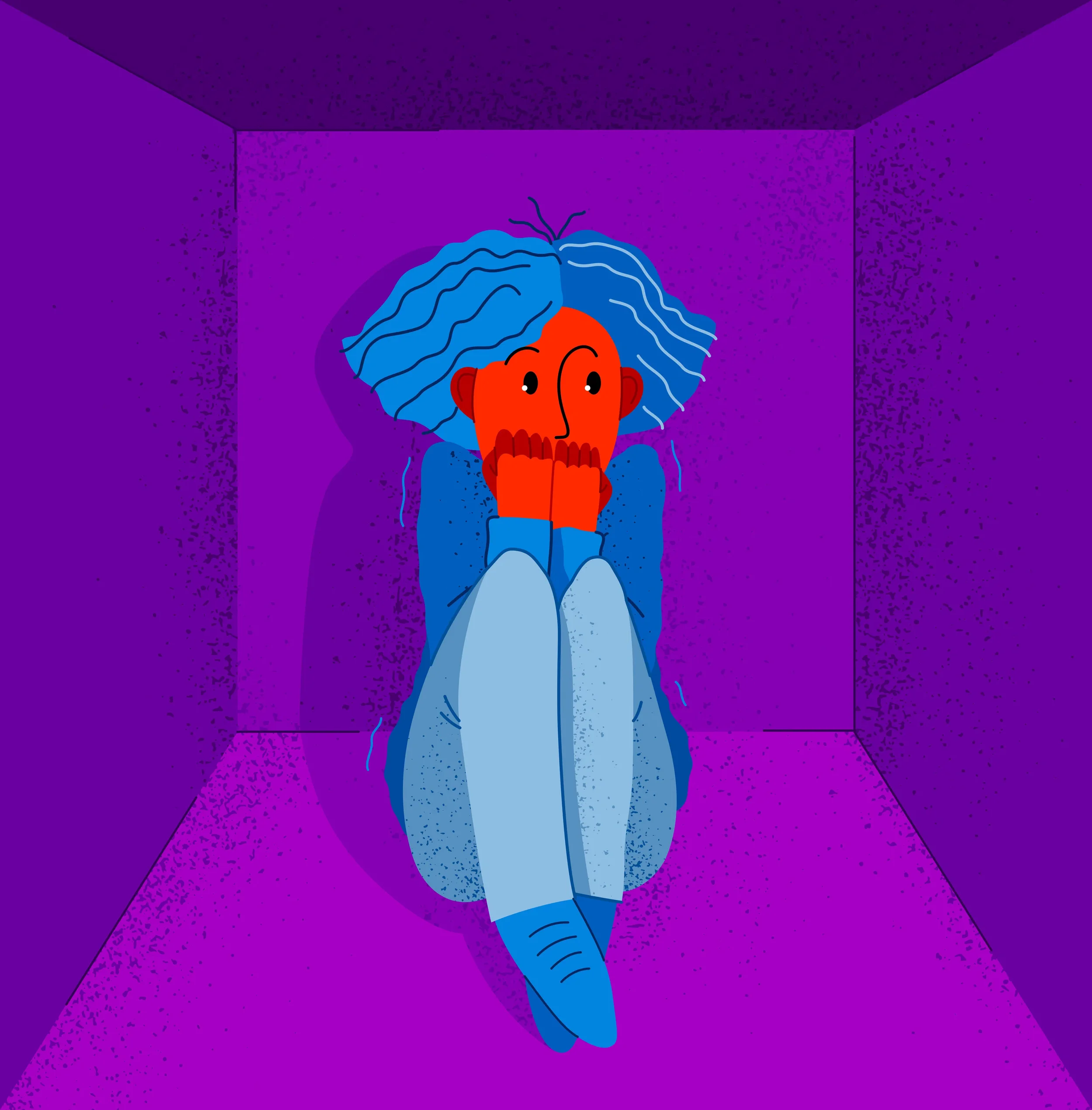
How to Get Out of Freeze Mode
Feeling stuck, numb, or unable to act? Freeze mode is a common trauma response where the nervous system shuts down due to overwhelm. This article explains why freeze happens, what it feels like, and how to gently come out of it using body-based strategies and nervous system regulation. Learn how trauma-informed therapy can help you move out of shutdown and regain a sense of control and connection.

How Trauma Affects Sleep
Trauma can significantly disrupt sleep, leading to insomnia, nightmares, and chronic exhaustion. This article explains the connection between trauma and sleep problems, why PTSD often causes sleep disturbances, and how poor sleep can worsen anxiety, hypervigilance, and emotional regulation. Learn why sleep is essential for trauma recovery and how trauma-informed therapy can help restore healthy sleep patterns.

Understanding Self-Harm
Self-harm is often misunderstood and surrounded by stigma, yet millions of adolescents and adults struggle with non-suicidal self-injury as a way to cope with overwhelming emotions. This article explores the realities of self-harm, common misconceptions, and why individuals may engage in behaviors like cutting, scratching, or other forms of self-injury. Learn how self-harm develops as a coping mechanism, the cycle it can create, and how therapy can help individuals develop healthier ways to manage distress and begin healing.

The Power of Communication in Relationships
Healthy communication is the foundation of strong relationships. This article explores how communication develops, the importance of assertive communication, and practical fair fighting rules to improve conflict resolution in romantic relationships. Learn how counseling at Prospering Minds Counseling in Carol Stream can help individuals and couples strengthen communication skills, reduce conflict, and build healthier, more connected relationships.

How a Supervised Intern Can Boost Your Mental Health
Choosing a supervised intern for therapy can be one of the most supportive and cost-effective ways to begin your mental health journey. This article explores how supervised interns—guided by experienced, licensed clinicians—offer fresh perspectives, current evidence-based techniques, and deeply attentive care. Learn why working with a therapist-in-training in Carol Stream can provide both high-quality treatment and a strong therapeutic relationship, all while making therapy more accessible and affordable.
Reach Out Today!
Questions? Reach out today to schedule a consultation call. Someone from our team will reach out within 24 business hours. You may also reach out to our team by phone or email, listed below.
Phone: 708-680-7486
Email: intake@prosperingmc.com
Address:
640 E Saint Charles Road, Unit 202, Carol Stream, IL 60188