
How to Get Out of Freeze Mode
How to Get Out of Freeze Mode: Why You Feel Stuck and How to Start Moving Again
Carly Wolfram, Licensed Clinical Professional Counselor (LCPC), Doctoral CandidateFeeling stuck, numb, or unable to act? Freeze mode is a common trauma response where the nervous system shuts down due to overwhelm. This article explains why freeze happens, what it feels like, and how to gently come out of it using body-based strategies and nervous system regulation. Learn how trauma-informed therapy can help you move out of shutdown and regain a sense of control and connection.
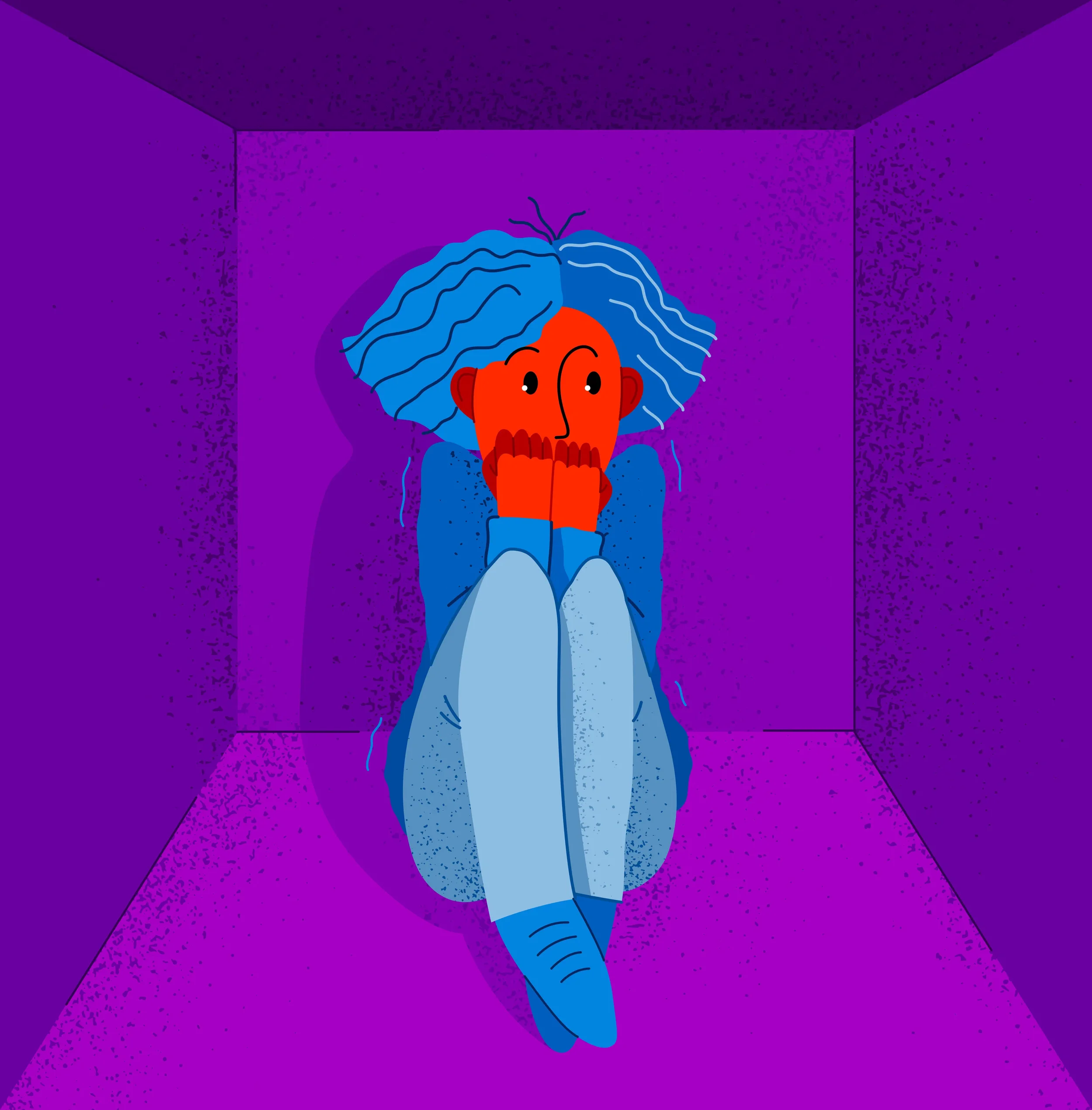
You tell yourself to just start. Respond to the text. Do the task. Get out of bed. But your body doesn’t move. It’s not that you don’t care. It’s not that you’re lazy. It’s not even that you don’t want to do the thing. It’s that something inside you feels… stuck. Heavy. Numb. Disconnected. Frozen.
If this feels familiar, you may be experiencing freeze mode, a common trauma response. And the most important thing to know is this:
You’re not broken.
Your nervous system is trying to protect you.
What Is Freeze Mode in Trauma?
Freeze is one of the body’s automatic survival responses. When your brain senses danger and doesn’t believe fight or flight will work, it shifts into shutdown. Instead of mobilizing energy, your system slows everything down.
Freeze mode can feel li
numbness or emotional disconnection
exhaustion or low energy
difficulty making decisions
feeling stuck or “paralyzed”
brain fog or lack of focus
zoning out or dissociation
It’s often misunderstood as laziness or lack of motivation—but it’s actually a biological response to overwhelm.
Why Do I Feel Stuck in Freeze Mode?
Freeze happens when your nervous system feels that something is too much to handle. This could be:
past trauma or chronic stress
emotional overwhelm
conflict or relational stress
fear of failure or rejection
too many demands at once
Your body essentially says:
“We can’t fight this. We can’t run from this. So we shut down.”
The problem is, even when the danger is no longer present, your body may stay stuck in that state.
What Does Freeze Mode Feel Like Day-to-Day?
Freeze doesn’t always look dramatic. It often shows up in everyday life as:
procrastination that feels impossible to break
scrolling or zoning out for long periods
avoiding decisions
feeling disconnected from yourself or others
wanting to act but feeling unable to start
You may also feel frustrated with yourself, wondering:
“Why can’t I just do this?”
That frustration can make the freeze response even stronger.
How Do You Get Out of Freeze Mode?

The key is this:
You don’t force your way out of freeze.
You gently bring your nervous system back into safety.
Trying to push yourself harder often backfires. Your system doesn’t need pressure—it needs regulation.
Step 1: Start With the Body, Not the Mind
When you’re in freeze, thinking your way out doesn’t usually work. Start with your body instead. Try:
wiggling your fingers or toes
standing up and stretching
taking a short walk
changing temperature (cold water, fresh air)
Small movements signal to your nervous system:
“We’re safe enough to move.”
Step 2: Lower the Bar (A Lot)
Freeze often gets worse when tasks feel overwhelming.
Instead of:
“I need to finish everything today”
Try:
“I’m going to do this for 2 minutes”
Even the smallest action can begin to shift your system out of shutdown.
Step 3: Orient to the Present Moment
Freeze is often tied to past overwhelm. Grounding helps bring your brain back to the present.
Try noticing:
5 things you can see
4 things you can touch
3 things you can hear
If possible:
2 things you can smell
1 thing you can taste (preferrably something sour or very minty to ‘wake' you up)
This helps your nervous system recognize that you are not in immediate danger.
Step 4: Add Gentle Activation
Once your body starts to come online, you can slowly build energy.
This might look like:
light movement (walking, stretching, yoga)
listening to music
talking to someone safe
doing a simple, familiar task
The goal is not productivity—it’s reconnection.
Step 5: Reduce Shame and Self-Criticism
One of the biggest barriers to leaving freeze mode is shame.
Thoughts like:
“I’m so lazy”
“I should be able to do this”
“What’s wrong with me?”
These increase stress and keep the nervous system stuck.
Instead, try:
“My body is overwhelmed, not broken.”
“This is a response, not a failure.”
Self-compassion helps create safety—which is what your system needs to come out of freeze.
Why Freeze Mode Keeps Coming Back

If you experience trauma or chronic stress, your nervous system may return to freeze more easily. This doesn’t mean you’re going backward. It means your system is still learning what safety feels like. With practice, your ability to:
recognize freeze
respond to it
come out of it and you will get stronger.
How Therapy Helps You Get Out of Freeze Mode
Trauma-informed therapy focuses on helping your nervous system feel safe enough to re-engage. In therapy, you can:
understand your freeze patterns
identify triggers that lead to shutdown
learn regulation and grounding skills
reconnect with your body
expand your window of tolerance
Approaches like EMDR, Brainspotting, somatic therapy, art therapy and IFS can help your system process trauma safely and reduce chronic shutdown.
At Prospering Minds Counseling, we support individuals experiencing freeze, avoidance, and nervous system overwhelm. Therapy can help you move from feeling stuck to feeling more present, engaged, and in control.
You’re Not Stuck—Your Nervous System Is Protecting You
Freeze mode is not a flaw. It’s a response your body learned to keep you safe. At some point, it worked. Now, healing is about teaching your system that it’s safe to move again—slowly, gently, and without pressure. You don’t have to force yourself out. You just have to take the first small step. And then another.
Trauma Therapy in Carol Stream, IL: Support for Your Nervous System
If you’re noticing patterns of fight, flight, or freeze in your daily life, you’re not alone—and you don’t have to navigate it on your own.
Reach out to Prospering Minds Counseling today at intake@prosperingmc.com or call 708-680-7486 toget started.
At Prospering Minds Counseling, we provide trauma-informed therapy for individuals in Carol Stream, Illinois and surrounding areas, helping clients understand their nervous system, reduce anxiety, and feel more in control of their responses.
Our therapists specialize in:
trauma and PTSD treatment
anxiety and emotional regulation
nervous system healing (fight, flight, freeze)
avoidance and shutdown patterns
rebuilding self-trust and safety
We offer both in-person therapy near Carol Stream and virtual sessions across Illinois, making support accessible in a way that fits your life.
If you’re feeling stuck in survival mode, therapy can help you move toward feeling calm, grounded, and present again.
Reach out today to get started with a free consultation.
