
Am I in Fight, Flight, or Freeze?
Am I in Fight, Flight, or Freeze? Understanding Your Trauma Response
Carly Wolfram, Licensed Clinical Professional Counselor (LCPC), Doctoral CandidateAre you in fight, flight, or freeze? These trauma responses are automatic nervous system reactions to perceived danger and can show up as anxiety, avoidance, anger, or emotional shutdown. This article explains how to recognize each response, why trauma makes them stronger, and how to regulate your nervous system. Learn how therapy can help you move out of survival mode and feel more in control of your reactions.
Have you ever reacted to something and thought,
“Why did I respond like that?” Maybe you snapped at someone and felt immediate regret. Maybe you avoided something important even though you wanted to face it. Or maybe you completely shut down—unable to think, speak, or act. These responses can feel confusing, especially when they don’t match how you want to respond. But they aren’t random. They are your nervous system doing its job. Understanding whether you’re in fight, flight, or freeze can help you make sense of your reactions—and begin to respond with more awareness and self-compassion.
What Are Fight, Flight, and Freeze Responses?
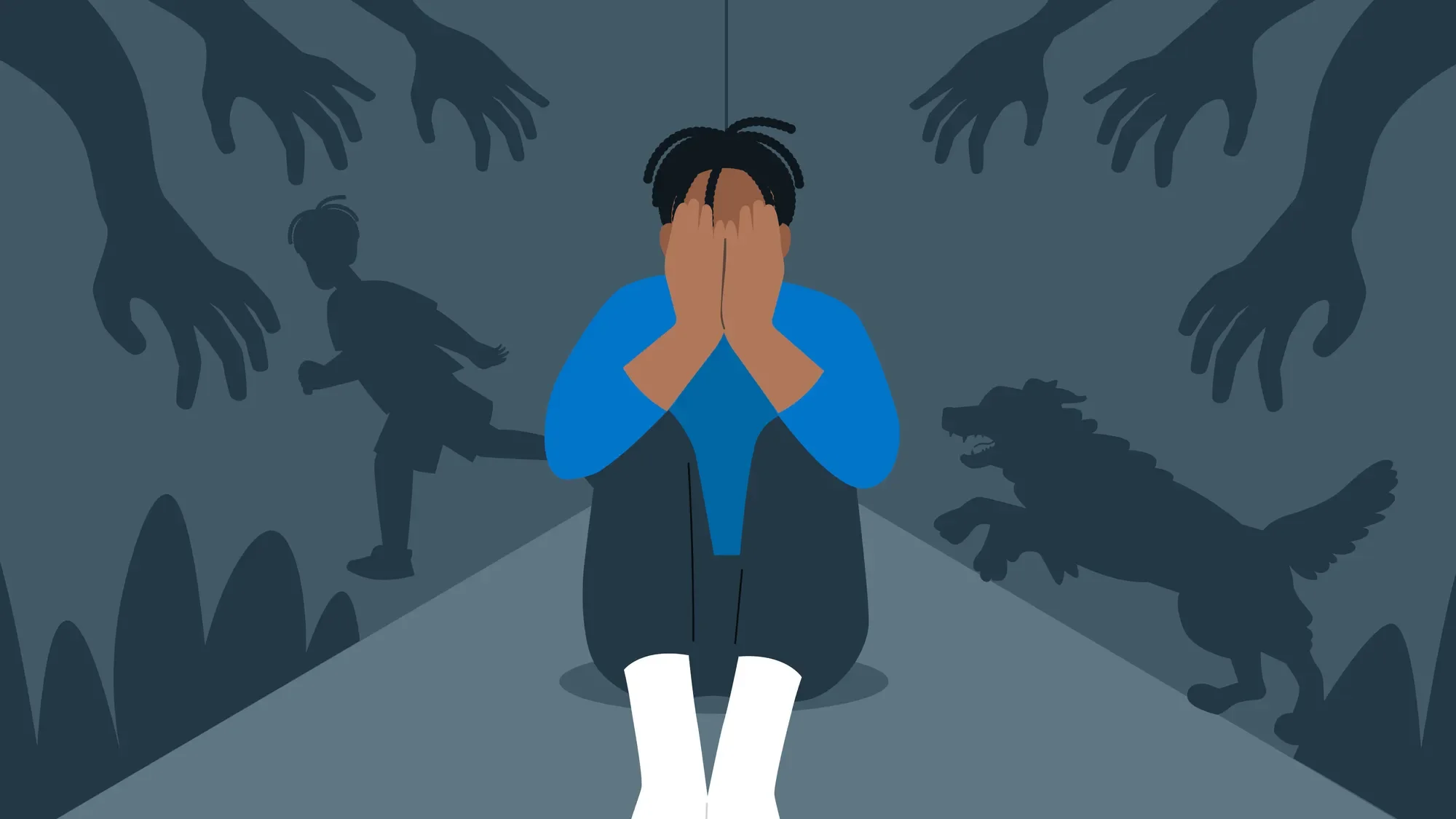
Fight, flight, and freeze are automatic survival responses controlled by the nervous system. When your brain senses danger—whether it’s physical, emotional, or relational—it activates one of these responses to protect you.
Fight prepares you to confront the threat
Flight prepares you to escape the threat
Freeze prepares you to shut down when escape or confrontation isn’t possible
These responses happen quickly, often before you have time to think. And importantly—they can activate even when you are not in real danger, especially if you’ve experienced trauma.
How Do I Know If I’m in Fight Mode?
Fight mode is about protection through confrontation. When you’re in fight, your body is activated and ready to defend itself. It might feel like:
irritability or anger
snapping at others
feeling defensive or easily triggered
a strong urge to argue or push back
tension in your body
feeling “on edge”
Fight mode isn’t about being aggressive—it’s about your system trying to protect you from perceived harm. Sometimes this shows up as standing your ground. Other times, it can feel like reacting more intensely than the situation calls for.
How Do I Know If I’m in Flight Mode?

Flight mode is about protection through escape. When you’re in flight, your system is trying to get away from the discomfort, threat, or feeling. It might look like:
overthinking or racing thoughts
anxiety or restlessness
staying constantly busy
avoiding tasks or conversations
perfectionism or overworking
difficulty slowing down
Flight doesn’t always mean physically leaving. Often, it looks like mental or emotional escape. You might feel like you can’t sit still or relax, even when you want to.
How Do I Know If I’m in Freeze Mode?
Freeze mode is about protection through shutdown. When fight or flight doesn’t feel possible, the nervous system may go into freeze. This can feel like:
numbness or emotional disconnection
difficulty making decisions
feeling stuck or “paralyzed”
low energy or exhaustion
brain fog
zoning out or dissociation
Freeze is often misunderstood as laziness or lack of motivation—but it’s actually a survival response. Your system is trying to conserve energy and protect you from overwhelm.
Can You Experience More Than One Response?

Yes. You might move between fight, flight, and freeze depending on the situation. For example:
You may feel anxious (flight), then shut down (freeze)
You may avoid something (flight), then become irritable (fight)
You may cycle through multiple responses in one day
These responses are flexible and adaptive—but they can feel confusing when they happen frequently.
Why Trauma Makes These Responses Stronger
If you’ve experienced trauma, your nervous system may become more sensitive to perceived threats. This means:
your responses may activate more quickly
your reactions may feel more intense
it may take longer to return to a calm state
Your brain is trying to keep you safe based on past experiences. Even if the current situation is not dangerous, your body may respond as if it is.
How Do You Know When You’re Outside Your Window of Tolerance?
Fight, flight, and freeze responses often happen when you’re outside your window of tolerance. That’s the zone where you feel calm, present, and able to respond thoughtfully. When you leave that window:
fight and flight = hyperarousal (too activated)
freeze = hypoarousal (shutdown)
Recognizing these states is the first step toward regulating them.
How Can You Calm Your Nervous System in the Moment?
The goal isn’t to stop these responses completely—it’s to recognize them and gently return to regulation. Here are a few starting points:
If you’re in fight or flight (activated):
slow your breathing
ground yourself by noticing your surroundings
move your body (walk, stretch)
If you’re in freeze (shutdown):
gently re-engage your body (small movements, temperature changes)
use sensory input (hold something textured, splash cold water)
speak or orient yourself to the present moment
The key is to meet your nervous system where it is—not force it into calm.
How Therapy Can Help You Understand Your Responses
Learning your patterns takes time. Trauma-informed therapy can help you:
identify when you’re in fight, flight, or freeze
understand what triggers each response
build regulation skills that work for your body
expand your window of tolerance
feel more in control of your reactions
At Prospering Minds Counseling, we help individuals understand their nervous system and develop tools to respond—not just react.
You’re Not Overreacting—You’re Responding to Something Your Body Remembers
Fight, flight, and freeze are not personality flaws. They are survival responses. At some point, they helped you.
Now, the work is learning when they’re being activated—and how to gently guide your system back to safety.
You are not broken.
Your nervous system is doing exactly what it learned to do.
And with support, you can learn new ways to respond.
Trauma Therapy in Carol Stream, IL: Support for Your Nervous System
If you’re noticing patterns of fight, flight, or freeze in your daily life, you’re not alone—and you don’t have to navigate it on your own.
Reach out to Prospering Minds Counseling today at intake@prosperingmc.comor call 708-680-7486 to get started.
At Prospering Minds Counseling, we provide trauma-informed therapy for individuals in Carol Stream, Illinois and surrounding areas, helping clients understand their nervous system, reduce anxiety, and feel more in control of their responses.
Our therapists specialize in:
trauma and PTSD treatment
anxiety and emotional regulation
nervous system healing (fight, flight, freeze)
avoidance and shutdown patterns
rebuilding self-trust and safety
We offer both in-person therapy near Carol Stream and virtual sessions across Illinois, making support accessible in a way that fits your life.
If you’re feeling stuck in survival mode, therapy can help you move toward feeling calm, grounded, and present again.
Reach out today to get started with a free consultation.
