
How Trauma Affects Sleep
How Trauma Affects Sleep (And Why Rest Is Essential for Healing)
Carly Wolfram, Licensed Clinical Professional Counselor (LCPC), Doctoral Candidate
If you have experienced trauma, you may have noticed that sleep becomes one of the first things to change.
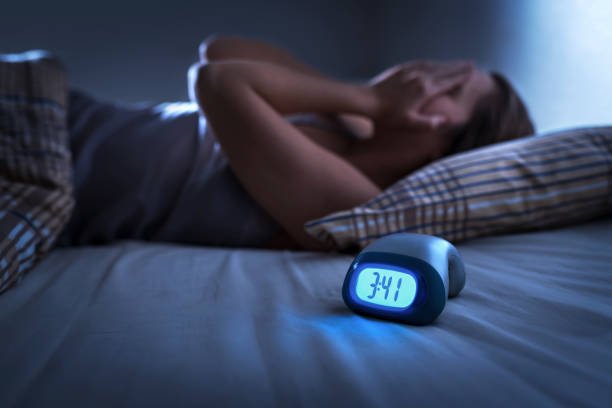
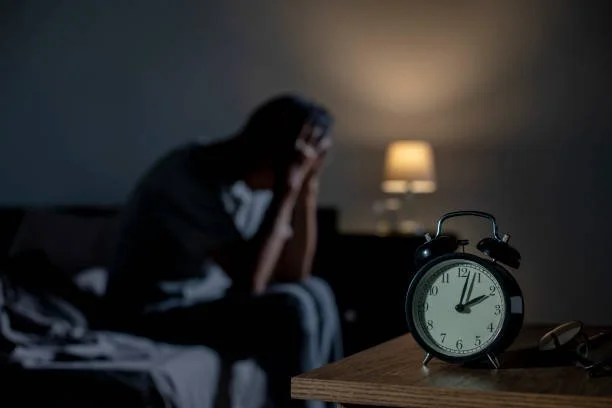
You might struggle to fall asleep. You might wake up in the middle of the night. You may have vivid dreams or nightmares that make it hard to go back to sleep.
Sleep and trauma are deeply connected. In fact, sleep problems are one of the most common symptoms of trauma and PTSD. Many people who have experienced trauma report insomnia, nightmares, restlessness, or feeling exhausted even after a full night in bed.
Understanding how trauma affects sleep can help you make sense of what your body is going through—and why improving sleep is often an important part of healing.
Why Sleep Is So Important for Mental Health
There’s a reason doctors often ask, “How much sleep are you getting?”
Sleep plays a crucial role in both physical and emotional health. It helps regulate mood, process memories, strengthen learning, and restore the body.
Sleep has two key components:
Sleep quantity refers to how many hours you sleep.
Sleep quality refers to how restorative that sleep actually is.
Most adults need about seven to nine hours of sleep each night to function well. However, getting eight hours of restless or interrupted sleep may leave you feeling just as exhausted as sleeping only four hours.
When sleep quality is poor, the brain struggles to regulate emotions, manage stress, and process experiences.
This is especially important when someone is recovering from trauma.
Why Trauma Disrupts Sleep
Trauma affects the brain and nervous system in ways that make sleep more difficult.
After a traumatic experience, the brain may remain in a state of hypervigilance, meaning it is constantly scanning for danger. This heightened alertness makes it difficult for the body to relax enough to fall asleep.
For many people, trauma also affects sleep through symptoms commonly associated with post-traumatic stress disorder (PTSD).
Two of the most common trauma-related sleep problems include:
Nightmares
Trauma-related nightmares can replay aspects of a traumatic event or create symbolic versions of fear and danger. After waking from a nightmare, it may be difficult to fall back asleep. Over time, some people even begin to avoid sleep because they fear the nightmares returning.
Insomnia
Insomnia involves difficulty falling asleep, staying asleep, or waking up too early and being unable to return to sleep. Chronic insomnia can lead to daytime fatigue, irritability, and difficulty concentrating.
When trauma keeps the brain on alert, sleep may feel unsafe or uncomfortable for the body.
How Poor Sleep Can Make Trauma Symptoms Worse
Sleep plays a major role in how the brain processes memories and emotions.
During trauma treatment, the brain is actively working to process difficult experiences and develop healthier ways of responding to stress. Without adequate sleep, that process becomes much harder.
Poor sleep can increase many trauma-related symptoms, including:
emotional reactivity
anxiety
hypervigilance
exaggerated startle responses
irritability
difficulty concentrating
memory problems
avoidance of trauma reminders
Fatigue also makes it harder to cope with triggers or stressful situations throughout the day.
In some cases, the relationship becomes cyclical: trauma symptoms disrupt sleep, and poor sleep intensifies trauma symptoms.
Why Sleep Is Important for Trauma Recovery
Sleep is not just about rest—it is when the brain organizes and processes experiences.
During sleep, the brain helps integrate daily experiences into memory. This includes experiences of safety, which are especially important during trauma recovery.
When someone has experienced trauma, their brain may remain stuck in a state of perceived danger. Healthy sleep allows the brain to store new experiences that reinforce safety and stability.
Without sufficient sleep, this learning process becomes much more difficult.
Sleep is also critical for learning new coping skills. Many trauma treatments teach techniques such as grounding exercises, emotional regulation strategies, and awareness of physical stress responses. These skills are easier to learn and retain when the brain is well rested.
How Daily Habits Can Affect Sleep and Trauma Symptoms
When people feel tired during the day, it’s common to rely on caffeine to stay alert. However, frequent caffeine use—especially later in the day—can worsen sleep problems.
This is particularly common for individuals dealing with trauma-related fatigue. Because trauma symptoms can be ongoing, someone may begin relying on caffeine regularly to stay awake, which can make falling asleep even harder.
Other factors that can affect sleep include stress, screen use before bedtime, irregular sleep schedules, and environmental distractions.
Addressing these patterns can be an important part of improving sleep during trauma recovery.
Ways to Improve Sleep During Trauma Healing
While sleep challenges can feel frustrating, there are steps that can help improve sleep quality.
Some helpful strategies include:
creating a consistent bedtime routine
reducing screen time before sleep
limiting caffeine in the afternoon or evening
practicing relaxation or grounding exercises before bed
making the sleep environment calm, quiet, and comfortable
tracking sleep patterns to identify disruptions
These strategies help signal to the nervous system that it is safe to relax.

When to Seek Support
Sleep difficulties are common after trauma, but persistent sleep disruption can have a significant impact on mental health and daily functioning.
If you are experiencing frequent nightmares, chronic insomnia, or ongoing exhaustion, working with a trauma-informed therapist may help.
Therapy can provide support in processing traumatic experiences, learning nervous system regulation skills, and improving sleep habits that support recovery.
At Prospering Minds Counseling, our clinicians help individuals understand the connection between trauma, sleep, and emotional healing. Therapy can provide a supportive space to explore sleep challenges and develop strategies that promote long-term well-being.
If trauma-related sleep issues are affecting your life, reaching out for support can be an important step toward healing.
